Ever wondered how welding electrodes are made? Electrode making machines are essential in the welding industry. They ensure high-quality electrodes, but face common issues like overheating and wear. In this post, you'll learn how to troubleshoot these problems effectively.
Understanding the Electrode Manufacturing Process
The electrode manufacturing process involves several precise steps to produce high-quality welding electrodes. Each stage plays a critical role in ensuring the electrodes perform well during welding.
Raw Material Preparation
It starts by selecting and weighing raw materials accurately. Common ingredients include iron powder for strength, mineral powders for coatings, and binders like clay or starch. Machines blend these powders uniformly, ensuring consistent quality. The mixed powder is then stored in hoppers, ready for the next step.
Slurry Mixing
Next, the powder mix turns into a slurry by adding water or light oil. An agitator stirs the mixture until it becomes a smooth paste. This slurry must be moist enough to stick to the electrode core but not so wet it drips.
Core Wire Feeding
A thin steel wire acts as the electrode’s core. It is pulled steadily from large coils by rollers that straighten it. Speed controls adjust how fast the wire moves, matching production needs. This steady feed ensures uniform coating application.
Coating Application
The wire passes through a coating station where the slurry is applied. The wire dips into a bath of slurry, and wipe rollers remove excess paste, leaving a smooth layer. Some machines spray the slurry instead, but both methods aim for even coverage without lumps.
Drying and Setting
Freshly coated electrodes are soft and sticky. They move through a drying tunnel where controlled heat and airflow remove moisture. This step sets the coating firmly so electrodes can be handled without damage.
Cutting and Sizing
Once dried, the coated wire is cut into standard electrode lengths, typically 300 to 450 mm. A measuring wheel tracks length, and cutting blades slice cleanly. Accurate sizing ensures electrodes fit welding holders properly.
Secondary Coating
Some electrodes need extra layers for special welding tasks. A second coating adds flux or alloy powders to improve weld quality and arc stability. This finish layer also protects the electrode surface.
Final Drying
After secondary coating, electrodes undergo a brief drying phase. Higher heat quickly firms up the extra layers, followed by cooling to room temperature, making them ready for handling.
Testing and Inspection
Quality checks happen throughout production. Machines measure coating thickness and check electrode straightness. Sample electrodes undergo welding tests to verify arc stability and slag removal. Any batch failing tests is removed for review.
Packaging and Storage
Approved electrodes move to packaging. Automatic weighers count and pack electrodes into boxes or bags. Sealing units keep moisture out, preserving electrode quality during storage and shipping.
Note: Precise control of moisture and temperature during drying stages is vital to prevent coating defects and ensure electrode durability.
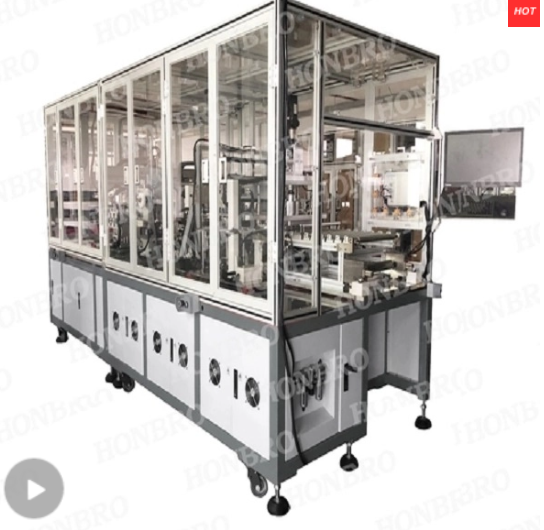
Common Issues in Electrode Making Machines
Electrode making machines face several challenges during operation. Knowing these common problems helps keep production smooth and ensures quality electrodes.
Overheating Problems
Overheating happens when parts get too hot during operation. It can cause the machine components to warp or fail. The electrode wire or coating slurry may also overheat, affecting electrode quality. Causes include poor cooling, excessive speed, or wrong welding parameters. Overheated parts wear out faster and can cause production delays.
Excessive Wear of Components
Certain components, like rollers, cutting blades, and coating applicators, wear down over time. Excessive wear leads to uneven coating, poor cutting, and inconsistent electrode size. Using incompatible materials or running the machine at improper settings accelerates wear. Regular maintenance and choosing durable parts help reduce this issue.
Spatter and Porosity Issues
Spatter means small metal droplets scatter during welding, while porosity refers to tiny holes inside the weld. Both reduce weld strength and appearance. These issues often relate back to electrode quality and machine settings. Problems in coating application or drying can cause uneven coatings, contributing to spatter and porosity during welding.
Electrode Head Misalignment
The electrode head must align perfectly for consistent coating and cutting. Misalignment causes uneven coatings, off-size electrodes, and can damage the machine. It may result from worn parts, improper setup, or mechanical shocks. Regular checks and calibration keep the electrode head aligned and functioning properly.
Troubleshooting Electrode Overheating
Electrode overheating is a common issue in electrode making machines. It can cause damage to machine parts and reduce the quality of electrodes. Understanding the causes and how to fix them helps maintain smooth production.
Causes of Overheating
Several factors can lead to overheating in electrode making machines:
| Poor Cooling System | If the cooling system fails or is inefficient, heat builds up quickly. |
| Excessive Machine Speed | Running the machine too fast generates more friction and heat. |
| Incorrect Welding Parameters | Using wrong current or voltage settings causes extra heat. |
| Inadequate Gas Flow | Insufficient shielding gas flow reduces cooling around the electrode head. |
| Electrode Size Mismatch | Using an electrode head too small for the job can't dissipate heat well. |
Each of these causes increases temperature beyond safe limits, risking warping or damage.
Cooling System Checks
The cooling system is vital in preventing overheating. Regular checks include:
Inspect Coolant Levels: Ensure coolant tanks are full and free of contamination.
Check Coolant Flow: Verify pumps and hoses deliver coolant properly to critical parts.
Clean Cooling Channels: Remove blockages or buildup that restrict coolant flow.
Monitor Temperature Sensors: Confirm sensors work and provide accurate readings.
Examine Gas Flow: Confirm shielding gas flow rate matches machine requirements.
A well-maintained cooling system keeps temperatures stable and parts safe.
Adjusting Welding Parameters
Tweaking welding parameters can reduce overheating risks:
Lower Welding Current: Reduce current to decrease heat generation.
Adjust Voltage Settings: Use voltage recommended for electrode type and size.
Control Welding Speed: Avoid running the machine too fast; balance speed and heat.
Optimize Gas Flow: Increase shielding gas to improve cooling and protect welds.
Use Proper Electrode Size: Match electrode head size to the application.
Making these adjustments prevents excessive heat and improves electrode quality.
Addressing Excessive Wear in Electrode Components
Excessive wear in electrode making machines can cause production issues and reduce electrode quality. Recognizing wear early and taking steps to prevent it keeps machines running smoothly.
Identifying Wear and Tear
Wear appears in parts that contact the electrode wire or coating slurry often. Commonly worn components include:
Rollers: These guide and straighten the electrode wire. Worn rollers cause uneven wire feeding and coating defects.
Cutting Blades: Dull or chipped blades lead to rough or inaccurate cuts.
Coating Applicators: Wear here causes uneven slurry application, resulting in inconsistent electrode coating thickness.
Bearings and Shafts: Excessive wear causes vibration and misalignment.
Signs of wear include unusual noises, inconsistent electrode size, rough edges, or visible damage on parts. Regular visual inspections and monitoring machine performance help spot wear early.
Material Compatibility
Using components made from materials that resist abrasion and corrosion extends machine life. Consider:
Hardened Steel Rollers and Blades: These resist wear better than standard steel.
Ceramic or Tungsten Carbide Coating: Applied on critical parts for extra durability.
Corrosion-Resistant Alloys: Important when working with slurry containing moisture or chemicals.
Matching component materials to the electrode manufacturing environment reduces premature wear.
Maintenance Tips
Proper maintenance slows wear and prevents costly downtime:
Regular Cleaning: Remove slurry buildup on rollers and applicators to avoid abrasive damage.
Lubrication: Keep bearings and moving parts well-lubricated per manufacturer guidelines.
Scheduled Part Replacement: Replace rollers, blades, and applicators before wear affects product quality.
Machine Calibration: Ensure parts align correctly to reduce uneven wear.
Monitor Operating Parameters: Avoid running machines at speeds or settings beyond recommended limits.
Implementing a maintenance schedule with detailed checks and replacements improves machine reliability.
Resolving Spatter and Porosity in Welds
Spatter and porosity are common welding defects that can affect the strength and appearance of welds. Understanding their causes and how to fix them is essential for producing high-quality welds and maintaining electrode making machine performance.
Understanding Spatter Causes
Spatter consists of small metal droplets ejected during welding. It creates a messy work area and can stick to the workpiece, requiring extra cleaning. Common causes of spatter include:
Excessive Welding Current: Too much current causes the arc to become unstable, throwing off metal droplets.
Incorrect Electrode Coating: Uneven or poor-quality coating on electrodes leads to inconsistent arc behavior.
Improper Arc Length: A longer arc increases spatter by making the arc less stable.
Contaminated Base Metal: Dirt, oil, or rust on the base metal can cause spatter by disrupting the arc.
Shielding Gas Issues: Insufficient or contaminated shielding gas fails to protect the weld pool, resulting in spatter.
Porosity Detection and Solutions
Porosity refers to tiny holes or voids inside the weld caused by trapped gas. It weakens the weld and can lead to failure. Detecting porosity early is crucial. Signs include:
Common causes of porosity are:
Moisture in Electrodes or Base Metal: Water vapor turns into gas during welding.
Inadequate Shielding Gas Coverage: Allows atmospheric gases to enter the weld pool.
Improper Welding Technique: Fast travel speeds or incorrect angles trap gases.
Contaminated Welding Environment: Dust or dirt near the weld area.
To reduce porosity:
Store electrodes in dry conditions.
Clean base metals thoroughly before welding.
Use the correct shielding gas and maintain proper flow.
Adjust welding speed and angle for better gas escape.
Improving Weld Quality
Improving weld quality involves addressing both spatter and porosity through machine and process adjustments:
Maintain Electrode Quality: Use electrodes with consistent coating thickness and composition.
Optimize Machine Settings: Set welding current, voltage, and speed according to electrode specifications.
Regular Equipment Maintenance: Clean coating applicators and replace worn parts to ensure even coating application.
Control Environmental Factors: Keep the welding area free of dust, moisture, and contaminants.
Train Operators: Ensure welders use proper techniques and understand machine settings.
By systematically addressing these factors, manufacturers can reduce spatter and porosity, resulting in stronger, cleaner welds and fewer production issues.
Ensuring Proper Electrode Head Alignment
Proper electrode head alignment is crucial for producing quality electrodes and maintaining smooth machine operation. Misalignment can cause uneven coatings, off-size electrodes, and even damage machine parts. Let’s explore how to check, calibrate, and inspect electrode heads to keep them aligned.
Checking for Misalignment
Start by visually inspecting the electrode head during operation. Look for signs such as:
Uneven coating thickness on electrodes
Electrodes that are bent or off-center
Irregular cuts or inconsistent electrode lengths
Unusual noises or vibrations from the electrode head area
Use precision measuring tools like calipers or micrometers to check electrode diameter and straightness. Compare measurements against machine specifications. If electrodes consistently fall outside tolerance, misalignment is likely.
Also, check the alignment of rollers and guides feeding the core wire into the electrode head. Even small deviations here can cause misalignment downstream.
Calibration Techniques
To fix misalignment, machines often have adjustable components. Common calibration steps include:
Adjusting Roller Positions: Rollers that feed the core wire should be parallel and centered. Loosen roller mounts and reposition as needed.
Aligning Coating Applicators: Coating nozzles or rollers must be centered over the electrode wire path. Use alignment tools or laser guides for precision.
Checking Cutting Mechanism: Cutting blades should strike electrodes squarely and at the correct angle. Adjust blade mounts or replace worn blades.
Tightening Fasteners: Loose bolts or mounts can cause parts to shift during operation. Regularly check and tighten all fasteners.
Calibration should follow the machine manufacturer’s guidelines. After adjustments, run a test batch and measure electrode quality to confirm improvements.
Regular Inspection Protocols
Routine inspections prevent misalignment issues from developing. Establish a schedule that includes:
Daily visual checks during production runs
Weekly measurement of electrode dimensions
Monthly detailed inspection of rollers, guides, and coating stations
Immediate checks after any machine maintenance or part replacement
Keep records of inspection results and adjustments. This helps track trends and identify recurring problems early.
Train operators to recognize signs of misalignment and report issues promptly. Proper handling and setup reduce mechanical shocks that can knock parts out of alignment.
Conclusion
This article provides troubleshooting tips for common issues in electrode making machines, including overheating, excessive wear, spatter, and misalignment. Ensuring optimal machine performance involves regular maintenance, proper calibration, and using quality materials. Future trends in electrode making highlight advancements in machine technology for improved efficiency and quality. HONBRO offers innovative electrode manufacturing solutions, emphasizing durability and precision for enhanced production outcomes. Their products deliver significant value by reducing downtime and ensuring consistent electrode quality.
FAQ
Q: What is an Electrode Making Machine?
A: An Electrode Making Machine is a specialized device used to produce welding electrodes through precise processes like coating application and drying.
Q: How can I troubleshoot overheating in an Electrode Making Machine?
A: To troubleshoot overheating, check the cooling system, adjust welding parameters, and ensure proper gas flow and electrode size.
Q: Why is proper head alignment important in an Electrode Making Machine?
A: Proper head alignment ensures even coating and accurate electrode sizing, preventing machine damage and production issues.
Q: What causes excessive wear in Electrode Making Machines?
A: Excessive wear is caused by improper materials, incorrect settings, and lack of maintenance, affecting rollers, blades, and applicators.


