Are you a manufacturer seeking to enhance production efficiency and product quality? Electrode making machines are revolutionizing manufacturing processes. These machines are essential for manufacturers aiming to boost productivity, precision, and cost savings. In this post, you'll learn the top five benefits of electrode making machines, including increased efficiency, enhanced precision, and more.
Increased Production Efficiency
Electrode making machines significantly boost production efficiency for manufacturers. These machines are designed to operate at high speeds, allowing manufacturers to produce electrodes faster than traditional manual methods. High-speed operations mean more electrodes are made in less time, helping meet tight deadlines and large orders without sacrificing quality.
One key advantage is reduced downtime. Modern electrode machines often feature automated systems that minimize the need for frequent stops. For example, automated feeding and coating systems keep the production line moving smoothly, reducing delays caused by manual interventions or machine resets. This continuous operation means manufacturers can maintain a steady workflow, increasing overall output.
Consistent output quality is another crucial factor. High-speed production often risks variability, but advanced electrode machines use precise controls to ensure each electrode meets strict specifications. This consistency reduces waste and rework, saving time and materials. For instance, machines equipped with real-time sensors monitor parameters like coating thickness and wire diameter, ensuring uniformity across batches.
Together, these features create a streamlined production process that maximizes throughput while maintaining product quality. Manufacturers benefit from faster turnaround times, lower operational costs, and the ability to scale production efficiently to meet market demands.
Tip: To maximize production efficiency, regularly maintain automated feeding and coating systems to prevent unexpected downtime during high-speed operations.
Enhanced Precision and Consistency
Electrode making machines today come equipped with advanced control features that significantly improve precision and consistency in manufacturing. These features allow operators to fine-tune parameters such as wire speed, coating thickness, and drying temperature, ensuring every electrode meets exact specifications. This level of control helps manufacturers produce electrodes that perform reliably in demanding welding applications.
Real-time monitoring plays a crucial role in maintaining consistent quality. Sensors embedded in the machinery track critical variables throughout the production process. For example, coating uniformity sensors detect any deviations immediately, allowing for quick adjustments. This continuous feedback loop minimizes errors and ensures each batch of electrodes maintains the same high standard.
Minimizing defects is another key benefit of precision control and monitoring. Defects like uneven coating or improper drying can compromise electrode performance, leading to weld failures or costly rework. By using machines that monitor and adjust processes automatically, manufacturers reduce waste and improve yield rates. This not only saves materials but also enhances customer satisfaction by delivering dependable products.
The integration of software systems enables data logging and analytics, giving manufacturers insights into production trends and potential problem areas. This proactive approach to quality control helps prevent defects before they occur, streamlining operations and boosting overall efficiency.
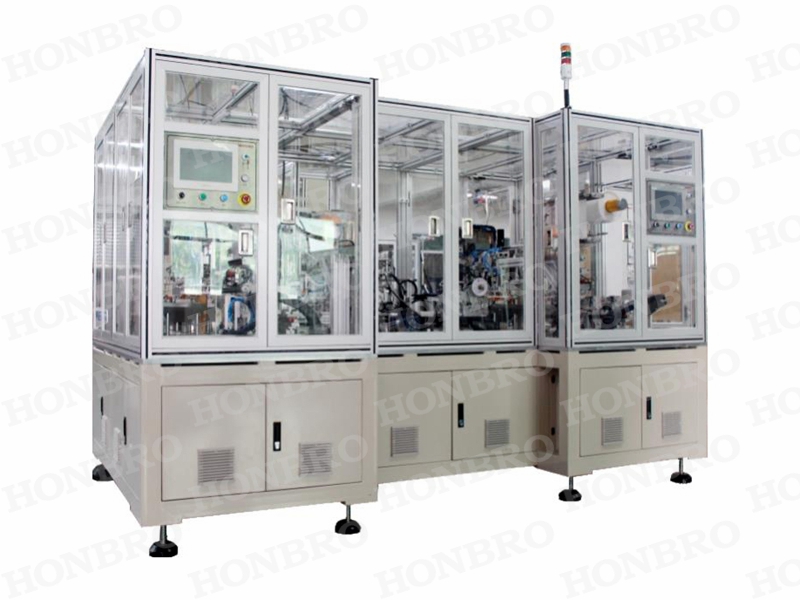
Cost Efficiency and Savings
Investing in electrode making machines offers manufacturers significant cost efficiency and savings over time. While the initial purchase may seem substantial, the long-term benefits far outweigh the upfront investment.
Long-Term Investment Benefits
Electrode making machines are durable assets designed for continuous use. Their advanced technology reduces the need for frequent replacements or upgrades, making them a smart long-term investment. Manufacturers save money by minimizing waste, reducing labor costs, and avoiding costly rework due to inconsistent electrode quality. For example, automated coating and drying systems ensure precise application and curing, which lowers material waste and improves product yield.
Energy Efficiency
Modern electrode machines are built with energy efficiency in mind. They use optimized motors, heaters, and control systems that consume less power compared to older or manual equipment. This efficiency leads to lower electricity bills and a reduced carbon footprint. Energy-efficient drying ovens, for instance, maintain stable temperatures while using minimal energy, ensuring electrodes dry properly without excess consumption. Such improvements contribute to both operational cost savings and environmental sustainability.
Reducing Maintenance Costs
Maintenance can be a significant expense in manufacturing. Electrode making machines designed with robust components and smart diagnostics require less frequent servicing. Predictive maintenance features, often integrated with AI or IoT technology, alert operators to potential issues before they cause breakdowns. This proactive approach prevents costly downtime and extends machine lifespan. Additionally, modular designs make it easier and faster to replace worn parts, saving labor costs and reducing production interruptions.
Together, these factors create a cost-effective manufacturing environment. Manufacturers can produce high-quality electrodes consistently, lower operational expenses, and improve profitability.
Durability and Reliability
Electrode making machines are built tough to handle the demanding conditions of manufacturing environments. Their robust construction ensures they stand up to constant use without frequent breakdowns. Manufacturers rely on this durability to keep production lines running smoothly and avoid costly interruptions.
Robust Construction
These machines often feature heavy-duty frames made from high-grade steel or reinforced alloys. This solid build protects internal components from damage caused by vibrations, impacts, or accidental knocks. The design also includes sturdy housings that shield sensitive electronics against dust and debris, common in industrial settings. Such construction means machines can operate reliably for years, even under heavy workloads.
Handling Harsh Environments
Manufacturing floors can be tough places. Dust, humidity, temperature fluctuations, and exposure to chemicals can wear down equipment quickly. Electrode making machines are engineered to resist these challenges. Sealed components prevent moisture ingress, while corrosion-resistant materials extend lifespan despite exposure to harsh elements. For example, coated circuit boards and stainless steel parts help keep machines functional in challenging conditions.
Prolonged Machine Lifespan
Durability directly translates to longer machine life. A reliable electrode making machine requires fewer repairs and replacements, reducing downtime and maintenance costs. This longevity also means manufacturers get better returns on their investment. High-quality machines maintain performance consistency over time, ensuring product quality remains stable throughout their lifespan.
Moreover, many machines come with modular designs. This allows easy replacement of worn parts without dismantling the entire system, speeding up repairs and minimizing production halts. Predictive maintenance features, often integrated with IoT technology, alert operators about potential issues early, preventing unexpected failures.
Compatibility with Automation
Electrode making machines today are designed to work seamlessly with automation technologies, making them essential for modern manufacturers aiming to boost productivity and stay competitive. Integrating these machines with robotic systems and automated workflows transforms production lines into highly efficient, low-intervention setups.
Integration with Robotics
Modern electrode making machines often come equipped with interfaces and control systems compatible with industrial robots. This integration allows robots to handle tasks such as loading raw materials, removing finished electrodes, or performing quality inspections. For example, a robotic arm can pick electrodes directly from the machine and place them onto conveyors or packaging stations, reducing manual labor and speeding up the process. This combination ensures smooth, continuous production without bottlenecks caused by human limitations.
Facilitating 24/7 Operations
Automation enables electrode manufacturing to run around the clock. Machines integrated with automated systems can operate continuously, with minimal human supervision. Features like automatic wire feeding, coating adjustments, and self-cleaning cycles allow the equipment to maintain consistent output even during night shifts or weekends. This nonstop operation maximizes output and helps manufacturers meet large orders or tight deadlines without needing to increase labor costs significantly.
Future-Proofing Manufacturing
Investing in electrode making machines compatible with automation prepares manufacturers for future industry trends. As smart factories and Industry 4.0 concepts become standard, having equipment that communicates with other machines and central control systems is invaluable. These machines can provide data on production rates, maintenance needs, and quality metrics in real time, enabling predictive maintenance and process optimization. This connectivity ensures manufacturers can adapt quickly to market changes and technological advances without overhauling their entire production line.
| Feature | Description |
| Increased Production Efficiency | Boosts production speeds, reduces downtime, and ensures a consistent output quality, helping meet tight deadlines and large orders. |
| Enhanced Precision and Consistency | Offers advanced control features for fine-tuning wire speed, coating thickness, and drying temperature, ensuring consistent electrode quality. |
| Cost Efficiency | Provides long-term savings by reducing waste, labor costs, and maintenance, while offering energy efficiency and minimal repairs. |
| Durability and Reliability | Built with heavy-duty materials and designed to withstand harsh manufacturing environments, ensuring long-term reliability. |
| Automation Compatibility | Integrates with robotics and automated systems for continuous, low-intervention production, maximizing output and minimizing human involvement. |
| Safety and Ergonomics | Includes safety features like emergency stop buttons, protective guards, and ergonomic controls to ensure a safe and comfortable working environment. |
| Energy Efficiency | Optimized systems to reduce power consumption, leading to lower electricity bills and a reduced carbon footprint. |
| Reduced Maintenance Costs | Predictive maintenance features and modular designs to minimize downtime and reduce overall maintenance costs. |
| Long-Term Investment Benefits | Despite high initial cost, these machines offer significant ROI by reducing operational costs, improving efficiency, and extending machine lifespan. |
| Prolonged Machine Lifespan | Robust construction and modular designs ensure the machine lasts longer, reducing the need for repairs or replacements. |
Safety and Ergonomics
Electrode making machines today prioritize safety and ergonomics, ensuring manufacturers protect their workforce while maintaining productivity. These machines come equipped with built-in safety features designed to prevent accidents and reduce risks associated with electrode production.
Built-in Safety Features
Modern machines include emergency stop buttons, protective guards, and sensors that detect abnormal operations. For example, if the machine senses a jam or overload, it automatically shuts down to prevent damage or injury. Additionally, interlocks prevent access to moving parts during operation, keeping operators safe. These features help manufacturers comply with workplace safety regulations and reduce liability.
Reducing Operator Strain
Ergonomics play a crucial role in machine design. Electrode making machines often feature adjustable controls and user-friendly interfaces that minimize repetitive motions and awkward postures. This reduces operator fatigue and strain, leading to fewer errors and higher job satisfaction. For instance, touchscreens positioned at comfortable heights and intuitive control panels allow operators to manage production easily without unnecessary physical stress.
Ensuring Safe Work Environments
Beyond the machine itself, manufacturers benefit from improved work environments due to quieter operations and reduced emissions. Many modern electrode machines incorporate noise reduction technologies and efficient dust extraction systems, which help maintain air quality and reduce noise pollution. This creates a safer, healthier workplace that supports long-term employee well-being.
By integrating safety and ergonomic considerations, electrode making machines not only protect workers but also contribute to smoother, more efficient production processes.
Conclusion
Electrode making machines offer manufacturers increased production efficiency, enhanced precision, cost savings, durability, and automation compatibility. These benefits ensure consistent quality and lower operational costs. Investing in advanced machinery like those from HONBRO provides value by improving productivity and staying competitive. Embrace these innovations to meet market demands efficiently.
FAQ
Q: What is an Electrode Making Machine?
A: An Electrode Making Machine is specialized equipment designed to automate the production of welding electrodes, enhancing efficiency, precision, and consistency in manufacturing processes.
Q: How does an Electrode Making Machine improve production efficiency?
A: Electrode Making Machines operate at high speeds with automated systems, reducing downtime and ensuring consistent output quality, thus boosting production efficiency and meeting large orders promptly.
Q: Why invest in an Electrode Making Machine?
A: Investing in an Electrode Making Machine offers long-term cost savings, improved product quality, reduced waste, and compatibility with automation, making it a smart investment for manufacturers.
Q: What are the cost benefits of Electrode Making Machines?
A: Electrode Making Machines provide cost efficiency through energy savings, reduced maintenance costs, and minimized material waste, leading to lower operational expenses and increased profitability.
Q: How durable are Electrode Making Machines?
A: Electrode Making Machines are constructed with robust materials to withstand harsh manufacturing environments, ensuring reliability and prolonged lifespan, reducing downtime and maintenance costs.


