In modern battery manufacturing, especially for lithium-ion and other types of rechargeable batteries, the quality of the battery cells plays a pivotal role in the performance, safety, and longevity of the final product. Among the critical steps in manufacturing these batteries, the folding process for pouch batteries is essential. Battery Folding Machines are designed to automate and optimize the folding process of pouch batteries, ensuring that each cell is structured for maximum efficiency and safety.
Pouch batteries, which are widely used in various applications such as electric vehicles (EVs), renewable energy storage, and consumer electronics, require precise folding to maintain uniformity and avoid defects. Battery Folding Machines improve the quality of pouch batteries by ensuring that each fold is uniform, minimizing internal stress and enhancing the battery’s overall safety and performance.
In this article, we will explore how Battery Folding Machines contribute to improving the quality of pouch batteries, focusing on their role in enhancing battery performance, increasing durability, and ensuring safety. We will also delve into the challenges associated with folding and how these machines address them effectively.
1. What is a Battery Folding Machine?
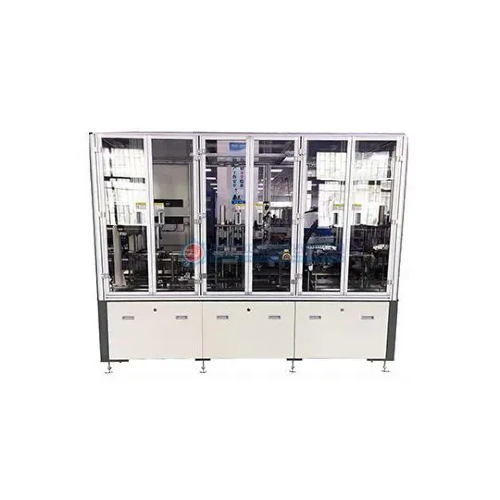
A Battery Folding Machine is an automated device used in the production of pouch-type batteries to fold the battery’s internal components, such as the electrodes, separators, and other materials. This process ensures that the battery is well-structured and aligned before the final assembly and sealing.
Function and Role in Pouch Battery Production
The primary function of a Battery Folding Machine is to precisely fold the battery pouch to ensure the correct alignment of the components within the cell. In pouch batteries, this involves folding the anode, cathode, and separator materials into a specific pattern. Proper folding ensures that the battery's internal structure remains intact and stable, allowing for optimal ion flow and efficient performance.
Automated Folding Process: The machine automates the folding of battery materials, which traditionally would have been done manually. This automation helps achieve precision and consistency, which is vital for large-scale production.
Compatibility with Battery Types: Battery Folding Machines are versatile and can handle different types of pouch batteries, such as lithium-ion and solid-state batteries, and can be customized to accommodate different sizes and configurations.
2. The Role of Folding in Pouch Battery Manufacturing
Folding is a crucial step in the production of pouch batteries. A well-folded pouch helps maintain the structural integrity of the battery and ensures its efficient operation. Below, we explain why folding is essential and how it impacts battery performance.
a. Importance of Folding in Battery Structure
In pouch battery manufacturing, folding is required to bring together various components of the cell, such as the positive and negative electrodes, separators, and electrolyte. This folding process ensures that the components are correctly aligned and tightly packed within the pouch.
The folding process ensures that the battery’s internal structure is stable and that no components are misaligned, which could lead to defects such as internal short circuits. Proper folding also ensures that the battery can handle the stresses and strains it experiences during use, such as temperature fluctuations and mechanical pressure.
b. Impact on Electrode Alignment and Stability
The alignment of electrodes is critical to a battery’s performance. If the electrodes are not correctly aligned, the battery's internal resistance could increase, leading to reduced efficiency, faster degradation, and even failure. Battery Folding Machines ensure that the electrodes are aligned precisely, allowing for consistent performance over the life of the battery.
Effect of Proper Folding | Impact on Battery Performance |
Electrode Alignment | Ensures uniform current flow, reduces internal resistance, and optimizes power output. |
Structural Stability | Prevents misalignment and internal short circuits, ensuring longevity and safety. |
3. How a Battery Folding Machine Enhances Pouch Battery Quality
A Battery Folding Machine contributes to battery quality by automating the folding process, ensuring consistency, reducing mechanical stress, and improving the battery’s overall performance. Below, we delve into the specific ways in which these machines enhance battery quality.
a. Precision and Consistency in Folding
Precision and consistency are key factors in the battery manufacturing process. Battery Folding Machines ensure that each fold is identical across all battery cells, which is crucial for large-scale production where even slight variations in folding can lead to significant differences in battery performance.
Uniformity: The machine ensures uniform folds across all cells, which helps maintain consistent internal structures and performance.
Repeatability: With automation, the machine consistently repeats the same folding process, minimizing human error and ensuring high-quality production.
b. Reduced Mechanical Stress and Damage
Manual folding processes often introduce mechanical stress, wrinkles, or inconsistencies that can lead to damage in the battery components. Battery Folding Machines minimize these risks by applying controlled force during the folding process, reducing the likelihood of damaging delicate battery materials.
Even Force Distribution: The machine ensures that force is evenly applied during the folding, reducing the risk of creases or wrinkles that could affect the battery’s functionality.
Prevention of Material Damage: Accurate folding reduces the potential for material damage, ensuring that the electrodes and separators maintain their integrity.
Folding Benefits | Impact on Battery Quality |
Precision | Enhances consistency, ensuring uniform battery performance. |
Reduced Mechanical Stress | Prevents wrinkles, creases, and material damage, improving reliability and safety. |
c. Improved Sealing and Integrity
Once the pouch is folded, the next step is sealing, which is crucial for preventing electrolyte leakage and ensuring the battery’s airtight conditions. A properly folded pouch makes the sealing process more effective, as it ensures the pouch is neatly aligned for a secure seal.
Airtight Seal: Proper folding allows the sealing machine to create a tighter, more reliable seal, reducing the chances of leaks.
Enhanced Safety: Ensuring a secure fold and seal minimizes the risk of exposure to air or moisture, which could degrade the battery’s performance and safety.
4. Benefits of Using a Battery Folding Machine for Pouch Battery Quality
Using a Battery Folding Machine offers numerous advantages in terms of battery quality, safety, and performance. Below are the key benefits of incorporating this technology into the pouch battery production process.
a. Enhanced Battery Performance
One of the most significant benefits of precise folding is its direct impact on battery performance. Accurate folding ensures that the battery’s internal components are optimally aligned, allowing for efficient ion flow between the electrodes and maximizing energy storage and discharge capabilities.
Improved Energy Density: Proper alignment of electrodes and separators increases the battery’s energy density, leading to higher capacity and longer run times.
Efficient Charge/Discharge Cycles: Well-folded batteries experience more efficient charge/discharge cycles, extending battery life and improving overall performance.
b. Increased Durability and Longevity
The durability and longevity of a pouch battery depend on its internal structure. Accurate folding ensures that the components inside the battery remain stable and are less prone to wear and tear over time.
Reduced Degradation: Proper folding minimizes the risk of degradation, as it prevents internal short circuits and maintains uniform pressure inside the cell.
Longer Life Cycle: Batteries with correctly folded components tend to last longer, offering more charge cycles before performance degradation occurs.
c. Safety Enhancements
Safety is a top priority in battery manufacturing, and the folding process plays a critical role in ensuring that the battery is safe for use. Battery Folding Machines help improve safety by reducing the risk of internal short circuits, leakage, and other safety hazards.
Minimized Risk of Short Circuits: By ensuring that the electrodes are properly aligned and insulated, the folding process prevents accidental short circuits that could lead to overheating or fires.
Improved Leak Prevention: Proper folding helps ensure that the battery is sealed effectively, reducing the likelihood of electrolyte leaks or contamination.
5. Challenges in Folding and How a Battery Folding Machine Addresses Them
Despite the importance of the folding process, there are several challenges that manufacturers face when folding pouch batteries. Battery Folding Machines address these challenges effectively, ensuring higher production quality and efficiency.
a. Common Folding Issues
Some of the most common folding issues include:
Uneven Folding: This can lead to misalignment of the electrodes and separators, which affects battery performance.
Wrinkles and Creases: These defects can weaken the battery’s structure, leading to potential leakage or short circuits.
Misalignment: Improperly aligned folds can lead to poor electrical contact and reduced battery efficiency.
b. How a Battery Folding Machine Solves These Problems
Battery Folding Machines use automated precision to ensure that each fold is uniform and consistent, addressing these common issues effectively:
Uniform Folding: The machine guarantees that every battery undergoes the same folding process, eliminating inconsistencies.
Eliminating Wrinkles: The machine’s controlled folding mechanism prevents wrinkles and creases that can compromise the battery’s structural integrity.
6. Maintenance and Best Practices for Battery Folding Machines
To ensure that Battery Folding Machines operate at peak performance, regular maintenance and calibration are essential.
a. Regular Calibration
Calibration ensures that the machine maintains its precision over time. By regularly calibrating the folding mechanism, manufacturers can ensure consistent folding and avoid defects caused by machine drift.
b. Preventive Maintenance
Routine maintenance includes checking for wear and tear, lubricating moving parts, and ensuring that all components are functioning properly. Preventive care reduces the risk of machine failure and ensures consistent quality in the folding process.
c. Real-Time Monitoring
Monitoring the performance of the folding machine in real-time allows operators to detect any anomalies or variations early, enabling quick adjustments to maintain precision.
7. Conclusion
The Battery Folding Machine is vital for improving pouch battery quality by ensuring precision in the folding process. By enhancing battery performance, increasing durability, and boosting safety, these machines are indispensable in modern battery production. With automation and precision, Battery Folding Machines enable manufacturers to achieve consistent, high-quality batteries that meet the evolving demands of industries such as electric vehicles, renewable energy storage, and consumer electronics.
At HONBRO, we specialize in providing cutting-edge Battery Folding Machines designed to optimize your production process. Our machines ensure that every battery is manufactured to the highest standards, improving overall performance and safety while minimizing defects. We understand the importance of precision and efficiency in battery production and offer tailored solutions to meet your specific needs.
If you're looking to enhance your battery production line and ensure top-notch quality, we invite you to reach out to us. Our team is ready to provide expert guidance and support, helping you achieve optimal results in your manufacturing process. Let's work together to take your battery production to the next level.
8. FAQ
How does a Battery Folding Machine improve pouch battery performance?
It ensures that the electrodes and separators are aligned correctly, improving ion flow and energy storage, which enhances overall battery performance.
What problems can arise from improper folding in pouch battery production?
Improper folding can lead to misaligned electrodes, short circuits, and leakage, which reduce battery performance and safety.
Why is consistency in the folding process important for battery quality?
Consistent folding ensures uniform internal structure across all cells, preventing defects and ensuring reliable battery performance over its lifespan.
What maintenance is required for a Battery Folding Machine?
Regular calibration, lubrication, and inspection are necessary to maintain machine precision and ensure consistent folding quality throughout production.


