In modern battery manufacturing, the electrolyte filling process is critical to the performance, safety, and longevity of the battery. Whether for electric vehicles, renewable energy storage, or consumer electronics, a well-executed electrolyte filling ensures that batteries can operate efficiently and safely over their entire lifespan. The Battery Electrolyte Filling Machine plays a pivotal role in this process, providing the precision required for consistent results. This article delves into the reasons why precision in electrolyte filling is so important and how Battery Electrolyte Filling Machines contribute to achieving high-quality, reliable batteries.
1. Understanding Electrolyte Filling in Battery Production
Before diving into why precision is essential, it's crucial to understand what electrolyte filling is and how it fits into the overall battery production process.
What is Electrolyte in Battery Manufacturing?
The electrolyte is the medium through which ions flow between the anode and cathode during a battery’s charge and discharge cycles. In lithium-ion batteries, for example, the electrolyte is usually a lithium salt dissolved in a solvent. Its primary role is to facilitate the movement of ions between electrodes, allowing the battery to store and release energy.
The Electrolyte Filling Process
Electrolyte filling is the process of injecting the electrolyte solution into battery cells. It is typically performed after the electrodes, separator, and other components are assembled. The precision with which the electrolyte is filled impacts how well the battery functions and how long it lasts.
Electrolyte filling is not just about filling the battery with liquid—it’s about ensuring that the right amount of liquid is used, and that it is evenly distributed throughout the battery cell. Inconsistent electrolyte filling can lead to performance issues, safety risks, and reduced lifespan.
2. Why Precision is Crucial in Electrolyte Filling
Precision in electrolyte filling is not merely about accuracy—it is about ensuring that the battery operates as intended across its entire lifecycle. Below, we break down the importance of precision in electrolyte filling:
a. Impact on Battery Performance
The performance of a battery is directly tied to the amount of electrolyte present in the cell. Too little electrolyte can result in inadequate ion flow, reducing the battery’s capacity and efficiency. On the other hand, overfilling can cause excess electrolyte, which can lead to leakage, contamination, or internal short-circuiting.
How Precision Affects Performance
Underfilling: When the electrolyte level is too low, the battery may not have enough ionic conductivity, causing poor performance, reduced energy storage, and shorter runtime.
Overfilling: Excess electrolyte can cause overflow, leaking, and even chemical reactions that reduce the battery’s overall performance.
Issue | Impact on Battery Performance |
Underfilling | Reduced capacity, shorter runtime, and overall inefficiency. |
Overfilling | Leakage, internal short-circuiting, and risk of battery failure. |
b. Battery Safety Concerns
Inaccurate electrolyte filling not only affects performance but also poses significant safety risks. Both underfilling and overfilling can lead to hazardous conditions.
Overfilling: If the electrolyte overflows or if too much electrolyte is injected, it can lead to leakage, which could cause electrical short-circuits or even fires in extreme cases. Excessive electrolyte can also cause swelling of the battery, putting pressure on the casing and potentially leading to rupture.
Underfilling: Insufficient electrolyte could result in a lack of adequate chemical reactions during the charge and discharge cycles, leading to overheating, cell degradation, and potential failures.
c. Longevity and Durability of the Battery
The longevity of a battery is directly affected by the precision of electrolyte filling. Batteries that are filled with precise amounts of electrolyte last longer and perform better over time.
Even Distribution of Electrolyte: Properly filled electrolyte ensures that there is even distribution within the cell, allowing the ions to move freely between electrodes. This even distribution prevents degradation and enhances the battery’s durability.
Proper Chemical Balance: Accurate filling helps maintain the chemical stability of the battery. Overfilled or underfilled electrolyte can lead to uneven chemical reactions, which can accelerate the wear and tear of battery components.
Impact | Effect on Battery Longevity |
Even Electrolyte Distribution | Prevents degradation, ensuring longer life. |
Overfilling/Underfilling | Accelerates wear and tear, reducing lifespan. |
3. The Role of Battery Electrolyte Filling Machines in Achieving Precision
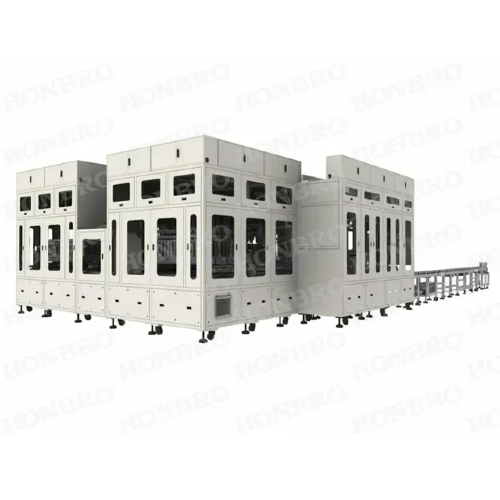
The Battery Electrolyte Filling Machine is a vital component in ensuring the precision required for electrolyte filling. These machines are designed to provide consistent and accurate filling with minimal variation. Below are some key features of these machines that contribute to their precision:
a. Flow Rate Control
One of the critical functions of the Battery Electrolyte Filling Machine is controlling the flow rate of the electrolyte. This feature ensures that the electrolyte flows into each battery cell at a consistent rate, reducing the risk of overfilling or underfilling.
Constant Flow Rate: The machine maintains a constant flow of electrolyte, ensuring that each cell is filled evenly and accurately, even at high production speeds.
b. Volume Measurement
Battery electrolyte filling machines are equipped with automated volume measurement systems to ensure that the exact amount of electrolyte is dispensed into each cell.
Automated Measurement Systems: These systems measure and adjust the volume of electrolyte dispensed into each cell, ensuring that no cell is underfilled or overfilled. This helps maintain consistency across large batches.
c. Temperature Control
Electrolyte filling machines also control the temperature of the electrolyte to prevent chemical imbalances. Temperature variations can affect the viscosity and behavior of the electrolyte, leading to inaccurate filling and inconsistent results.
Regulated Temperature: Maintaining an optimal temperature for the electrolyte ensures that it behaves predictably during the filling process, reducing the risk of overflow or uneven filling.
Feature | Contribution to Precision |
Flow Rate Control | Ensures consistent flow into each cell. |
Volume Measurement | Provides accurate dispensing of electrolyte. |
Temperature Control | Maintains optimal conditions for uniform filling. |
d. Automation and Control Systems
Automation is a significant contributor to the precision of electrolyte filling. Modern Battery Electrolyte Filling Machines come equipped with control systems that monitor the process in real-time, adjusting the flow rate, volume, and temperature as needed.
Real-Time Monitoring: Sensors continuously monitor electrolyte levels and adjust settings to ensure the desired precision.
Error Detection: If the system detects a deviation from the set parameters, it automatically adjusts the filling process to maintain accuracy.
4. The Consequences of Inaccurate Electrolyte Filling
Inaccurate electrolyte filling can have serious implications for both battery performance and safety. Below are the potential negative impacts of poor electrolyte filling precision:
a. Reduced Battery Performance
If the electrolyte is not filled precisely, the battery will not perform optimally. Underfilled batteries will have reduced capacity and shorter runtimes, while overfilled batteries may suffer from leakage and potential short-circuiting.
b. Safety Risks
Improper electrolyte filling can lead to catastrophic safety issues such as:
Leaks: Overfilling or inaccurate filling can cause electrolyte leakage, increasing the risk of fires or short circuits.
Battery Swelling: Excess electrolyte can cause internal swelling, leading to pressure on the battery casing, which may eventually cause rupture or explosion.
c. Decreased Battery Lifespan
Incorrect electrolyte levels can result in faster degradation of the battery components, leading to a shorter lifespan. Batteries that are properly filled with the right amount of electrolyte last longer and maintain better performance over time.
5. Benefits of Using High-Precision Electrolyte Filling Machines
Using a Battery Electrolyte Filling Machine designed for high precision provides several key benefits to manufacturers:
a. Improved Battery Performance
High-precision electrolyte filling ensures that each battery is filled accurately, contributing to better energy storage and longer runtimes. This precision helps maintain high battery performance across many charge cycles.
b. Enhanced Safety
By ensuring the proper amount of electrolyte is filled, these machines reduce the risk of leaks and internal short circuits, which could otherwise lead to hazardous conditions.
c. Consistent Quality
Automated machines provide consistent results across all production batches, ensuring that each battery meets the same high-quality standards.
d. Increased Production Efficiency
With automated and high-precision filling, manufacturers can increase production speeds while maintaining accuracy, allowing them to produce more batteries in less time.
6. Best Practices for Optimizing Electrolyte Filling Precision
To ensure continued accuracy in the electrolyte filling process, manufacturers should follow these best practices:
a. Regular Calibration of Filling Machines
To maintain the precision of Battery Electrolyte Filling Machines, regular calibration is essential. This ensures that all components—flow rate controllers, volume measurement systems, and temperature sensors—are functioning as expected.
b. Preventive Maintenance
Regular maintenance of the machines helps prevent mechanical failure and ensures that all parts are working optimally. This includes cleaning, inspecting, and replacing worn-out components to prevent deviations in filling precision.
c. Real-Time Monitoring and Adjustments
Continuous monitoring of electrolyte filling parameters allows manufacturers to make real-time adjustments to ensure consistency. By using automated control systems, manufacturers can quickly detect and correct any irregularities in the filling process.
7. Conclusion
Precision in electrolyte filling is essential for ensuring the performance, safety, and longevity of batteries. The Battery Electrolyte Filling Machine plays a crucial role in achieving this precision by incorporating advanced features such as flow rate control, volume measurement, and temperature regulation. These capabilities enable manufacturers to produce high-quality, reliable batteries with consistent performance.
At HONBRO, we understand the importance of precision in every stage of the battery production process. Our Battery Electrolyte Filling Machines are designed to deliver optimal results, improving battery performance, enhancing safety, and boosting production efficiency. With our cutting-edge technology and expertise, we help manufacturers streamline their operations while maintaining the highest standards of quality.
If you're looking to enhance your electrolyte filling process and achieve better consistency in your battery production, we invite you to connect with us. Our team is ready to provide you with tailored solutions that meet your specific needs, ensuring the long-term success of your battery manufacturing operations. Let’s work together to improve your production efficiency and battery quality.
8. FAQ
Why is precision important when filling the electrolyte in a battery?
Precision ensures that the correct amount of electrolyte is used, which directly affects battery performance, safety, and longevity. Incorrect filling can lead to performance issues, leaks, or even battery failure.
What are the risks of overfilling or underfilling the electrolyte?
Overfilling can cause leakage, internal short circuits, or swelling of the battery, while underfilling reduces the battery’s capacity and energy storage, leading to inefficiency and shorter runtimes.
How does a Battery Electrolyte Filling Machine ensure precision?
These machines use automated control systems to regulate the flow rate, volume, and temperature of the electrolyte, ensuring that each battery cell is filled accurately.
What maintenance is required for a Battery Electrolyte Filling Machine?
Regular calibration, cleaning, and inspection are required to maintain the machine’s precision. Preventive maintenance helps avoid mechanical failures and ensures consistent filling accuracy.


