Introduction
Electrode-making machines are pivotal in the production of electrodes for various types of batteries. While their most well-known application is in the manufacturing of lithium-ion batteries, the scope of these machines extends far beyond that. As industries continue to innovate and diversify their energy storage solutions, electrode-making machines are being adapted for use in a variety of applications. This article explores whether electrode-making machines are exclusively used for lithium-ion batteries or if their applications span multiple industries and energy solutions.
Understanding Electrode-Making Machines
What Is an Electrode-Making Machine?
An electrode-making machine is a specialized piece of equipment designed to fabricate electrodes for batteries. These machines perform crucial tasks such as coating electrode materials, cutting and shaping them, and sometimes even drying and stacking them, depending on the specific battery type and design. The electrodes produced are essential for the function of batteries, as they facilitate the flow of electric charge during the charge and discharge cycles.
Primary Applications of Electrode-Making Machines
Typically, electrode-making machines are associated with the production of lithium-ion batteries, but they are not limited to this alone. These machines are integral in many battery manufacturing processes, including those used in electric vehicles (EVs), consumer electronics, renewable energy storage, and even some industrial applications.
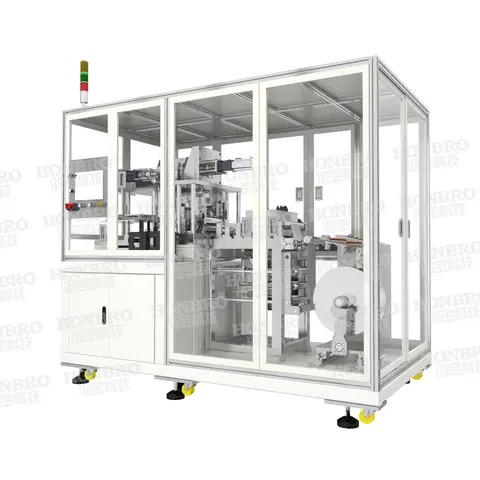
Lithium-Ion Batteries and Their Need for Electrode-Making Machines
Why Are Electrode-Making Machines Essential for Lithium-Ion Batteries?
Lithium-ion batteries are among the most commonly used rechargeable batteries due to their high energy density, long cycle life, and relatively low self-discharge rates. The electrode-making machine plays a critical role in their production by ensuring that the electrodes are produced with the correct thickness, uniformity, and composition for optimal performance.
The process of manufacturing these electrodes involves the application of an active material (like lithium cobalt oxide or lithium iron phosphate) onto a metal foil, which is then dried, compressed, and sometimes subjected to a series of other treatments to enhance conductivity and stability.
Key Components of Lithium-Ion Battery Electrodes
Electrodes in lithium-ion batteries consist of two main components:
Anode: Typically made from graphite, the anode stores lithium ions during the discharge phase.
Cathode: Made from lithium compounds, the cathode releases lithium ions during the discharge cycle.
Both components must be precisely made to ensure the battery operates efficiently, which is where electrode-making machines come into play.
Beyond Lithium-Ion Batteries: Other Uses of Electrode-Making Machines
Electrode-Making Machines in Other Battery Types
While lithium-ion batteries dominate the market, electrode-making machines are used in the production of other types of batteries as well. Some of these include:
Solid-State Batteries: Solid-state technology is an emerging field in battery manufacturing, where solid electrolytes replace the liquid or gel electrolytes found in lithium-ion batteries. These batteries offer higher energy densities and safety, and electrode-making machines are used to process the solid materials into thin, efficient electrodes.
Sodium-Ion Batteries: Sodium-ion batteries are considered a potential alternative to lithium-ion technology, particularly because sodium is more abundant and less expensive than lithium. The electrode-making machine is used to handle sodium-based materials, such as sodium cobalt oxide, for the cathode.
Supercapacitors: Used in energy storage applications where quick charge and discharge cycles are needed, supercapacitors rely on electrodes made of materials like activated carbon. Electrode-making machines ensure that these electrodes meet the required specifications for performance.
Electrode-Making Machines in Non-Battery Applications
Electrode-making machines are also used in various non-battery applications, including:
Fuel Cells: In fuel cell technology, electrodes made from materials such as platinum or palladium facilitate the electrochemical reaction that generates electricity. Electrode-making machines play a vital role in producing these high-precision components.
Electrochemical Sensors: Many sensors that detect gases, chemicals, or biological agents use electrodes to detect electrical changes in response to environmental stimuli. Electrode-making machines are used to create highly sensitive electrodes for these devices.
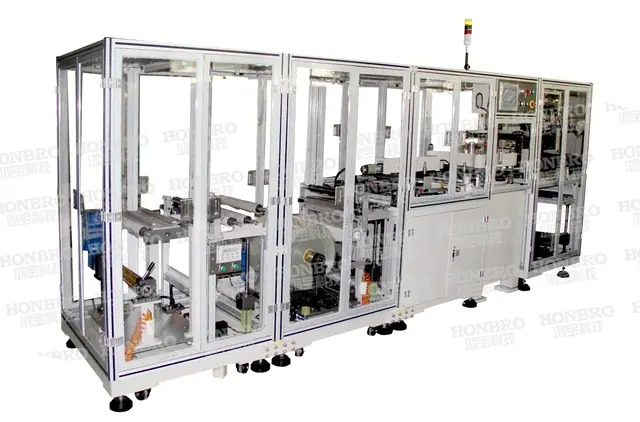
Technological Advancements in Electrode-Making Machines
Innovations Expanding the Role of Electrode-Making Machines
Recent advancements in electrode-making machines have led to improvements in speed, efficiency, and customization, allowing them to serve a wider range of industries and applications. Automated systems, for instance, can now create electrodes with extreme precision, reducing waste and ensuring higher-quality production. Some electrode-making machines are even capable of handling multiple materials and processes in one unit, providing versatility for manufacturers working across different types of energy storage solutions.
The Future of Electrode-Making Technology
The future of electrode-making machines is likely to be shaped by the evolving demands for greener and more efficient energy storage solutions. As industries explore alternatives like solid-state batteries, sodium-ion batteries, and other novel energy storage technologies, the role of these machines will expand. Additionally, improvements in automation, artificial intelligence, and machine learning will likely lead to smarter machines capable of self-adjusting to optimize production parameters and reduce human error.
Conclusion
While electrode-making machines are most commonly associated with the production of lithium-ion batteries, their applications extend far beyond this technology. These machines play an essential role in the development of various types of batteries, including sodium-ion and solid-state batteries, as well as in non-battery applications such as fuel cells and electrochemical sensors. As technology advances, the capabilities of electrode-making machines will continue to expand, driving innovation in the energy storage industry and beyond.
FAQ
1. Can electrode-making machines be used for other types of batteries besides lithium-ion?
Yes, electrode-making machines can be adapted for use in the production of electrodes for sodium-ion batteries, solid-state batteries, supercapacitors, and even fuel cells, among other applications.
2. What materials are used in electrode-making machines for lithium-ion batteries?
For lithium-ion batteries, the anodes are typically made of graphite, while the cathodes are made from lithium-based materials such as lithium cobalt oxide or lithium iron phosphate.
3. Are electrode-making machines capable of handling different materials for electrodes?
Yes, many modern electrode-making machines are versatile and can handle a variety of materials, including graphite, lithium compounds, sodium compounds, and even materials for supercapacitors and fuel cells.
4. How does automation affect the electrode-making process?
Automation in electrode-making machines allows for greater precision, faster production speeds, and reduced waste. It also enables more consistent quality control, which is crucial for industries that demand high-performance batteries.
5. Will electrode-making machines evolve with the introduction of new battery technologies?
Absolutely. As new battery technologies, such as solid-state and sodium-ion batteries, gain popularity, electrode-making machines are likely to evolve to accommodate the unique requirements of these emerging technologies.


