Introduction
Electrodes are essential components in various industries, from batteries to electrochemical cells and welding. Understanding the process of electrode manufacturing is vital for ensuring high-performance products. The journey of creating an electrode involves sophisticated technology, precision, and the right materials. In this article, we will delve deep into how electrodes are made, focusing on the critical role of Electrode Making Machines in modern production processes.
The Basics of Electrode Manufacturing
Understanding Electrode Components
An electrode is a conductor through which current enters or leaves a medium (such as a battery or electrochemical cell). To create electrodes, manufacturers rely on specific materials and methods that ensure they perform their intended function effectively. The key components involved in electrode creation include conductive materials, binders, and sometimes a coating to ensure optimal electrical conductivity and longevity.
Conductive Materials: Typically made from materials such as graphite, copper, or a combination of metal alloys, these materials facilitate the flow of electric current.
Binders: Binders like polyvinylidene fluoride (PVDF) are used to hold the materials together while maintaining structural integrity.
Coatings: For certain types of electrodes, coatings are added to improve their surface properties, enhancing conductivity or protecting against environmental factors.
Key Materials Used in Electrode Production
The selection of materials plays a crucial role in the final performance of the electrode. For example, in the production of lithium-ion battery electrodes, graphite is often used for the anode due to its excellent conductivity and stability. Meanwhile, the cathodes may use compounds such as lithium cobalt oxide (LiCoO2).
The precise blend of these materials determines the electrical efficiency, lifespan, and thermal stability of the final electrode.
The Role of Electrode Making Machines
Types of Electrode Making Machines
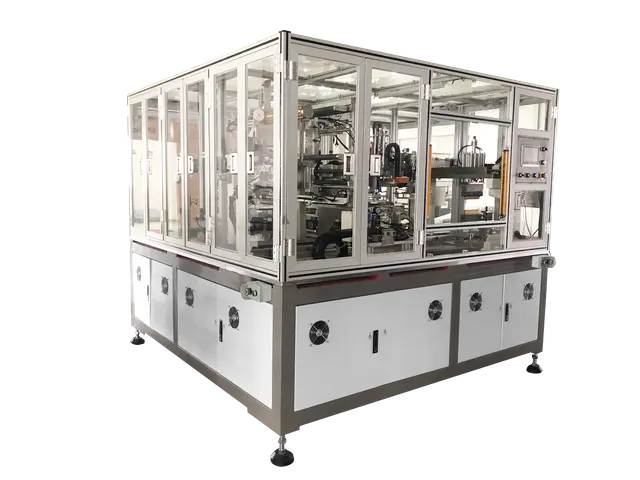
In modern electrode manufacturing, machinery plays a pivotal role in streamlining production. There are several types of Electrode Making Machines, each designed for different stages of the electrode creation process. Some common machines include:
Mixing Machines: These machines are used to blend raw materials, ensuring the proper ratio of active materials, binders, and solvents.
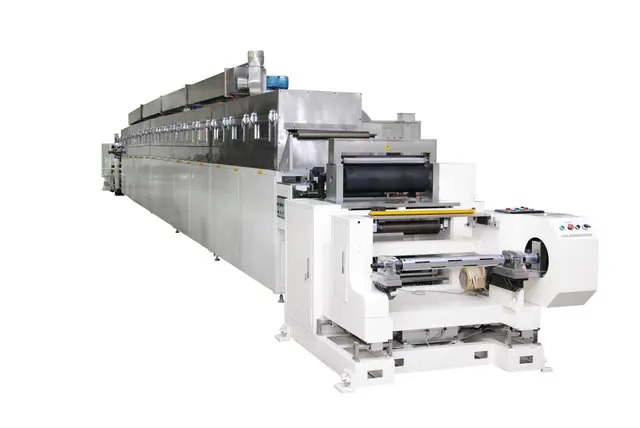
Coating Machines: These machines apply a uniform coating to the electrode material, which is essential for creating high-performance electrodes.
Cutting Machines: After the electrode materials are formed, cutting machines ensure that they are shaped and sized accurately.
Each machine is optimized for specific tasks, ensuring high-quality, precise, and consistent output throughout the manufacturing process.
How Electrode Making Machines Improve Production Efficiency
Electrode Making Machines are designed to increase production speed while maintaining high standards of quality. The automation offered by these machines helps to minimize human error, reduce waste, and improve overall manufacturing efficiency.
By using automated mixing, coating, and cutting machines, manufacturers can create electrodes at a much faster pace, reducing the overall time and cost involved in production. Additionally, the precision of these machines ensures that each electrode meets the required specifications, further enhancing the product's performance.
The Step-by-Step Process of Electrode Manufacturing
Initial Material Preparation
The first step in the electrode manufacturing process is the preparation of materials. This involves sourcing high-quality raw materials and ensuring they meet the required standards for purity and consistency. Materials like graphite, metals, and polymers are typically sourced from trusted suppliers, and then tested for quality before use.
Once the materials are obtained, they are processed into fine powders or pastes. For example, graphite powder may be mixed with binders and solvents to form a slurry or paste, which will later be applied to the electrode surface.
Mixing and Molding
After material preparation, the next step involves mixing the materials into a uniform slurry. This mixture is crucial for ensuring that the final electrode has consistent conductivity and mechanical properties. Electrode Making Machines, specifically the mixing machines, play a key role in this stage, ensuring the correct ratio of materials.
In some cases, the slurry is applied directly to a substrate (such as a metal foil) through a process called slurry coating. This is typically done using an Electrode Coating Machine, which applies a thin, even layer of the slurry onto the foil.
Once the slurry is applied, it is allowed to dry before moving on to the next stage of production.
Cutting and Shaping
The dried electrode material is then cut into specific shapes and sizes depending on the intended application. Cutting machines are used to ensure that the electrodes are precisely shaped, whether they are for batteries, fuel cells, or other devices. These machines also help with the creation of electrode sheets or strips, which are then further processed into usable electrode components.
At this stage, the electrodes may also undergo additional shaping processes such as pressing, rolling, or compacting to further enhance their mechanical properties.
Final Inspection and Quality Control
Before the electrodes are packaged and shipped for use, they undergo a rigorous quality control process. This involves inspecting the electrodes for defects, inconsistencies in size or shape, and ensuring that they meet performance specifications.
Machines equipped with high-precision sensors and imaging technology are used to identify any imperfections in the electrodes. Any defective electrodes are removed from the batch, ensuring that only high-quality products are delivered to customers.
Electrode Making Machines: Innovation in Efficiency
Automation in Electrode Production
Electrode production has benefited significantly from automation. Modern Electrode Making Machines incorporate advanced technologies, including robotics, sensors, and AI-driven quality control systems, to increase manufacturing efficiency and precision. These machines can operate 24/7, allowing manufacturers to scale up production while reducing the need for manual labor.
The automated nature of these machines also allows for a more consistent product output, reducing variability in electrode quality. As automation continues to evolve, electrode manufacturing will become even more efficient and cost-effective.
Benefits of Using an Electrode Making Machine
There are several advantages to using an Electrode Making Machine in the production process. These include:
Increased Production Speed: Automated machines can work faster than manual methods, allowing for higher throughput.
Consistency: Automated machines ensure that each electrode meets strict quality standards, reducing the risk of defects.
Cost Efficiency: While initial investments in Electrode Making Machines can be high, the long-term savings in labor and material costs are significant.
Common Challenges in Electrode Production
Material Consistency Issues
One of the most common challenges in electrode manufacturing is ensuring material consistency. Variations in the raw materials or the mixing process can lead to uneven electrode performance, affecting their efficiency and lifespan. To address this, manufacturers use advanced material testing techniques to ensure consistency at each stage of production.
Machine Calibration and Maintenance
Like any industrial equipment, Electrode Making Machines require regular maintenance and calibration to ensure optimal performance. Regular checks and upgrades are necessary to avoid equipment malfunctions and ensure that production runs smoothly.
Electrode Applications and Their Impact
Industrial and Technological Uses
Electrodes are widely used in various industrial applications, including energy storage (batteries), electroplating, and welding. As industries like electric vehicles (EVs) and renewable energy continue to grow, the demand for high-quality electrodes will only increase. Understanding the manufacturing process behind these electrodes helps to ensure they meet the evolving needs of these industries.
The Future of Electrode Manufacturing
As technological advancements continue, electrode production is likely to become even more efficient, environmentally friendly, and cost-effective. Innovations such as 3D printing, new materials, and advanced AI-driven quality control will continue to shape the future of electrode manufacturing.
Conclusion
The process of making an electrode is complex and requires precise materials, machinery, and manufacturing steps. Electrode Making Machines play a central role in improving the efficiency, consistency, and quality of electrodes, making them indispensable to the modern production process. As industries evolve and new technologies emerge, electrode manufacturing will continue to advance, driven by automation and innovation.
FAQ
Q1: What materials are commonly used to make electrodes?
A1: Common materials for electrode production include graphite, copper, aluminum, and metal alloys, with binders like polyvinylidene fluoride (PVDF) to hold the materials together.
Q2: What is the role of an Electrode Making Machine in the manufacturing process?
A2: Electrode Making Machines automate several stages of the production process, including mixing, coating, cutting, and quality control, which increases speed, consistency, and precision.
Q3: How does automation improve electrode production?
A3: Automation improves electrode production by increasing production speed, reducing errors, lowering labor costs, and ensuring consistent product quality.
Q4: Can Electrode Making Machines be used for different types of electrodes?
A4: Yes, Electrode Making Machines are versatile and can be adapted to produce electrodes for a variety of applications, including batteries, fuel cells, and electrochemical cells.


