Battery tab welding plays a crucial role in the manufacturing of batteries, particularly for applications such as electric vehicles (EVs), energy storage systems, and portable devices. A high-quality weld ensures the performance, durability, and safety of the battery. The welding process involves attaching tabs to the battery cells to allow for electrical connections. Inconsistent welds can lead to failures, causing the battery to underperform or even fail, which could be disastrous.
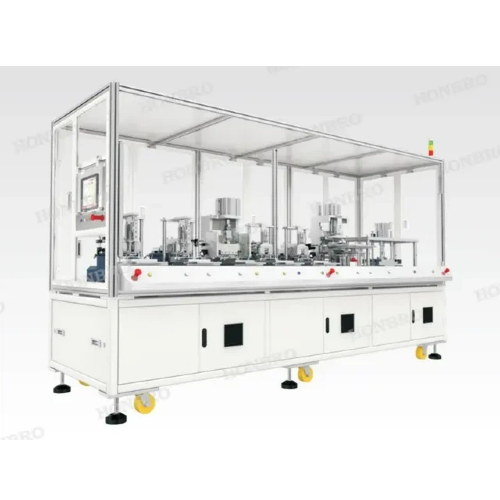
To achieve consistent and reliable welds, manufacturers must invest in the right equipment and pay close attention to critical factors like machine settings, material properties, and maintenance. The Battery Tab Welding Machine is at the heart of this process, helping to achieve precision in every weld. In this article, we will explore the key factors affecting weld consistency, the settings you should focus on, and best practices for ensuring high-quality results in your battery tab welding operations.
1. Understanding Battery Tab Welding
Battery tab welding refers to the process of joining metal tabs (typically copper or aluminum) to the electrode terminals of battery cells. These tabs allow the flow of electricity between the individual cells in a battery pack, and therefore, the quality of the weld is critical for the battery's overall performance and safety.
Key Components of a Battery Tab Weld
The main components of a battery tab weld are the battery tab, electrode, and the welding machine. During the welding process, the tab is fused to the electrode using heat and pressure. The process can vary depending on the materials used and the type of battery being manufactured.
Types of Welding Techniques
Several welding techniques are used in battery tab welding, including:
Ultrasonic Welding: This method uses high-frequency sound waves to create heat and form the weld. It is often used for its speed and precision, particularly in applications where heat-sensitive materials are involved.
Laser Welding: Laser welding uses a focused beam of light to melt and fuse the materials. It is known for its precision and ability to create small, clean welds with minimal heat input.
Resistance Welding: This is the most commonly used method for battery tab welding. It involves applying pressure and electrical current to the battery tab and electrode to generate heat, which fuses the materials together. This method is cost-effective and works well for mass production.
2. Factors Influencing Consistency in Battery Tab Welding
Achieving consistent welds in battery tab welding is not a simple task. Several factors can influence the quality of the weld. Let's dive into the critical variables that need to be monitored and controlled for achieving uniformity and precision in every weld.
Material Quality
The materials used for battery tabs—whether copper, aluminum, or another metal—greatly impact the quality of the weld. The tab's thickness, purity, and surface finish all influence the welding process.
Material | Impact on Welding |
Copper | Excellent conductivity, common for battery tabs; requires careful control of heat to avoid overheating and oxidation. |
Aluminum | More challenging to weld due to its oxide layer; requires precise control of heat and pressure. |
Mixed Alloys | Combines properties of various metals, requiring tailored welding parameters for each type. |
Machine Settings
The settings on your Battery Tab Welding Machine are crucial for achieving a consistent weld. These settings control how the welding process is carried out, including the amount of heat, pressure, and time applied to the tab and electrode.
Current: The welding current determines how much heat is generated during the process. Too high a current can burn through the material, while too low a current may result in weak or incomplete welds.
Time: The duration for which the current is applied affects the amount of heat generated. The correct timing ensures that the weld is strong without compromising the integrity of the materials.
Pressure: Adequate pressure ensures proper contact between the tab and the electrode during welding, leading to a solid, uniform bond.
Frequency: For techniques like ultrasonic welding, the frequency at which the vibrations occur can influence the efficiency and effectiveness of the welding process.
3. Optimizing Battery Tab Welding Machine Settings
Optimizing the settings on your Battery Tab Welding Machine is essential for ensuring weld consistency. Let's break down each key setting and how to adjust it to achieve the best results.
Current
The welding current is perhaps the most crucial parameter when it comes to welding consistency. Too much current can lead to burn-through, while too little current can lead to weak, unreliable welds.
For Copper: Typically, higher current levels are required due to copper's high conductivity. However, excessive heat can cause oxidation, weakening the bond.
For Aluminum: Aluminum requires a delicate balance of current because it is more heat-sensitive. Lower currents with longer welding times are often necessary to prevent overheating.
Time
Welding time refers to the duration for which the current is applied to the battery tab and electrode. Time settings must be carefully adjusted based on the material being welded and the thickness of the tab. Shorter times may lead to weak welds, while too much time can cause excessive heat, damaging the battery cell.
Pressure
Pressure ensures that the tab and electrode are in proper contact during the welding process. Insufficient pressure can lead to poor conductivity and weak welds, while too much pressure may cause deformation of the tab or electrode.
Typical Pressure Range: For most battery tab welding applications, pressure is maintained within a specific range to ensure a balanced weld without deforming the materials.
Frequency (For Ultrasonic Welding)
In ultrasonic welding, frequency is a key factor. The correct frequency ensures that the vibrations are efficient in melting the materials at the weld point without damaging the surrounding areas. It is essential to adjust the frequency to suit the materials being welded.
4. Regular Maintenance for Consistent Results
Ensuring that your Battery Tab Welding Machine continues to perform at its best requires regular maintenance. Here are the steps you should take to keep the machine in top condition.
Routine Machine Calibration
Regular calibration of your welding machine ensures that it continues to produce consistent welds. Calibration should be performed after a set number of weld cycles or whenever there is a noticeable deviation in the quality of welds. Calibration involves adjusting the machine settings to compensate for any wear or environmental changes that might affect performance.
Electrode Care
Electrodes play a vital role in the welding process, and regular inspection and maintenance are essential for maintaining consistent weld quality. Over time, electrodes can wear down, affecting the pressure and heat applied during the welding process.
Signs of Worn Electrodes: Increased resistance, uneven welds, or visible signs of erosion on the electrode surface are indicators that it’s time to replace or refurbish the electrodes.
Preventing Wear and Tear
Over time, continuous use of the Battery Tab Welding Machine can lead to general wear and tear. Regular inspections of key components, including the electrodes, pressure system, and cooling system, will help identify and address issues before they affect the weld quality.
5. Monitoring and Quality Control During the Welding Process
To ensure that every weld is consistent, real-time monitoring and quality control are necessary. Here's how to integrate quality checks into the welding process.
Real-Time Monitoring
Using advanced sensors, you can monitor the key parameters—such as temperature, pressure, and weld time—during the welding process. These systems can alert operators to any deviations in real-time, ensuring that inconsistent welds are avoided.
Visual and Electrical Testing
After the weld is completed, visual inspections can be performed to check the weld for any obvious defects, such as cracks or incomplete bonds. Electrical testing can also verify that the weld is providing the necessary electrical conductivity for proper battery function.
Data Recording and Analysis
For larger-scale production, it’s important to record and analyze the data from each weld cycle. These records can help identify trends and potential issues before they lead to product defects.
6. Troubleshooting Common Welding Issues
Despite taking precautions, issues can still arise during the welding process. Understanding how to troubleshoot and resolve these issues is essential for maintaining consistency.
Poor Weld Strength
If the weld strength is inconsistent, check the current and pressure settings. Insufficient pressure or too low a current can lead to weak welds.
Inconsistent Welding Points
Inconsistent welds often arise due to variations in machine settings, electrode wear, or poor tab preparation. Regular machine calibration and electrode replacement can help mitigate these issues.
Tab Damage
Excessive heat or pressure can cause damage to the battery tabs. If this occurs, adjust the welding time, current, or pressure to reduce the risk of tab deformation.
7. Conclusion
Ensuring consistent welds in battery tab welding is crucial for producing high-quality, reliable batteries. By understanding the factors that influence welding quality, optimizing machine settings, and performing regular maintenance, we can significantly enhance the consistency and durability of our welds. Investing in a high-quality Battery Tab Welding Machine and adhering to best practices will ensure the long-term success of our battery manufacturing processes.
At HONBRO, we specialize in providing advanced solutions for battery tab welding. Our state-of-the-art equipment and expertise allow manufacturers to achieve the highest welding standards. We understand the critical importance of weld quality and offer comprehensive support to help improve your production efficiency and product reliability.
If you're looking for top-tier battery tab welding machines and expert guidance, feel free to reach out to us. Our team is ready to assist you in achieving consistent, high-quality welds for your battery manufacturing needs. Let’s work together to ensure the success of your production line.
8. FAQ
What is the ideal welding current for battery tab welding?
The optimal welding current depends on the material and thickness of the battery tab. Too much current can lead to overheating, while too little may result in weak welds.
How often should a Battery Tab Welding Machine be calibrated?
It is recommended to calibrate the machine regularly, typically every 6 months or after a certain number of weld cycles, to maintain consistency.
Can the quality of battery tab welding be influenced by environmental factors?
Yes, factors like temperature, humidity, and air quality can significantly impact the consistency of welds, so controlling the environment is crucial.
What should I do if the electrodes of the welding machine wear out?
Replace or refurbish the electrodes regularly to avoid inconsistent welding results and to maintain optimal pressure and heat distribution during the process.


