Introduction
The process of manufacturing electrodes is fundamental to a wide range of applications, from energy storage in batteries to industrial electrochemical processes. Whether you're involved in the production of lithium-ion batteries, fuel cells, or electroplating, understanding how electrodes are made is key to ensuring both performance and efficiency in these applications.
This article delves into the intricacies of electrode manufacturing, exploring essential materials, the role of the electrode making machine, and providing a detailed step-by-step guide. We will also examine the different types of electrodes, the latest advancements in electrode production, and quality control measures that ensure optimal functionality.
Understanding the Electrode Manufacturing Process
Electrodes are crucial components in numerous industries, especially those involved in energy conversion and storage. The manufacturing of electrodes involves precise processes to ensure that they perform effectively in their intended applications. The primary goal in electrode manufacturing is to create a material that can either store electrical energy (as in batteries) or facilitate an electrochemical reaction (as in fuel cells or electroplating).
To understand how to manufacture an electrode, it's essential to look at the core stages involved: material selection, preparation, shaping, and testing. A critical tool in this process is the electrode making machine, which automates and streamlines these stages, improving production efficiency and consistency.
Essential Materials for Electrode Production
Electrode manufacturing relies on the use of high-quality materials that provide the necessary electrical conductivity, stability, and durability. The choice of materials largely depends on the specific application of the electrode. For example, in lithium-ion batteries, graphite is commonly used for the anode, while lithium cobalt oxide or lithium iron phosphate might be used for the cathode.
Common materials in electrode production include:
Conductive Powders: These are often metals like graphite or carbon, which are essential for ensuring good conductivity.
Binders: Used to hold the electrode components together, binders like polyvinylidene fluoride (PVDF) are commonly used in lithium-ion batteries.
Solvents: Solvents like N-methyl-2-pyrrolidone (NMP) are used to dissolve the binder and enable uniform mixing of the electrode paste.
Electrolyte Additives: In some cases, electrodes also include additives to improve their performance, such as enhancing their charge-discharge cycle stability.
The process of mixing and blending these materials to create a homogeneous paste is one of the key steps in electrode production. The electrode making machine plays a crucial role in this process, ensuring consistent and accurate blending.
The Role of an Electrode Making Machine in Manufacturing
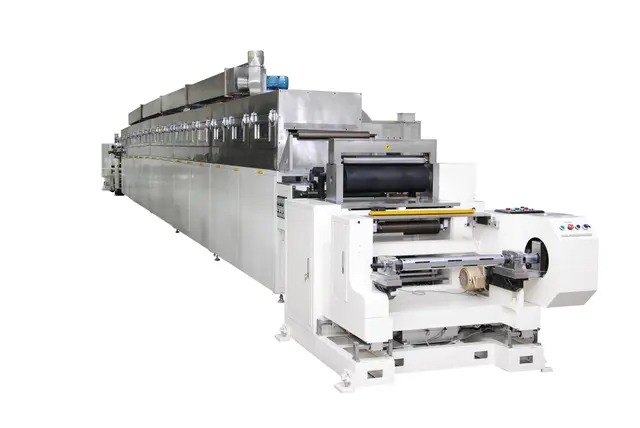
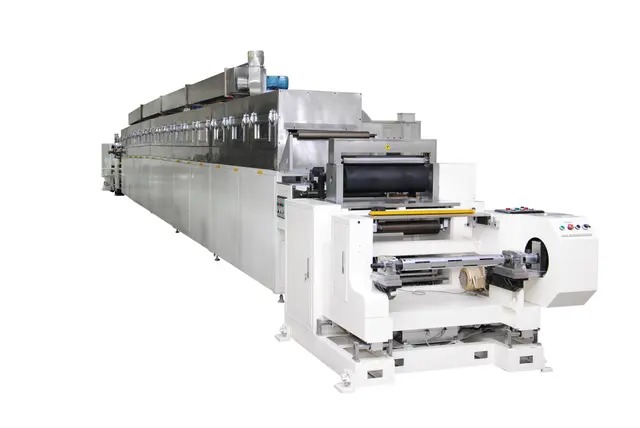
An electrode making machine is a specialized piece of equipment designed to automate and streamline the electrode production process. These machines are equipped to handle various stages, including mixing, coating, and pressing, making them vital in large-scale electrode production.
Key functions of an electrode making machine include:
Material Dispensing: The machine ensures precise dispensing of materials like conductive powders, binders, and solvents, which is critical for achieving consistent electrode properties.
Mixing and Paste Formation: The machine thoroughly mixes materials to create a uniform electrode paste. This step is vital for ensuring that the electrode performs well during its intended application.
Coating and Shaping: An electrode making machine can also coat substrates (such as copper or aluminum foil) with the electrode paste, ensuring uniform thickness and adherence. Some machines are also capable of pressing the coated electrode material to achieve the desired shape and density.
Drying and Curing: In many applications, the electrodes need to be dried or cured to remove excess solvent and ensure stability. Some electrode making machines feature integrated drying systems.
By automating these processes, electrode making machines help reduce human error, improve production speed, and ensure high-quality, consistent results across large batches.
Step-by-Step Guide to Manufacturing an Electrode
Manufacturing an electrode involves several critical stages, from preparing raw materials to the final testing phase. The following step-by-step guide outlines the process in detail.
Preparing the Materials
Before any actual production can begin, it's important to gather and prepare the necessary raw materials. This includes selecting the right conductive powders, binders, solvents, and additives. These materials must be carefully weighed and mixed to create a uniform base for the electrode paste.
The electrode making machine helps automate the dispensing and mixing of these materials, ensuring uniformity and eliminating human error.
Mixing and Forming the Electrode Paste
The next step involves mixing the raw materials to create the electrode paste. The conductive powder, binder, and solvent are combined in specific ratios to create a homogenous slurry.
The electrode making machine plays a critical role at this stage, ensuring the materials are mixed thoroughly to avoid inconsistencies in the electrode’s final performance.
The paste is then transferred to a coating system, where it's applied onto a conductive substrate, such as copper for the anode or aluminum for the cathode.
Shaping and Pressing the Electrode
Once the electrode paste has been applied to the substrate, it’s time to shape and press the material to the desired thickness and density. This is done using specialized equipment that ensures the electrode has the proper physical properties for its intended use.
In many cases, the electrode making machine is equipped with a pressing system that ensures the electrode is compacted evenly, which is vital for ensuring optimal electrochemical performance.
Types of Electrodes and Their Specific Manufacturing Techniques
Not all electrodes are created equal, and each type has its own manufacturing requirements. Let's take a look at some common types of electrodes and the specific techniques used in their production:
| Electrode Type | Common Applications | Manufacturing Technique |
| Lithium-Ion Battery Anode | Energy storage (batteries) | Graphite or silicon-based materials; paste coating and pressing |
| Lithium-Ion Battery Cathode | Energy storage (batteries) | Metal oxide materials like lithium cobalt oxide; slurry coating |
| Fuel Cell Electrodes | Hydrogen fuel cells | Platinum or palladium coatings; high-temperature processing |
| Electroplating Electrodes | Metal coating and plating | Conductive metal foils; electrochemical deposition |
Each electrode type requires different materials and processing techniques to ensure it functions optimally within its intended application.
Quality Control and Testing in Electrode Manufacturing
Once electrodes are manufactured, it's crucial to test their performance to ensure they meet the required standards. Quality control measures in electrode manufacturing include:
Visual Inspection: This ensures that the electrodes have the right shape, size, and coating consistency.
Electrical Testing: Electrodes are tested for their conductivity, charge-discharge cycles, and other performance metrics.
Stress Testing: Electrodes are subjected to extreme conditions, such as high temperatures and pressure, to ensure durability and stability.
By using advanced testing systems, manufacturers can ensure that each batch of electrodes meets industry standards and performs reliably.
Future Trends in Electrode Manufacturing Technology
The future of electrode manufacturing is closely tied to advancements in material science and automation. Some key trends include:
Increased Automation: Electrode making machines are becoming more advanced, capable of handling more complex processes with greater precision and efficiency.
New Materials: Researchers are constantly developing new materials, such as graphene and solid-state electrolytes, which could dramatically improve electrode performance.
Sustainability: As the demand for environmentally friendly and sustainable energy solutions grows, electrode manufacturers are exploring ways to make production more energy-efficient and reduce waste.
Conclusion
Manufacturing electrodes is a complex process that requires careful attention to material selection, manufacturing techniques, and quality control. An electrode making machine is integral to this process, ensuring that each stage is completed accurately and efficiently. As technologies advance, the future of electrode production will be shaped by automation, new materials, and sustainability efforts, ensuring that electrodes continue to play a vital role in energy storage, electrochemical processes, and beyond.
FAQ
1.What is the main function of an electrode in a battery?
An electrode in a battery serves as the site for the electrochemical reactions that generate electrical energy. The anode releases electrons during discharge, while the cathode absorbs them.
2.Can I make electrodes at home?
While it's possible to make simple electrodes at home using basic materials, industrial-grade electrodes require specialized equipment like an electrode making machine for precise material handling and consistency.
3.What materials are commonly used in electrode manufacturing?
Common materials include graphite, lithium cobalt oxide, and carbon. Binders such as PVDF and solvents like NMP are also frequently used.
4.Why is quality control so important in electrode manufacturing?
Quality control ensures that each electrode performs optimally and meets industry standards, which is critical for the efficiency and longevity of devices like batteries and fuel cells.


