Have you ever wondered how welding electrodes are made? Electrode making machines are essential in industries, producing high-quality electrodes crucial for welding. These machines combine precision and efficiency, ensuring consistent electrode performance. In this post, you'll learn about electrode making machines, their importance in industries, and the key components that make them work seamlessly.
Key Components of Electrode Making Machines
Electrode making machines rely on several critical components working together to produce high-quality welding electrodes. Each part plays a unique role in the manufacturing process, ensuring efficiency, precision, and consistency.
Mixing Units
Mixing units combine raw materials such as powders, binders, and additives to create the electrode coating mixture. The quality of this mixture is vital for electrode performance. These units use precise controls to blend ingredients evenly, avoiding lumps or inconsistencies. Proper mixing ensures the coating is strong and stable, which directly impacts welding quality.
Wire Feeders
Wire feeders handle the steel wire core of the electrode. They pull wire from large coils and straighten it before feeding it through the machine. Straightening is essential to prevent bends, which can cause uneven coating or breakage. The wire feeder also controls the feed speed, matching it to the coating process for uniform application.
Extrusion Presses
Extrusion presses apply the coating slurry to the wire. They force the mixture through a die surrounding the wire, ensuring a smooth, even layer. This step is crucial because any unevenness can weaken the electrode or cause defects during welding. The press’s pressure and speed settings are adjustable to accommodate different electrode sizes and coatings.
Drying Ovens
After coating, electrodes pass through drying ovens. These ovens remove moisture from the coating to prevent cracking or peeling. Temperature and airflow in the ovens are carefully controlled to dry the electrodes evenly without overheating. Proper drying preserves the coating’s integrity and ensures the electrode performs reliably in welding.
Packing Machines
Packing machines prepare the finished electrodes for storage and shipment. They package electrodes in moisture-proof materials to protect them from humidity and contamination. Automated packing machines improve efficiency and maintain consistent packaging quality, which is vital for preserving electrode performance over time.
Conveyor Systems
Conveyor systems transport electrodes between different stages of production. They ensure smooth, continuous movement from mixing to packaging, reducing manual handling and minimizing damage risk. Conveyors are designed to handle electrodes gently, maintaining alignment and spacing for optimal processing.
Tip: Regularly calibrate and maintain each component, especially mixing units and extrusion presses, to ensure consistent electrode quality and reduce production downtime.
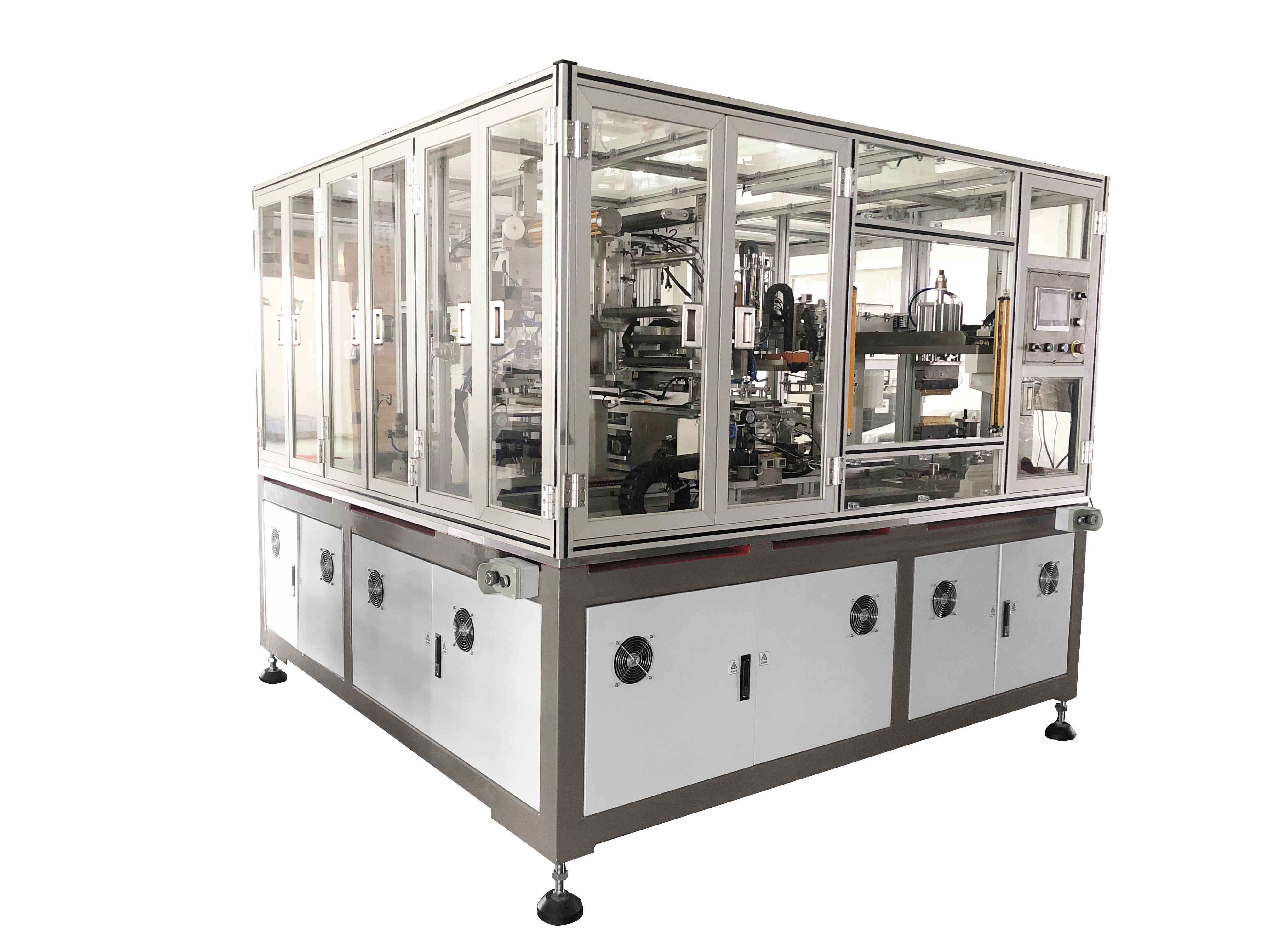
Step-by-Step Process of Electrode Manufacturing
Manufacturing welding electrodes involves a precise sequence of steps. Each step ensures the electrode performs well during welding, offering strength, stability, and consistency.
Raw Material Preparation
The process begins by selecting raw materials. The core wire usually consists of steel, chosen for its conductivity and strength. The coating combines iron powder, mineral powders, and binders. These materials provide the electrode with essential properties for welding.
Next, digital scales weigh each ingredient carefully. Accurate weighing is critical to maintain the right balance in the coating. Then, mixers blend these materials evenly, preventing lumps or weak spots. Proper preparation sets the foundation for a high-quality electrode.
Slurry Mixing
Once the powders and binders are ready, they turn into slurry by adding water or light oil. This paste-like mixture coats the steel wire. Maintaining the right slurry thickness is vital. If too thin, it won't coat well; too thick, it may form lumps.
Agitators and water tanks help keep the slurry smooth and uniform. This consistency ensures the coating spreads evenly on the wire, which directly impacts the electrode's performance.
Core Wire Feeding
The steel wire core is fed from large coils into the machine. As it moves, straightening rollers align the wire, removing bends or kinks. This step prevents uneven coating or breakage during production.
The wire feed speed is carefully controlled to match the coating application. Correct speed ensures the coating is applied uniformly along the wire's length.
Coating Application
Coating the wire is done through several methods:
| Dipping | The wire is dipped into the slurry. |
| Extrusion | The slurry is forced through a die surrounding the wire. |
| Compaction | Rollers press the slurry onto the wire for even thickness. |
Each method aims to achieve a uniform coating. Some electrodes require special coatings, like rust inhibitors or stabilizers, to enhance performance in specific welding environments.
Drying and Setting
After coating, electrodes pass through drying ovens. Controlled heat removes moisture without causing cracks or sticking. Proper drying solidifies the coating, preserving its strength and integrity.
Airflow and temperature settings are adjusted to prevent defects. This step is crucial for ensuring the electrode’s durability during welding.
Cutting and Sizing
Once dry, electrodes are cut to precise lengths. Cutting machines use measuring wheels and sharp blades to ensure clean, accurate cuts. Proper sizing guarantees the electrode fits welding equipment and meets application requirements.
Secondary Coating (If Necessary)
Some electrodes receive a secondary coating of flux or alloy powders. This coating improves arc stability and welding quality. It helps prevent defects and ensures strong, consistent welds.
Final Drying
After any additional coatings, electrodes undergo a final drying phase. Higher heat zones set the coating firmly without damaging it. This final step ensures the electrode is ready for packaging and use.
Quality Control in Electrode Making
Quality control ensures welding electrodes meet performance, strength, and consistency standards. It involves testing, inspection, defect prevention, and final sampling.
Testing and Inspection
Several checks verify electrode quality:
Coating Thickness: Uniform coating thickness is essential. It affects welding performance and electrode durability. Thickness gauges or ultrasonic testers measure this precisely.
Straightness: The wire core must be straight. Bends cause uneven coating or welding defects. Visual inspection and automated sensors detect wire alignment issues.
Welding Test: Electrodes undergo welding trials to confirm arc stability, slag removal, and weld strength. This practical test ensures the electrode performs well during actual use.
Modern production lines use AI and IoT technologies for real-time monitoring. AI analyzes coating uniformity and wire straightness, flagging inconsistencies early. IoT sensors track machine parameters continuously, helping maintain quality without delays.
Common Defects and Prevention
Electrode manufacturing faces several common defects:
Uneven Coating: Caused by inconsistent slurry application or improper wire speed. Prevention includes fine-tuning coating parameters and maintaining slurry viscosity.
Cracked Coating: Usually from drying oven temperature fluctuations or uneven airflow. Controlled drying conditions and regular oven calibration prevent cracks.
Wire Bends: Result from poor wire handling or feeder issues. Using high-quality straightening rollers and monitoring wire tension solves this.
Consistent maintenance of equipment and process controls reduces defect rates significantly.
Sampling and Final Testing
Before packaging, sample batches undergo thorough checks:
Visual Inspection: Detects surface defects, coating flaws, or wire damage.
Performance Tests: Simulated welding tests verify electrode functionality under real conditions.
Only batches passing these tests proceed to packaging, ensuring customers receive reliable, high-quality electrodes.
Packaging and Storage of Welding Electrodes
Methods of Packaging
Packaging welding electrodes properly is crucial to maintain their quality and performance during storage and transport. Common packaging methods include:
Cardboard Boxes: Suitable for small batches, usually 2.5 to 5 kilograms. These boxes are easy to handle and stack.
Master Cartons: Used for larger quantities, often 20 to 25 kilograms. They provide better protection and simplify bulk shipping.
Plastic Sealing: Electrodes are often sealed in plastic bags inside boxes or cartons. This prevents moisture and contaminants from reaching the electrodes.
Proper packaging protects electrodes from physical damage, dust, and moisture, all of which can degrade the coating and reduce welding quality.
Role of Packaging Machines
Packaging machines automate the process of preparing electrodes for shipment. Their key roles include:
Consistency: They pack electrodes in uniform amounts and sizes, ensuring every package meets quality standards.
Protection: Machines seal electrodes in moisture-proof materials, shielding them from humidity and environmental contaminants.
Efficiency: Automation speeds up packaging, reduces human error, and improves overall productivity.
Modern packaging machines use controlled environments to prevent exposure to dust and moisture during packing. This helps maintain electrode integrity until use.
Importance of Moisture Protection
Moisture is one of the biggest threats to welding electrodes. Exposure can cause:
Coating Degradation: Moisture weakens the coating, causing it to crack or peel during welding.
Rust Formation: The steel core can rust, leading to poor electrical conductivity and weak welds.
Welding Defects: Damp electrodes produce unstable arcs, excessive spatter, and weak weld joints.
To prevent these issues, electrodes must be packed in moisture-resistant materials and stored in dry conditions. Some manufacturers also include desiccants or vacuum-seal packages for added protection.
Common Challenges and Solutions in Electrode Manufacturing
Electrode manufacturing involves complex processes, and several challenges can affect product quality and production efficiency. Understanding these issues and applying effective solutions is key to maintaining high standards and reducing downtime.
Challenges in Coating Uniformity
One major challenge is achieving a uniform coating on the electrode wire. Uneven coating can cause weak spots, leading to poor welding performance or electrode failure. Common causes include:
Slurry inconsistencies: If the slurry mixture is uneven or contains lumps, the coating will be patchy.
Incorrect wire speed: Feeding the wire too fast or too slow disrupts coating thickness.
Extrusion pressure variations: Fluctuations in pressure can cause uneven application.
Solutions:
Use high-quality mixing units and regularly check slurry viscosity.
Calibrate wire feed speeds to match coating requirements.
Maintain extrusion presses carefully, ensuring stable pressure and speed.
Equipment Maintenance
Equipment wear and tear can cause production delays and quality issues. Problems like clogged mixers, worn rollers, or faulty sensors affect coating, drying, and cutting.
Key maintenance practices:
Regular cleaning: Remove buildup from mixers, feeders, and extrusion dies.
Lubrication: Keep moving parts smooth to prevent damage.
Scheduled inspections: Check sensors, rollers, and motors to catch early signs of wear.
Timely repairs: Fix issues before they cause breakdowns.
Proper maintenance extends equipment life and keeps production running smoothly.
AI and IoT Solutions
Modern electrode manufacturing increasingly uses AI and IoT technologies to overcome challenges:
Predictive maintenance: AI analyzes machine data to forecast failures, allowing preemptive repairs.
Real-time monitoring: IoT sensors track parameters like slurry viscosity, extrusion pressure, and wire tension.
Automated adjustments: Systems can automatically tweak wire speed or extrusion settings for consistent coating.
Defect detection: AI vision systems identify coating irregularities or wire bends early, reducing waste.
Integrating these technologies improves product quality, reduces downtime, and boosts overall efficiency.
Benefits of Electrode Making Machines
Automation and Precision
Modern electrode making machines excel in automation, which boosts production speed and ensures high precision. Automation cuts down manual labor, reducing human errors and inconsistencies. Machines handle tasks like mixing, wire feeding, coating, drying, and cutting with exact timing and control. This precision guarantees every electrode meets strict quality standards, essential for reliable welding performance.
Automated systems can maintain consistent coating thickness and wire straightness better than manual methods. This consistency reduces waste and rework, saving costs over time. Plus, automation allows continuous operation, increasing output to meet high demand without sacrificing quality.
Customization for Different Electrode Types
Electrode making machines are versatile and configurable to produce various electrode types. They can adjust parameters like coating composition, wire diameter, and electrode length. This flexibility lets manufacturers tailor electrodes for specific welding applications, from light sheet metal to heavy structural steel.
Settings can be changed quickly to switch production between electrode types, improving efficiency. For example, machines can handle different coating formulations, including basic, acidic, or rutile coatings, each suited for distinct welding tasks. This customization ensures electrodes perform optimally in diverse environments and materials.
Wire Feed Adjustments
Wire feeding systems in electrode making machines are designed to adapt to different wire sizes and feed speeds. Adjusting wire feed speed is crucial for applying uniform coatings. Faster feed rates suit thinner coatings or smaller electrodes, while slower speeds allow thicker coatings for heavy-duty electrodes.
The wire feeder also controls wire tension and straightening, preventing bends or kinks that could cause coating defects or electrode failure. These precise adjustments ensure smooth operation and consistent electrode quality. Manufacturers can program wire feed parameters to match production goals, offering flexibility and control.
Conclusion
Electrode making machines consist of vital components like mixing units, wire feeders, and extrusion presses, ensuring precise electrode production. The future of electrode making machines lies in automation and AI integration, enhancing efficiency and quality. Companies like HONBRO lead the way with innovative solutions. HONBRO's advanced technology offers versatile and customizable machines, providing significant value by producing high-quality electrodes tailored to specific welding needs. Their commitment to excellence ensures reliable performance and customer satisfaction.
FAQ
Q: What is an Electrode Making Machine?
A: An Electrode Making Machine is a device used to produce welding electrodes by combining, coating, drying, and packaging materials to ensure high-quality electrode performance.
Q: How do Electrode Making Machines ensure coating uniformity?
A: Electrode Making Machines use precise mixing units and adjustable extrusion presses to maintain consistent slurry viscosity and even coating application.
Q: Why is automation important in Electrode Making Machines?
A: Automation in Electrode Making Machines increases production speed, reduces human error, and ensures precision, leading to consistent electrode quality and reduced waste.
Q: What are the benefits of using Electrode Making Machines?
A: Benefits include high precision, automation, customization for various electrode types, efficient wire feed adjustments, and reduced production costs.


