Battery stacking machines play a critical role in the battery production process by assembling the layers of electrodes, separators, and current collectors to form the core structure of battery cells. These machines ensure the uniformity and precision of the battery stack, which directly impacts the performance, capacity, and lifespan of the finished product. In high-demand industries like electric vehicles, renewable energy storage, and consumer electronics, efficient battery manufacturing is essential for meeting production targets. Minimizing downtime in battery stacking machine operations is crucial to maintaining high production efficiency and reducing operational costs. Unplanned stoppages not only lead to delays but can also increase maintenance expenses and disrupt the flow of the production line. By focusing on strategies to reduce downtime, manufacturers can improve throughput, lower costs, and ensure the continuous delivery of high-quality battery cells.
Understanding Battery Stacking Machines
1.Definition and Function
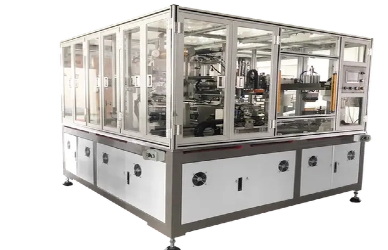
Battery stacking machines are specialized pieces of equipment used in the assembly of battery cells. Their primary function is to stack multiple layers of electrodes (anode and cathode) along with separators in a precise and orderly manner. This process is essential in creating the internal structure of the battery, ensuring that each layer is aligned correctly to optimize energy storage and performance. The machine feeds and arranges the materials—such as electrode foils and separators—into specific patterns, and typically includes components like conveyors, stacking arms, and robotic handling systems to automate the process.
2.Importance in Battery Assembly
The role of battery stacking machines in battery assembly cannot be overstated. These machines ensure that each layer is stacked with consistent spacing and alignment, which directly influences the battery's performance, capacity, and lifespan. Precise stacking prevents material misalignment, which could lead to internal short circuits, uneven energy distribution, or inefficient power storage. Uniformity and precision in stacking also contribute to the overall quality and reliability of the battery cells, making the machine vital for producing high-performance batteries, particularly in industries like electric vehicles, consumer electronics, and renewable energy storage. In short, battery stacking machines are integral to the production of safe, efficient, and long-lasting battery cells.
Common Causes of Downtime in Battery Stacking Machines
1.Mechanical Failures
Mechanical failures are one of the leading causes of downtime in battery stacking machines. These failures can occur in various components, such as the motors, conveyors, or stacking arms. A malfunctioning motor may prevent the machine from operating at the required speed, while issues with the conveyor system can disrupt the continuous flow of materials. Regular maintenance, such as lubrication, inspection, and replacing worn-out parts, is crucial to prevent these mechanical issues and ensure smooth machine operation.
2.Material Jams
Material jams are another common cause of downtime, often resulting from improperly loaded materials, misalignment, or blockages in the machine's feeding system. If the electrode materials or separators are not properly positioned or if there’s debris buildup, the stacking process can halt, leading to delays and potential damage to components. Ensuring the correct loading of materials and regular cleaning of feeding mechanisms can help minimize these issues and keep the machine running smoothly.
3.Operator Errors
Operator errors can significantly contribute to downtime if the machine is not set up or handled properly. This can include incorrect material loading, failure to follow standard operating procedures, or not adjusting machine settings for different batch sizes or material types. Training operators to understand the machine’s functions, ensuring proper setup before each run, and promoting adherence to protocols can reduce the likelihood of errors and maintain consistent machine performance.
4.Electrical Failures
Electrical failures, such as problems with the control panel, wiring, or sensors, can lead to system interruptions and stoppages in the stacking process. Faulty wiring or sensor malfunctions can cause the machine to operate erratically, or even stop entirely. Routine checks of the electrical systems, proper maintenance of wiring and control panels, and prompt troubleshooting of electrical components can help prevent these issues and reduce downtime caused by electrical failures.
Strategies to Reduce Downtime in Battery Stacking Machines
1.Preventive Maintenance
Preventive maintenance is key to avoiding unplanned breakdowns. This includes regular inspections of critical components such as motors, conveyors, and sensors, as well as routine lubrication and timely replacement of worn parts. Scheduled maintenance reduces unexpected failures and keeps the machine running smoothly.
2.Proper Training
Ensuring that operators are well-trained is essential to minimize errors. Operators should be familiar with correct setup, material handling, and optimal machine settings. Training reduces mistakes that lead to downtime and helps operators troubleshoot minor issues quickly.
3.Use of Automation and Monitoring
Implementing sensors and automated monitoring systems allows for early detection of potential issues. Automated systems can adjust settings in real-time, preventing problems like misalignment or jams, thus reducing downtime and improving consistency.
4.Spare Parts Management
Maintaining an inventory of critical spare parts, such as blades, motors, and sensors, ensures rapid repairs. Quick access to parts helps minimize production delays and allows the machine to return to operation as quickly as possible.
Real-Time Monitoring and Predictive Maintenance for Battery Stacking Machines
1.Real-Time Monitoring Systems
Implementing real-time monitoring systems in battery stacking machines is an essential strategy for reducing downtime. These systems use sensors to continuously track key parameters such as material alignment, machine speed, and temperature. By detecting anomalies early, the system can alert operators to potential issues—such as misalignment or overheating—before they lead to equipment failure. This proactive approach allows for immediate corrective actions, minimizing disruptions and maintaining consistent production flow.
2. Predictive Maintenance Tools
Predictive maintenance tools take real-time data from the machine’s performance and analyze it to predict when components may fail. By assessing factors like vibration, temperature fluctuations, and operating cycles, these tools forecast potential failures in components such as motors, sensors, and belts. With this information, manufacturers can schedule maintenance or part replacements at optimal times, avoiding unplanned downtime. Predictive maintenance not only helps extend the lifespan of equipment but also improves resource planning, reducing the need for urgent repairs and unexpected interruptions.
FAQ:
1.How can predictive maintenance reduce downtime in battery stacking machine operations?
Predictive maintenance uses real-time data and advanced analytics to monitor the health of key machine components. By analyzing performance data such as vibrations, temperature, and wear patterns, it can predict when parts like motors, sensors, or conveyors are likely to fail. This allows manufacturers to schedule repairs or replacements ahead of time, ensuring that maintenance is performed before a failure occurs, thereby preventing unexpected breakdowns and significantly reducing unplanned downtime.
2.What are the key signs that a battery stacking machine is about to experience a malfunction?
Key signs of potential malfunctions include abnormal noises (such as grinding or squeaking), irregular stacking speeds, misalignment of stacked materials, increased vibrations, or fluctuating temperatures. These issues often indicate wear and tear, misadjustments, or component failures. Monitoring these signs can help operators detect problems early and take corrective action before the machine experiences a full breakdown, minimizing downtime and avoiding costly repairs.
3.How does proper operator training contribute to reducing downtime in battery stacking machines?
Proper operator training is crucial for minimizing downtime because trained operators are more adept at identifying early signs of trouble, performing basic troubleshooting, and ensuring that the machine is set up correctly for each production run. A well-trained operator can quickly adjust settings, replace worn components, and follow maintenance protocols, reducing the likelihood of operational errors that could lead to machine failure or inefficient production processes. This results in fewer disruptions and more consistent machine performance.
4.Why is spare parts management important in reducing downtime for battery stacking machines?
Spare parts management plays a crucial role in reducing downtime by ensuring that essential components are readily available when needed. An efficient spare parts system helps minimize delays by having the right parts in stock, allowing for quick repairs when components such as motors, belts, or sensors fail. Without a well-organized spare parts inventory, machine downtime can extend while waiting for replacement parts to arrive, which can significantly disrupt production schedules. Effective spare parts management keeps operations running smoothly and helps maintain high production efficiency.
Conclusion
Reducing downtime and enhancing the overall performance of battery stacking machines is crucial for ensuring consistent, high-efficiency production in battery manufacturing. Several key strategies can help achieve this goal. Predictive maintenance allows for the early detection of potential issues, enabling manufacturers to schedule repairs before failures occur, thus avoiding unexpected breakdowns. Real-time monitoring systems further support this by continuously tracking machine performance and alerting operators to anomalies, preventing disruptions before they escalate. Proper operator training is equally important, as skilled operators can identify early signs of trouble, perform routine troubleshooting, and ensure the machine is set up and maintained properly, all of which contribute to smoother operations. Additionally, effective spare parts management ensures that critical components are readily available, enabling quick repairs and minimizing production delays. Regular preventive maintenance, such as inspections, lubrication, and calibration, helps reduce wear and tear, ensuring the longevity and reliability of the machine. By combining these strategies—predictive maintenance, real-time monitoring, proper training, spare parts management, and regular upkeep—manufacturers can significantly reduce downtime, optimize performance, and improve overall production efficiency, ensuring a more reliable and productive battery stacking process.


