Electrode coatings are vital in many industries, from welding to battery production. They protect welds, stabilize arcs, and improve battery performance.
In this article, we will explore the essential role of electrode coatings in enhancing stability, durability, and efficiency. You will learn how electrode coatings contribute to both welding and battery manufacturing processes, as well as the technologies behind modern electrode coating machines.
The Purpose of Electrode Coatings
Enhancing Arc Stability
Arc stability is essential in welding, as it determines the consistency of the welding process. Electrode coatings stabilize the arc by controlling the electrical characteristics between the electrode and the workpiece. This results in smoother arcs, fewer disruptions, and a more efficient welding process. A stable arc reduces spatter, minimizes defects, and improves the overall quality of the weld.
Protecting the Weld from Contaminants
One of the primary functions of an electrode coating is to protect the molten weld from environmental contaminants such as oxygen, nitrogen, and hydrogen. These elements can cause defects like porosity and cracking in the weld. The coating creates a shielding gas around the weld pool, ensuring that it remains uncontaminated by the surrounding atmosphere. This is particularly important in industries where the integrity of the weld is critical, such as aerospace or nuclear energy.
Improving the Mechanical Properties of the Weld
The coating not only protects the weld but also contributes to the mechanical properties of the final product. As the coating melts during welding, it introduces alloying elements and deoxidizers that help improve the strength, toughness, and resistance to cracks of the weld metal. By choosing the right coating, manufacturers can ensure that the weld meets specific mechanical property requirements, making it suitable for high-stress applications.
Types of Electrode Coatings and Their Specific Functions
Rutile Coatings
Rutile coatings are known for their versatility and are commonly used in welding processes. These coatings provide excellent arc stability, smooth weld surfaces, and minimal spatter, making them ideal for general-purpose welding. They are particularly effective in applications where appearance and ease of handling are important. Rutile coatings can be used in both direct current (DC) and alternating current (AC) welding.
Cellulosic Coatings
Cellulosic coatings are designed for high-penetration welding applications, making them ideal for vertical and root welding. The high arc temperature generated by these electrodes helps them penetrate thick materials, ensuring strong welds. These coatings are also resistant to contaminants, which makes them suitable for challenging positions and environments where other coatings may fail.
Basic Coatings
Basic coatings are used in applications requiring high tensile strength and impact resistance. These electrodes are often used to weld high-strength steels, stainless steels, and materials with higher sulfur or phosphorus content. The coating helps reduce hydrogen-induced cracking and improves the mechanical properties of the weld, making it suitable for critical applications in construction, pressure vessels, and pipelines.
Acid Coatings
Acid coatings are typically used for welding non-ferrous metals such as aluminum. These coatings help achieve good bead appearance and provide precise control over the welding process. They produce a stable arc with minimal slag, which is essential for welding delicate alloys that require fine control over heat and penetration.
The Effect of Electrode Coating on Battery Manufacturing (Dry Electrode Coating)
Higher Energy Density
In battery manufacturing, particularly for lithium-ion batteries, dry electrode coating has become a key technology. This process eliminates the need for solvents, which allows for thicker coatings on the electrode without compromising structural integrity. Thicker coatings enable higher energy density, which is critical for enhancing battery performance and extending the lifespan of batteries used in electric vehicles (EVs) and other applications.
Cost Reduction in Manufacturing
Dry electrode coating also significantly reduces manufacturing costs. By eliminating solvents and simplifying the production process, manufacturers can lower material costs and increase production efficiency. This method is particularly attractive in the growing EV market, where the demand for cost-effective, high-performance batteries is rising. Additionally, the ability to achieve consistent coating thickness without solvents contributes to improved production scalability and reduced waste.
Improved Coating Accuracy
The precision of electrode coatings in battery manufacturing is crucial for ensuring consistent performance. Dry electrode coating technologies, such as slot die coating, allow for highly accurate control over the coating thickness. This is important for maintaining uniform energy density across the battery and avoiding defects caused by variations in the coating layer. Moreover, the absence of solvents reduces the likelihood of defects like pinholes, which can compromise battery integrity.
Key Factors in Electrode Coating Selection
Material Composition
Choosing the right material for the electrode coating is essential to achieving the desired weld or battery performance. The composition of the coating directly impacts the stability of the arc in welding and the energy density in battery applications. For example, the use of rutile coatings may be preferred for general-purpose welding, while basic coatings are necessary for high-strength applications. In battery manufacturing, the choice of binders and conductive additives plays a critical role in determining the efficiency and durability of the electrode.
Welding Position and Environmental Factors
The position in which welding takes place—whether flat, vertical, or overhead—affects the type of electrode coating selected.
| Cellulosic coatings | ideal for vertical welding |
| Rutile coatings | better suited for horizontal and flat welding |
Environmental conditions, such as humidity and temperature, also influence the performance of the electrode coatings, especially for welding in extreme conditions or when working with alloys sensitive to atmospheric contamination.
Cost and Efficiency Considerations
When selecting electrode coatings, cost and efficiency must be balanced. The high performance of certain coatings, such as low hydrogen coatings, may justify their higher price in critical applications, while more cost-effective options like rutile coatings may be suitable for less demanding tasks. In the context of battery production, reducing manufacturing costs while maintaining high energy density is crucial for staying competitive in the market.
Innovations and Future Trends in Electrode Coating Technology
Advances in Coating Methods for Batteries
One of the key innovations in battery manufacturing is the shift towards dry electrode coating technologies. These methods eliminate the need for solvent-based processes, making battery production more environmentally friendly and cost-effective. As the demand for electric vehicles and other battery-powered devices grows, the development of even more efficient coating techniques will be essential for meeting future performance and cost requirements.
Emerging Welding Electrode Coating Technologies
In the welding industry, continuous advancements in electrode coating technologies are enhancing weld quality, reducing defects, and improving the efficiency of the welding process. New formulations of electrode coatings are being developed to provide better arc stability, smoother welds, and higher resistance to cracking. These innovations will enable welders to work more efficiently, reducing downtime and increasing productivity.
Conclusion
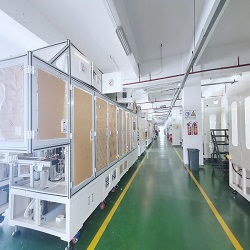
Electrode coatings are crucial in welding and battery manufacturing, enhancing performance, stability, and durability. They improve arc stability in welding and increase energy density in batteries. As technology advances, innovations in electrode coating methods will lead to more efficient and cost-effective solutions. HONBRO provides high-performance electrode coating equipment for battery production lines, helping customers enhance product quality and production efficiency.
FAQ
Q: What is the purpose of electrode coatings in welding?
A: Electrode coatings in welding stabilize the arc, protect the weld from contaminants, and enhance the mechanical properties of the weld, ensuring higher quality and durability in various applications.
Q: How does an electrode coating machine work?
A: An electrode coating machine applies a protective layer to the electrode by mixing the coating materials and evenly distributing them on the electrode's surface, ensuring uniformity and consistency in the final product.
Q: Why are electrode coatings important for battery manufacturing?
A: In battery production, electrode coatings enhance energy density, reduce manufacturing costs, and improve coating accuracy, especially in technologies like dry electrode coating used in lithium-ion batteries.
Q: What factors should be considered when choosing an electrode coating?
A: Key factors include material composition, welding position, environmental conditions, and cost. For battery manufacturing, the choice of binders and conductive additives is critical to performance.


