Battery slitting machines play a crucial role in the production of batteries, particularly in the cutting process of electrode materials into precise strips for further assembly. These machines are essential in ensuring the high-quality and efficiency of battery manufacturing, which is especially important in industries like electric vehicles (EVs), consumer electronics, and renewable energy storage. As battery technology evolves, the demand for precise and efficient slitting has increased, making these machines indispensable for producing reliable and consistent battery components.
However, operating a battery slitting machine is not without its challenges. Issues such as material thickness variability, blade wear, and the balance between speed and precision can all impact the performance and quality of the final product. Additionally, heat generation during the cutting process and the need for proper machine calibration further complicate operation. This article aims to explore these common challenges and provide effective strategies to overcome them, ensuring that battery slitting machines can operate at optimal efficiency and produce high-quality battery components.
Understanding Battery Slitting Machines
1.Definition and Function:
A battery slitting machine is a specialized piece of equipment used in the manufacturing of batteries, particularly for the precision cutting of electrode materials, such as anode and cathode foils, into strips of specific sizes. These machines play a critical role in ensuring that the individual layers of battery cells are properly sized for further processing, such as stacking or winding, before they are assembled into finished battery packs. The primary function of a battery slitting machine is to provide accurate, clean cuts that maintain the integrity of the material, avoiding any damage that could affect the battery's overall performance.
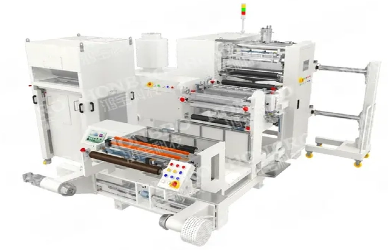
The structure of a battery slitting machine typically consists of a feeding system, a cutting mechanism (usually a rotary blade or a shear), and a winding or collection system to manage the slit material. The machine may also include precision controls to adjust speed, blade tension, and cutting depth to ensure high accuracy in the slitting process.
2.Main Applications:
Battery slitting machines are primarily used in the production of lithium-ion and other types of batteries, where electrode materials need to be cut into uniform strips for consistent performance. These machines are commonly employed in the following applications:
Electrode Manufacturing: The most common use of battery slitting machines is in the production of anode and cathode materials, where the large electrode foils are cut into narrow, uniform strips. These strips are then used in the assembly of battery cells, ensuring uniformity in the size of each electrode layer.
Battery Cell Assembly: After slitting, the strips of electrode materials are stacked or wound to form the layers within a battery cell. The accuracy of the slitting process directly impacts the performance and longevity of the finished battery, making precise cutting essential.
Battery Module Production: In larger battery systems, such as those used in electric vehicles (EVs) or energy storage systems, battery slitting machines are also used to cut materials for modules or packs, helping to meet the specific size requirements for each module.
Common Challenges in Operating Battery Slitting Machines
1. Material Thickness Variability
Challenge: Variations in the thickness of battery materials, such as anode and cathode foils, can significantly impact the accuracy of the cutting process. When the material thickness is inconsistent, it can lead to uneven slitting, which affects the overall quality of the battery cells. Inaccurate cuts may result in poor battery performance or material wastage.
Solution: To counter this issue, it is crucial to regularly calibrate the equipment and incorporate automatic adjustment systems that can detect and compensate for thickness variations in real-time. These systems ensure that the machine makes precise cuts, regardless of fluctuations in material thickness.
2. Blade Wear and Maintenance
Challenge: Over time, the blades used in the slitting machine wear down due to constant friction against the material being cut. This wear can cause a decrease in cutting precision and an increase in scrap material, leading to higher production costs. Additionally, worn blades can result in increased downtime for blade replacement, which reduces overall production efficiency.
Solution: Regular inspection and replacement of blades are critical for maintaining optimal cutting performance. Establishing a comprehensive tool management system can help track blade wear and schedule timely maintenance or replacements, minimizing downtime and ensuring consistent production quality.
3. Speed and Precision Balance
Challenge: One of the main challenges in operating a battery slitting machine is finding the right balance between high production speed and cutting precision. While faster cutting speeds improve overall throughput, it may come at the cost of accuracy, which can compromise the quality of the finished battery cells. Conversely, slowing down the process may enhance precision but reduces productivity.
Solution: To address this challenge, operators should optimize machine settings to find an efficient balance that maximizes both speed and precision. Implementing automation technology, such as smart sensors and real-time monitoring systems, can help ensure that the machine maintains high efficiency while also delivering the precise cuts required for high-quality battery components.
4. Heat Generation and Material Handling
Challenge: During the slitting process, friction between the blades and the material can generate heat, which may affect the stability and quality of the battery materials. Excessive heat can lead to material warping or changes in the chemical properties of the electrodes, which could impact battery performance.
Solution: To mitigate heat-related issues, battery slitting machines should be equipped with effective cooling systems to dissipate heat during operation. Additionally, precise temperature control mechanisms should be in place to ensure that materials remain stable throughout the cutting process.
5. Machine Calibration and Setup Issues
Challenge: During the initial setup or calibration of the battery slitting machine, technical issues can arise, especially when working with new materials or when fine-tuning machine settings. If the machine is not properly calibrated, it can lead to poor cut quality, material waste, and potential damage to both the machine and the materials.
Solution: Regular machine calibration is essential to ensure that the equipment is properly set up for the specific materials being used. Routine checks and calibration procedures help maintain compatibility between the machine’s settings and the material properties, ensuring that the slitting process runs smoothly and efficiently.
Impact of Improper Operation on Production Quality
Improper operation of a battery slitting machine can lead to several issues that affect both production efficiency and product quality:
1.Uneven Cuts
Incorrect machine settings, worn blades, or poor calibration can result in uneven cuts, affecting battery performance and making assembly difficult.
2.Material Waste
Incorrect slitting can cause material waste due to damaged foils or inaccurate cuts, increasing material costs and environmental impact.
3.Reduced Production Efficiency
Improper operation leads to frequent downtime for adjustments and repairs, reducing throughput and increasing maintenance costs.
Mitigating Challenges and Ensuring Optimal Performance
1.Maintenance and Care
Regular maintenance, including inspections for wear and preventive tasks like cleaning, lubrication, and calibration, is crucial for ensuring the battery slitting machine operates efficiently. Addressing minor issues before they become major problems helps minimize downtime, reduce repair costs, and maintain consistent production quality.
2.Operator Training
Well-trained operators are essential for efficient machine operation. Training should cover machine setup, maintenance, and troubleshooting, enabling operators to quickly identify and resolve issues. Proper training reduces errors, minimizes downtime, and ensures the machine performs optimally.
FAQ:
1.How often should the blades of a battery slitting machine be replaced?
The blades should be replaced when they show signs of wear, such as dullness or damage, which can impact cutting accuracy. This typically occurs after a certain amount of production hours or depending on material type, but regular inspections should be conducted to determine the optimal replacement time.
2.What is the typical lifespan of a battery slitting machine?
The lifespan of a battery slitting machine generally ranges from 5 to 10 years, depending on factors like maintenance, usage intensity, and the quality of materials being processed. Regular maintenance and proper operation can extend the machine’s lifespan.
3.How can the accuracy of material cutting be improved?
Accuracy can be improved by regularly calibrating the machine, using high-quality blades, and maintaining proper tension during the slitting process. Additionally, incorporating automatic adjustment systems to detect material thickness variations can help maintain precise cuts.
4.What are the most common causes of machine downtime in battery slitting?
The most common causes of downtime include blade wear, material jams, improper machine calibration, and mechanical failures. Regular maintenance and operator training can help minimize these issues and reduce downtime.
Conclusion
Battery slitting machines are vital for high-efficiency battery production, ensuring precise cuts of electrode materials that are crucial for the performance and reliability of batteries. Despite their importance, operators face several challenges, such as material thickness variability, blade wear, and maintaining the balance between speed and precision. These challenges can lead to issues like uneven cuts, material waste, and reduced production efficiency if not properly addressed. However, through regular maintenance, proper calibration, and well-trained operators, these challenges can be mitigated. By implementing effective strategies to maintain optimal performance, manufacturers can enhance production quality, reduce downtime, and increase overall efficiency, ensuring the consistent delivery of high-quality battery components.


