Are you overwhelmed by the variety of electrode making machines available? Choosing the right one is crucial for efficient production. In this post, you'll learn about different machine types and their key components, helping you make an informed decision.
Understanding Electrode Making Machines
When choosing an electrode making machine, it's essential to understand the types available and the key components that make them work efficiently.
Types of Electrode Making Machines
There are mainly two types of coating machines used in electrode production:
- Screw Coating Machines: These use a rotating helical screw to move the flux paste onto the wire surface. The screw pushes the paste forward through a cylinder toward an outlet nozzle, where the wire is coated. This type works best with electrode materials that flow easily, like those containing mica powder, which helps the paste spread smoothly. For example, the E6013 electrode is commonly produced with this machine.
Hydraulic Coating Machines: These machines apply pressure using a hydraulic piston to press the paste onto the wire. They can handle a wider variety of electrode coatings, including those with less fluidity that need more force to adhere properly. The hydraulic system's pressure can be adjusted to suit different paste types, making it more versatile. The design of the machine head, including the wire fitting die and covering die, is crucial to ensure the paste is pressed evenly and the wire stays centered within the coating.
Key Components and Their Functions
Design Considerations
The geometric arrangement of the wire and flux paste as they enter the extrusion or pressing area affects coating quality. Both machine types have variations in this design to optimize performance for different electrode types.
Advantages and Disadvantages
- Screw Machines: Simpler and suitable for electrodes with easily flowing coatings. They offer higher output rates but are limited to certain electrode types.
- Hydraulic Machines: More flexible, can handle tougher coatings, but generally have lower output per shift due to the higher pressure and complexity.
Understanding these machines helps you select the right type based on your electrode production goals, raw materials, and desired product quality.
Tip: When choosing between screw and hydraulic coating machines, consider the flow properties of your electrode paste and the pressure needed to achieve a uniform coating for consistent quality.
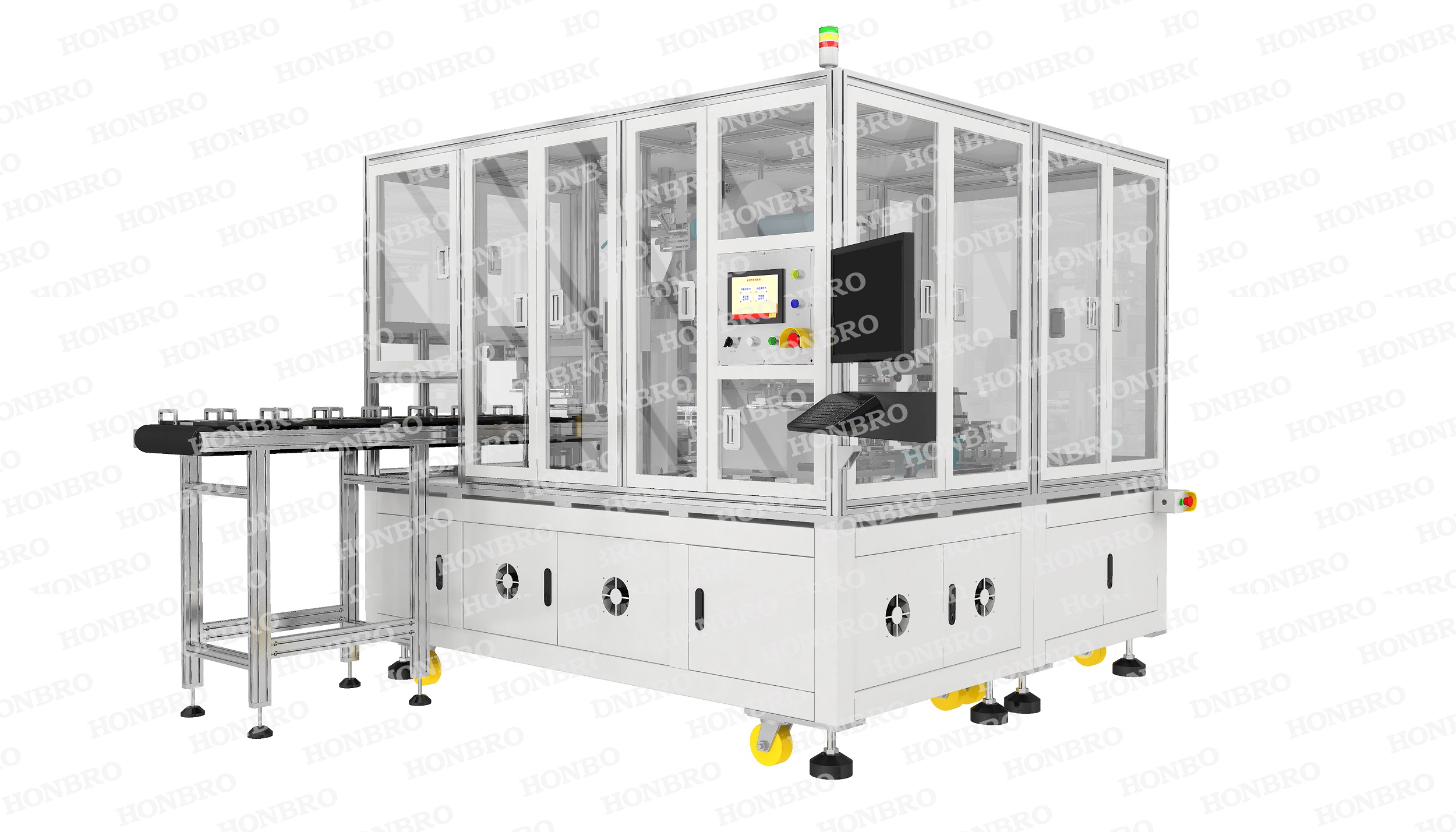
Factors to Consider When Buying an Electrode Making Machine
When you're ready to purchase an electrode making machine, several critical factors will influence your decision. These include production capacity and efficiency, machine durability and quality, and cost and budget considerations. Understanding these will help you find a machine that fits your production goals and budget.
Production Capacity and Efficiency
The machine's production capacity is one of the first things to evaluate. It determines how many electrodes you can produce in a given time, usually measured per shift or per hour. If your market demands high volume, a machine with a higher output rate is essential.
Screw Coating Machines generally offer higher output per shift due to their simpler mechanism and continuous operation.
Hydraulic Coating Machines might produce fewer electrodes per shift because of the higher pressure and more complex process, but they can handle a wider variety of coatings.
Efficiency is not just about speed but also about minimizing waste and downtime. Look for machines with easy-to-maintain parts and reliable operation to maximize your production uptime.
Machine Durability and Quality
Durability is crucial because electrode making machines operate under continuous, often harsh conditions. A machine made from high-quality materials and components will last longer and require fewer repairs.
Check for parts made of wear-resistant materials like tungsten carbide, especially in critical areas such as the wire fitting die and covering die.
The hydraulic system should be robust, with adjustable pressure settings to accommodate different electrode types without damaging the machine.
The machine's design should allow precise alignment and consistent coating density; this reduces defective products and improves overall quality.
A durable machine reduces maintenance costs and production interruptions, leading to better long-term profitability.
Cost and Budget Considerations
The initial purchase price is important but should not be your only focus. Consider the total cost of ownership, which includes:
Energy consumption: Machines with efficient motors and hydraulic systems can save on power bills.
Maintenance costs: Look for machines with widely available spare parts and straightforward maintenance procedures.
Training and operation: More complex machines might require skilled operators, adding to labor costs.
Warranty and service: Machines with comprehensive warranties and reliable after-sales support can save money on repairs.
Balance your budget with the machine’s features and expected lifespan. Sometimes paying more upfront for a quality machine saves money over time.
Types of Coating Machines
In the electrode production process, the coating machine plays a critical role in applying the flux paste uniformly onto the wire core. Two main types of coating machines are commonly used: screw coating machines and hydraulic coating machines. Each has unique features, pros, and cons that influence your choice depending on the electrode type and production needs.
Screw Coating Machines
Screw coating machines use a rotating helical screw to push the flux paste forward through a cylinder toward an outlet nozzle. The wire passes through this nozzle, getting coated as the paste is extruded onto its surface. This type works best for electrode coatings that flow easily, such as those containing mica powder, which helps the paste spread smoothly.
Advantages:
Simpler mechanical design, leading to easier maintenance.
Higher production capacity due to continuous paste movement.
Suitable for electrodes like E6013, where paste fluidity is high.
Disadvantages:
Hydraulic Coating Machines
Hydraulic coating machines apply pressure using a hydraulic piston to press the flux paste onto the wire. This system can handle a broader range of coatings, including those with lower fluidity that require more force to adhere properly.
Key components include:
Hydraulic System: Adjusts pressure to suit different paste types.
Wire Fitting Die: Guides the wire at the correct angle, made from durable tungsten carbide.
Covering Die: Shapes and applies the paste uniformly around the wire.
Position Regulator: Aligns the dies to center the wire in the coating.
Advantages:
Versatile, able to coat a wide variety of electrode types.
Can handle thicker and less fluid pastes.
Allows pressure adjustment for optimal coating density.
Disadvantages:
More complex design, requiring skilled operation and maintenance.
Generally lower output per shift compared to screw machines due to press cycles.
Comparing Both Types
| Feature | Screw Coating Machine | Hydraulic Coating Machine |
| Paste Applicability | Best for fluid pastes | Handles fluid and thick pastes |
| Production Capacity | Higher output per shift | Lower output, higher quality control |
| Machine Complexity | Simpler, easier maintenance | Complex, requires skilled operators |
| Coating Pressure | Limited pressure capability | Adjustable high pressure |
| Electrode Types | Suitable for electrodes like E6013 | Suitable for diverse electrode types |
Choosing between these machines depends on your electrode paste's flow properties and the production volume you aim for.
Selecting the Right Manufacturer
Choosing the right manufacturer for your electrode making machine is just as important as selecting the machine itself. A reputable manufacturer ensures you get a high-quality product, reliable support, and peace of mind for your investment.
Importance of Manufacturer Reputation
A manufacturer’s reputation reflects their experience, product quality, and commitment to customer satisfaction. Look for companies known for producing durable machines that meet industry standards. Check if they have certifications like ISO 9001, which indicate adherence to quality management practices. Reading customer reviews and asking for references can provide insight into their reliability and service quality.
Support and Spare Parts Availability
Even the best machines need maintenance or occasional repairs. Choose a manufacturer that offers prompt and accessible technical support. They should provide clear user manuals, training, and remote assistance options like phone or video support. Availability of spare parts is critical—machines with widely stocked parts reduce downtime and keep your production line running smoothly. Verify how quickly parts can be delivered and whether the manufacturer has local or regional service centers.
Warranty and Service Plans
A solid warranty protects your investment against manufacturing defects and unexpected failures. Look for manufacturers offering at least a one-year warranty covering key components, labor, and travel costs. Some also provide extended service plans for additional years, which can be a cost-effective way to manage maintenance expenses. Understand the warranty terms clearly, including what is and isn’t covered, to avoid surprises later.
Additional Considerations
Delivery and Installation: Some manufacturers include on-site setup and initial testing in their service, while others charge extra. Confirm these details upfront.
Communication: Responsive communication during ordering and delivery helps you plan your production schedule better.
Future Upgrades: Ask if the manufacturer offers options for upgrading machines with new features or energy-saving components.
Selecting a manufacturer is about building a long-term partnership. A trusted partner will help you optimize production, reduce downtime, and support your growth.
Other Essential Equipment in Electrode Production
Producing quality welding electrodes requires more than just a coating machine. Mixers, ovens, and shrink wrapping machines play critical roles in ensuring the final product meets industry standards and customer expectations. Understanding their types, functions, and importance helps you build a complete, efficient electrode production line.
Mixers: Types and Functions
Mixers blend raw materials to form a uniform coating paste. Proper mixing affects the electrode’s coating consistency and performance. Different electrode types demand different mixing techniques due to the physical properties of their raw materials.
Wet Mixers: These handle materials with moisture content, mixing powders with water and binders to create a paste.
Dry Mixers: Used for dry powders, ensuring uniform distribution without adding moisture.
Combination Mixers: Capable of both wet and dry mixing, offering flexibility for various electrode formulas.
For example, cellulosic electrodes contain over 40% cellulose powder, which is very light compared to other dense powders like ferromanganese. A suitable mixer must homogenize these materials effectively to avoid uneven coating.
When selecting a mixer, consider:
Mixing capacity relative to your batch size.
Ability to handle your specific raw materials.
Ease of cleaning and maintenance.
Ovens: Baking Methods and Importance
Baking removes moisture and hardens the coating on the electrode. Uniform baking is crucial; uneven heat can cause surface baking without proper curing inside, leading to poor electrode performance.
Two main baking methods are:
Static Baking Ovens: Electrodes stay stationary while heat circulates evenly. Important to ensure uniform temperature distribution to avoid quality differences between top and bottom layers.
Continuous (Tunnel) Ovens: Electrodes move through different temperature zones on a conveyor. This method suits high-volume production and allows precise temperature control for various electrode types.
Different electrodes require specific baking profiles. For instance:
Basic electrodes need air drying before baking.
Rutile electrodes may go directly into the oven.
Stainless steel electrodes require distinct temperature-time curves.
Choosing an oven that supports your electrode types and production scale is essential for consistent quality.
Shrink Wrapping Machines: Features and Benefits
Shrink wrapping machines package electrodes in protective film, sealing them against moisture and contamination during storage and transport.
Key features to look for:
Size and Speed: Should match your production volume and electrode dimensions.
Temperature Control: Precise control prevents damage to electrodes during wrapping.
Material Handling: Ability to handle different film types and electrode bundles.
Automation Level: Options range from manual to fully automatic machines, affecting labor costs and throughput.
Shrink wrapping extends shelf life and maintains electrode quality, making it a vital final step in the production process.
Planning for Future Upgrades and Expansion
When investing in an electrode making machine, it's smart to think beyond your current needs. Planning for future upgrades and expansion ensures your production line stays efficient and competitive as your business grows.
Scalability of Equipment
Choose machines designed to grow with your operation. Scalability means the equipment can handle increased production volumes or new electrode types without needing a complete replacement. For example, some machines allow adding extra coating heads or upgrading control systems to boost capacity. This flexibility saves money and time when demand rises.
Check if the manufacturer offers modular designs or upgrade kits. Modular machines let you add features or parts as needed. This approach also helps when introducing new electrode formulas that may require different coating pressures or speeds.
Energy Efficiency and Cost Savings
Energy consumption is a major ongoing cost. Machines with energy-efficient motors, hydraulic systems, and controls reduce power usage and lower utility bills. Look for models with variable speed drives or smart sensors that adjust operation based on workload.
Energy-efficient machines also tend to generate less heat and noise, improving the working environment and reducing cooling or ventilation needs. Over the machine’s lifetime, these savings add up, improving your return on investment.
Consider the total cost of ownership, including energy costs, when comparing machines. Sometimes a higher initial price pays off through lower operating expenses.
Integration with Existing Systems
Your electrode making machine should fit smoothly into your current production line. Integration means the new equipment works well with mixers, ovens, shrink wrapping machines, and automation systems.
Look for machines with compatible control interfaces and communication protocols. This compatibility enables centralized monitoring and control, reducing labor and error rates. It also makes troubleshooting and maintenance easier.
If you plan to automate material handling or product tracking, ensure the machine supports sensors, conveyors, or barcode readers. Seamless integration speeds up production and improves quality control.
Conclusion
When selecting an electrode making machine, consider production capacity, efficiency, durability, and cost. Screw and hydraulic machines offer different benefits, with screw machines providing higher output and hydraulic machines offering versatility. Evaluate your needs based on electrode paste properties and production goals. Choose a reputable manufacturer like HONBRO for quality machines and reliable support. HONBRO's machines offer unique benefits, such as energy efficiency and easy integration, providing excellent value and supporting your production expansion and future upgrades.
FAQ
Q: What is an Electrode Making Machine?
A: An Electrode Making Machine is used to coat wires with flux paste, essential in producing welding electrodes.
Q: How does a Screw Coating Machine work?
A: A Screw Coating Machine uses a rotating helical screw to apply flux paste onto the wire, ideal for fluid electrode materials.
Q: Why choose a Hydraulic Coating Machine?
A: Hydraulic Coating Machines are versatile, handling various paste types with adjustable pressure for uniform coating.
Q: What factors affect the cost of an Electrode Making Machine?
A: Costs depend on production capacity, machine durability, energy efficiency, and maintenance needs.


