The demand for battery-powered devices has surged across industries, particularly in electric vehicles (EVs), consumer electronics, and renewable energy systems. To meet these needs, manufacturers must ensure that their battery components are produced to the highest standards. One of the most critical processes in battery production is precision slitting, which plays an essential role in the creation of the electrodes that make up the heart of the battery.
In this article, we will explore the importance of precision slitting in battery production, its impact on the overall performance and longevity of the battery, the different slitting techniques used, and the challenges manufacturers face in achieving consistent results.
What is Precision Slitting?
Precision slitting is the process of cutting thin materials, such as copper and aluminum foils, used in the construction of battery electrodes, into narrow strips. These strips are then utilized to form the cathode and anode layers of the battery. The slitting process must be extremely precise because even minor imperfections in the cuts can affect the efficiency, energy storage capacity, and longevity of the battery.
Precision slitting is a critical process, especially for advanced lithium-ion batteries and fuel cells, where the quality of the electrodes directly influences the overall performance and safety of the system. By ensuring that the slitting process is accurate and uniform, manufacturers can optimize the battery’s charge/discharge efficiency, capacity, and cycle life.
Key Components in Precision Slitting:
Electrode Materials: Common materials used for slitting include copper (for anodes) and aluminum (for cathodes). These materials must be slit to specific widths to form the battery’s electrodes.
Foil Thickness: The thickness of the foil is a crucial parameter in slitting. Uniform thickness ensures better energy storage capacity and consistent performance.
Why is Precision Slitting Vital for Battery Production?
The performance of a battery is significantly influenced by the quality of its electrodes, and one of the most important factors in ensuring high-quality electrodes is precision slitting. When electrode materials are cut with precision, they fit perfectly into the battery cell and function optimally during charge and discharge cycles. Below are key reasons why precision slitting is crucial for battery production:
1. Ensures Consistent Performance Across Cells
When producing batteries, it’s essential that all the electrodes are identical in size and shape, which is achieved through precise slitting. Any inconsistency in the slitting process can lead to variations in the electrode’s surface area, which will impact the ion diffusion during charge and discharge cycles.
Even Energy Storage: A uniform electrode ensures that each part of the electrode can participate evenly in the electrochemical reactions, promoting uniform energy storage and optimal battery capacity.
Consistent Power Output: A battery with electrodes that have been slitted uniformly can deliver power more consistently. Conversely, electrodes that are unevenly slit will not have the same electrochemical properties, leading to an imbalance in energy output across the battery.
By maintaining consistent performance, precision slitting ensures that each battery produced will provide reliable performance over its expected lifespan.
2. Enhances Energy Density
Energy density refers to the amount of energy that can be stored in a battery relative to its size or weight. Achieving high energy density is crucial for modern battery applications, especially in electric vehicles, where a larger energy density means longer driving ranges. The role of precision slitting in increasing energy density is twofold:
Optimized Electrode Utilization: Uniform slitting ensures that the active materials within the electrodes are uniformly distributed and accessible for ion movement. This increases the energy density because more of the active material is efficiently used in the electrochemical reaction.
Prevention of Material Waste: With precise slitting, there is minimal waste of electrode material. This ensures that every bit of material is effectively used, further improving the battery's overall energy storage capability.
By achieving a uniform coating and slitting, manufacturers ensure that batteries can store more energy, making them more efficient and durable.
3. Improves Battery Lifespan
The longevity of a battery is significantly affected by the condition of its electrodes. Uneven slitting can lead to uneven wear and tear on the electrode surface, which can reduce the lifespan of the battery. Here’s how precision slitting contributes to a longer battery life:
Reduced Degradation: When the electrodes are cut evenly, the battery can experience uniform wear across all cycles, preventing some areas from deteriorating faster than others. This extends the overall cycle life of the battery.
Prevents Capacity Fade: Non-uniform electrode slitting can cause some areas of the electrode to become overcharged or undercharged, leading to capacity fade. Precision slitting ensures that all parts of the electrode engage uniformly, reducing the risk of degradation.
By improving battery lifespan, precision slitting ensures that the battery can provide long-term value, which is especially important in applications like electric vehicles, grid storage, and consumer electronics.
4. Increases Manufacturing Efficiency
Manufacturers are constantly looking for ways to streamline production processes and improve efficiency. Precision slitting contributes to manufacturing efficiency in the following ways:
Consistency in Production: When the slitting process is precise, manufacturers can produce consistent electrodes that fit perfectly into the assembly process, reducing the chances of defects and rework.
Faster Production Rates: Accurate slitting ensures that electrodes are ready for the next stage of production without delay. This increases the overall throughput of the manufacturing process, allowing manufacturers to produce more batteries in less time.
This efficiency translates to cost savings and faster time-to-market, both of which are essential in the highly competitive battery industry.
5. Reduces Material Wastage and Cost
Material wastage is one of the most significant costs in battery production, especially for high-performance electrodes made from materials like lithium, nickel, or cobalt. Precision slitting minimizes wastage by ensuring that the electrodes are cut to the exact dimensions required, with minimal leftover material.
By achieving uniformity in slitting, manufacturers can reduce material costs and improve the overall profitability of battery production. This is particularly important in industries like electric vehicle manufacturing, where the cost of materials is a significant factor in the overall price of the battery.
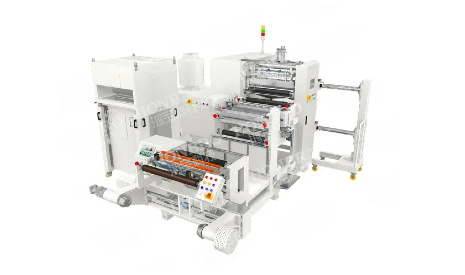
Slitting Techniques and Equipment Used in Battery Manufacturing
There are several techniques used in the precision slitting of electrode materials, each offering distinct advantages depending on the requirements of the production process. Below are some common methods used for precision slitting in the battery industry:
Slitting Technique | Description | Applications |
Rotary Slitting | Uses rotary blades to cut the foil into strips, providing high speed and precision. | Large-scale production of battery electrodes |
Straight Knife Slitting | A straight knife is used to cut the material, offering precise cuts with minimal distortion to the foil. | Custom slitting for specialized battery designs |
Laser Slitting | A laser is used to heat and vaporize the material, ensuring minimal mechanical stress and high precision. | High-precision cutting for complex designs or small batches |
Ultrasonic Slitting | Uses ultrasonic waves to cut the material, resulting in clean cuts without physical contact. | Delicate electrode materials, low-waste production |
Each method has its benefits and challenges, with the choice of technique depending on factors such as the material being used, the desired slitting speed, and the specific requirements for the electrode design.
Challenges in Achieving Precision in Slitting
While precision slitting is essential for high-quality battery production, several challenges can arise in ensuring consistent results:
1. Material Variability
Different electrode materials behave differently during the slitting process. For example, copper and aluminum foils are more likely to form burrs or edges that can affect the integrity of the electrode. These materials require specific slitting conditions and cutting speeds to prevent damage.
2. Machine Calibration and Maintenance
The equipment used in the slitting process must be carefully calibrated to ensure precision. Regular maintenance and calibration are necessary to avoid deviations caused by wear and tear, which could compromise the quality of the cuts.
3. Heat Generation
Slitting, particularly when using high-speed techniques like rotary slitting or laser slitting, generates heat. Excessive heat can cause the electrode material to warp or degrade, negatively affecting its performance. Cooling systems and slow cutting speeds help mitigate this issue.
4. Quality Control and Monitoring
In high-volume production, it’s crucial to have continuous monitoring systems in place to ensure that the slitting process remains accurate. Automated feedback loops that adjust the equipment when deviations are detected help maintain consistent results across all batches.
Conclusion
Precision slitting is a vital component of battery production, ensuring that electrodes are accurately and uniformly cut to the correct dimensions. This process directly impacts the energy density, performance, longevity, and efficiency of the final battery. By ensuring that the slitting process is precise, manufacturers can produce batteries that offer consistent performance, longer lifespans, and fewer defects.
At HONBRO, we understand the importance of precision in battery production. We offer cutting-edge solutions and expertise to help optimize your electrode slitting process, ensuring high-quality, high-performance batteries for your applications.
FAQ
Q: Why is precision slitting so important in battery production?
A: Precision slitting ensures uniform electrodes, which is critical for maintaining consistent performance, optimizing energy storage, and improving battery lifespan.
Q: What are the different slitting techniques used in battery manufacturing?
A: Common techniques include rotary slitting, laser slitting, straight knife slitting, and ultrasonic slitting, each suited for different production needs.
Q: Can precision slitting affect battery performance?
A: Yes, uneven slitting can lead to poor ion diffusion, increased internal resistance, and reduced energy efficiency, impacting battery performance.
Q: How do I achieve consistent slitting quality in production?
A: Regular machine calibration, careful material selection, cooling systems, and real-time monitoring of slitting parameters are essential for ensuring precision.


