In modern battery production, especially for industries such as electric vehicles, renewable energy storage, and consumer electronics, the assembly process plays a pivotal role in determining the quality, efficiency, and safety of the final product. A Battery Assembly Machine is designed to automate and streamline various steps of the assembly process, ensuring that each battery is produced with precision and consistency. Understanding the core functions of these machines is critical for manufacturers aiming to improve production efficiency and quality.
This article delves into the core functions of a Battery Assembly Machine, outlining the specific tasks they perform, the benefits they bring to the manufacturing process, and the key considerations for optimal usage. Whether you're a manufacturer looking to enhance your production line or someone new to the battery production process, this guide will provide valuable insights into the role and importance of battery assembly machinery.
1. What is a Battery Assembly Machine?
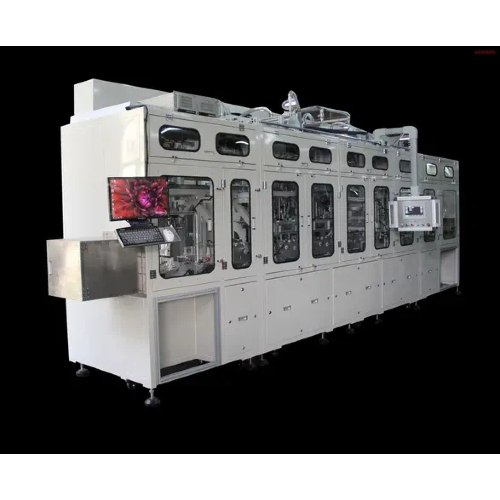
A Battery Assembly Machine is a sophisticated piece of equipment used in the manufacturing of batteries, particularly lithium-ion batteries. These machines are responsible for automating the various processes involved in assembling battery cells, including welding, electrolyte filling, separator placement, and sealing. The purpose of these machines is to increase efficiency, improve consistency, and reduce the likelihood of errors during production.
Types of Battery Assembly Machines
There are various types of Battery Assembly Machines used in different battery technologies. The most common types include:
Pouch Cell Assembly Machines: Used for assembling pouch-type batteries, which are flexible and lightweight.
Prismatic Cell Assembly Machines: Used for rigid rectangular batteries typically found in electric vehicles (EVs) and large-scale energy storage.
Cylindrical Cell Assembly Machines: Used for cylindrical battery cells, which are commonly used in consumer electronics.
These machines can be tailored to meet specific production requirements, including battery size, technology, and application.
2. Core Functions of a Battery Assembly Machine
The Battery Assembly Machine performs a series of critical functions that are essential for the manufacturing of high-quality and reliable batteries. Below are the key core functions of these machines:
a. Tab Welding
One of the most crucial steps in battery assembly is the tab welding process. The tabs are used to create electrical connections between individual cells in a battery pack. The welding process ensures that these tabs are securely connected to the battery cells, which is essential for the electrical performance of the battery.
Process and Importance:
The machine applies controlled heat and pressure to fuse the battery tabs to the battery cells.
Consistent welding is necessary to ensure high conductivity, mechanical stability, and long-term reliability of the battery.
Tab Welding Function | Importance |
Creates electrical contact | Ensures stable current flow across cells. |
Maintains mechanical strength | Prevents weld failures during battery use. |
Enhances battery safety | Reduces the risk of short-circuiting. |
b. Cell Insertion and Orientation
Cell insertion involves placing the battery cells into their designated positions within the assembly line. Proper orientation is crucial to ensure that the cells are aligned correctly for electrical connections.
Process and Importance:
The Battery Assembly Machine automatically inserts each cell into the assembly tray or frame with precision.
Orientation ensures that the terminals are correctly aligned for efficient electrical connection and optimal battery performance.
c. Separator Placement
Separators are vital components in batteries, particularly lithium-ion types, as they prevent short circuits by providing insulation between the positive and negative electrodes. The Battery Assembly Machine ensures that separators are placed correctly within the battery cell.
Process and Importance:
The machine precisely places separators between the anode and cathode.
Proper placement is essential for maintaining battery safety, preventing short circuits, and optimizing the overall battery performance.
Separator Placement Function | Importance |
Ensures insulation between electrodes | Reduces the risk of internal short circuits. |
Enhances battery lifespan | Prevents degradation of battery components. |
d. Electrolyte Injection
The electrolyte injection function involves filling the battery cells with a precisely measured amount of electrolyte. This is an essential step that impacts the battery's performance, longevity, and safety.
Process and Importance:
The Battery Assembly Machine carefully injects the electrolyte into each cell, ensuring that the correct volume is filled without overfilling or underfilling.
The electrolyte serves as the medium for ion flow between the battery’s anode and cathode, which is critical for the battery’s overall energy storage and release capabilities.
Electrolyte Injection Function | Importance |
Ensures uniform electrolyte distribution | Optimizes energy capacity and efficiency. |
Prevents overfilling or underfilling | Improves battery safety and reliability. |
e. Sealing and Closure
The final step in the battery assembly process is sealing and closure. This function ensures that the battery cells are securely sealed to prevent leakage of the electrolyte and other materials.
Process and Importance:
The Battery Assembly Machine applies sealing techniques such as heat sealing or ultrasonic sealing to ensure that the battery is airtight.
This step is crucial for the safety of the battery, as leaks can lead to electrolyte spills, contamination, or even hazardous reactions during use.
Sealing and Closure Function | Importance |
Prevents leakage | Ensures the integrity of the battery. |
Enhances battery safety | Reduces the risk of hazardous incidents. |
3. Additional Functions of Advanced Battery Assembly Machines
In addition to the core functions mentioned above, modern Battery Assembly Machines may also include advanced features to improve the efficiency and quality of the production process.
a. Testing and Quality Control
Battery testing is an integral function of the assembly process, helping to ensure that each battery meets the required quality standards. This function often involves both real-time testing and post-assembly testing.
Process and Importance:
Automated testing systems within the machine check for various parameters like voltage, capacity, and leakage.
Quality control processes such as visual inspections, electrical performance checks, and leak testing ensure that every battery meets safety and performance criteria before moving to the packaging stage.
Testing Function | Importance |
Voltage and capacity testing | Ensures each battery is functional. |
Leak and performance testing | Prevents faulty products from being shipped. |
b. Automation and Data Integration
The integration of automation and data systems allows manufacturers to optimize their production process and enhance operational efficiency.
Process and Importance:
Automation reduces the reliance on manual labor and enhances the speed and accuracy of assembly.
Data integration helps track and monitor every stage of the assembly process, ensuring that any deviations from the expected standards are immediately detected and corrected.
c. Packaging and Labeling
Once the battery cells are assembled and tested, they must be properly packaged and labeled. This function is typically automated in modern Battery Assembly Machines.
Process and Importance:
The machine groups the finished battery packs, applies protective packaging, and ensures that each unit is correctly labeled for identification.
Labeling includes key information like battery type, manufacturing date, and serial number, which is essential for traceability and regulatory compliance.
4. Benefits of Using a Battery Assembly Machine
The integration of a Battery Assembly Machine into a production line offers numerous benefits that enhance the manufacturing process.
Increased Production Efficiency
Battery assembly machines significantly reduce the time required to assemble each battery, increasing overall production throughput. Automation ensures that tasks are completed more quickly and accurately, reducing bottlenecks and downtime.
Consistent Quality
With automation comes the ability to achieve highly consistent and repeatable results. Machine-controlled processes such as welding, electrolyte injection, and sealing ensure that each battery is manufactured to the same high standard.
Reduced Human Error
By automating the assembly process, the risk of human error is minimized. Operators no longer need to perform repetitive and precise tasks, reducing the likelihood of mistakes that could affect the quality of the final product.
Enhanced Safety
Automated systems ensure that safety protocols are consistently followed, especially in critical processes like electrolyte filling and sealing. This reduces the risk of accidents or battery failures due to improper handling.
5. Challenges and Considerations in Battery Assembly
While Battery Assembly Machines offer numerous advantages, there are also challenges that manufacturers must be aware of when adopting these machines.
Handling Different Battery Types
As battery technology evolves, manufacturers may face challenges in adapting assembly machines to accommodate new battery designs, sizes, and chemistries. It’s important to select machines that can be easily reconfigured to handle different types of batteries.
Machine Calibration and Maintenance
To maintain optimal performance, Battery Assembly Machines require regular calibration and maintenance. Failure to perform regular checks can result in inconsistencies, poor-quality welds, or even machine failure.
Scalability and Adaptability
As demand for batteries increases, manufacturers must ensure that their assembly machines are scalable and can adapt to future production needs. It is essential to choose machines that can grow with the company and accommodate increasing production volumes.
6. Conclusion
Battery Assembly Machines are vital to the efficiency and precision of modern battery manufacturing. They automate critical processes such as tab welding, electrolyte injection, sealing, and testing, ensuring consistent, high-quality battery production. By leveraging advanced Battery Assembly Machines, manufacturers can optimize production speeds, reduce errors, and maintain strict quality standards, which are essential for staying competitive in today’s market.
At HONBRO, we specialize in providing state-of-the-art battery assembly solutions designed to meet the diverse needs of battery manufacturers. Our machines are engineered to enhance production efficiency while ensuring the highest levels of precision and reliability. With our expertise and cutting-edge technology, we can help you improve your production line and ensure long-term success in the competitive battery manufacturing industry.
If you're looking for advanced, reliable Battery Assembly Machines to elevate your production process, feel free to reach out to us. Our team is here to assist you in finding the best solution tailored to your needs, ensuring that your battery manufacturing process is optimized for success.
7. FAQ
What is the purpose of tab welding in battery assembly?
Tab welding creates electrical connections between battery cells, ensuring the proper flow of electricity and maintaining the structural integrity of the battery.
Why is electrolyte injection a critical function?
Electrolyte injection is essential for the battery's performance. The correct amount of electrolyte ensures efficient ion flow between the anode and cathode, optimizing energy storage.
How does automation improve battery assembly efficiency?
Automation speeds up the assembly process, reduces human error, and ensures consistent quality. It also allows for continuous production with minimal downtime.
What maintenance is required for a Battery Assembly Machine?
Regular calibration, inspection of key components, and cleaning are necessary to maintain machine performance and ensure consistent production quality.


