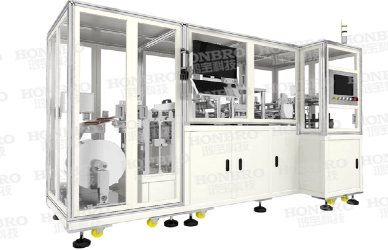
Battery electrode cutting machines play a crucial role in the production of high-quality battery components, particularly in the precise cutting of electrode materials used in lithium-ion and other batteries. These machines are designed to slice the anode and cathode foils into exact sizes and shapes required for battery assembly, ensuring uniformity and consistency in the final product. As the demand for more efficient and reliable batteries grows, the role of these machines becomes increasingly important. However, the performance and longevity of battery electrode cutting machines depend heavily on proper maintenance. Routine maintenance ensures smooth operation, prevents costly breakdowns, and maintains high cutting precision, ultimately leading to higher production efficiency and better-quality battery components. Regular maintenance not only extends the lifespan of the equipment but also minimizes downtime and improves overall productivity in battery manufacturing.
Understanding Battery Electrode Cutting Machines
1.Definition and Purpose
A battery electrode cutting machine is a specialized piece of equipment used in the manufacturing of battery electrodes, particularly in the production of lithium-ion batteries. Its primary purpose is to cut the anode and cathode materials, which are typically made of foil or film, into precise sizes and shapes required for further assembly. The accuracy of these cuts is crucial for ensuring the efficiency, performance, and consistency of the final battery cells. Without proper cutting, the battery components may not fit together correctly, potentially affecting battery capacity, longevity, and safety.
2.Key Components and Their Functions
Blades
The blades are the most critical component in a battery electrode cutting machine, responsible for making precise cuts in the electrode materials. These blades must be sharp and durable to ensure clean cuts without damaging the materials. Regular maintenance and replacement are essential to keep the cutting process efficient and accurate.
Feeding System
The feeding system controls how the electrode materials are fed into the cutting machine. It ensures the material is positioned correctly and fed through at a consistent speed, allowing for uniform cuts. The system may include rollers, guides, and conveyors that transport the material into the cutting area. Proper alignment of the feeding system is crucial for maintaining cutting precision.
Control Panel
The control panel allows operators to adjust settings such as cutting speed, blade pressure, and material alignment. It may include digital displays, buttons, and touchscreens to monitor the machine's performance and make necessary adjustments. A well-designed control panel is essential for smooth operation, enabling operators to fine-tune machine parameters to suit different materials and production requirements.
Essential Maintenance Tasks for Battery Electrode Cutting Machines
1.Blade Maintenance
Regular blade maintenance is essential for ensuring precise and clean cuts in the electrode materials. Over time, blades can become dull or damaged, leading to inaccurate cuts that may affect the quality of the final battery cells. Therefore, routine inspection is necessary to identify signs of wear and tear. Blades should be sharpened or replaced as needed to maintain cutting efficiency. Keeping the blades sharp also helps reduce material waste, as dull blades can cause the material to fray or tear during the cutting process.
2. Cleaning and Lubrication
Proper cleaning and lubrication of the machine are vital for minimizing wear and tear on moving parts. The cutting areas, including blades and material guides, should be cleaned regularly to prevent material buildup, which can obstruct movement or cause contamination. Additionally, lubricating moving components such as rollers, gears, and motors helps reduce friction, ensuring smooth operation and preventing premature wear. Regular cleaning and lubrication also contribute to extending the lifespan of the machine and improving overall production efficiency.
3. Calibration and Adjustment
To ensure that the cuts are accurate and consistent, regular calibration and adjustment of the machine are necessary. Over time, the machine's settings may drift, leading to incorrect cuts or misalignment. Calibration ensures that the cutting machine is properly adjusted for the thickness and material properties of the electrodes. Operators should periodically check the cutting depth, blade alignment, and feeding system to ensure the machine is performing optimally and producing precise cuts that meet quality standards.
4.Cooling System Checks
Battery electrode cutting machines generate heat during operation, particularly in the cutting area. If the machine overheats, it can lead to material degradation, reduced cutting efficiency, and even mechanical damage. Ensuring that the cooling system is functioning properly is crucial to prevent overheating. Regular checks should be performed on the cooling system, including inspecting cooling fans, fluid levels, and air circulation. Maintaining an efficient cooling system helps to regulate the machine's temperature, ensuring consistent performance and preventing heat-related damage.
Preventive Maintenance Practices for Battery Electrode Cutting Machines
1.Scheduled Inspections
Routine inspections are vital to ensure the smooth operation of battery electrode cutting machines. Regularly checking components like blades, feeding systems, and motors for wear or damage helps identify potential issues early, preventing costly repairs and downtime. Inspections should be done at set intervals based on usage or manufacturer recommendations.
2.Tool Management
An effective tool management system tracks the condition of blades and other components, ensuring timely sharpening, replacement, and availability of spare parts. This prevents cutting inefficiencies and delays caused by worn tools, while organized tool storage reduces damage and ensures readiness.
3.Operator Training
Training operators to spot early signs of problems, such as unusual noises or cutting errors, is essential. Operators should also be taught basic maintenance tasks, such as cleaning, lubrication, and blade replacement. Well-trained operators help minimize malfunctions, improve efficiency, and maintain production quality.
Common Issues and Solutions for Battery Electrode Cutting Machines
1. Misalignment
Issue: Misalignment of the material or blades can lead to uneven cuts and inaccurate slicing, affecting the quality of the battery components.
Solution: Regularly check and calibrate the feeding system and blade alignment to ensure proper material flow and cutting precision. Realigning the machine when necessary and adjusting the cutting parameters can prevent misalignment.
2. Blade Dullness
Issue: Over time, blades can become dull, resulting in poor cut quality, material tearing, and increased wear on other components.
Solution: Implement a routine schedule for blade inspection, sharpening, and replacement. Keeping the blades sharp ensures clean, precise cuts and reduces material waste.
3. Material Jams
Issue: Material jams can occur due to incorrect feeding, misaligned components, or build-up of debris. This leads to production delays and potential damage to the machine.
Solution: Regularly clean the feeding area and ensure proper material loading. Install sensors to detect jams early, allowing operators to quickly resolve the issue without causing further damage.
4. Inconsistent Cutting Precision
Issue: Inconsistent cuts can occur due to fluctuating machine settings, blade wear, or improper calibration, leading to variability in battery component sizes.
Solution: Calibrate the machine regularly to maintain consistent cutting accuracy. Ensure that the machine settings are properly adjusted based on material type and thickness to maintain uniformity in cuts.
5.Troubleshooting Techniques
To maintain consistent performance, operators should be trained to perform basic troubleshooting, such as:
Inspecting and adjusting machine settings.
Checking for any debris or wear in the feeding system.
Ensuring proper blade sharpness and alignment.
Addressing material flow issues quickly to prevent jams or misalignments.
FAQ:
1.How often should the blades of a battery electrode cutting machine be replaced?
Blades should be replaced when they show signs of wear, such as dullness or damage. The frequency of replacement depends on the material being cut and the amount of usage, but regular inspections are necessary to ensure the blades remain sharp for optimal performance.
2.What signs indicate that the cooling system in a cutting machine needs maintenance?
Signs that the cooling system needs maintenance include unusual noises, reduced cooling efficiency, overheating of the machine, or temperature warnings. Regularly checking coolant levels, fans, and temperature sensors can help identify cooling issues before they affect machine performance.
3.What are the risks of neglecting preventive maintenance on battery electrode cutting machines?
Neglecting preventive maintenance can lead to machine malfunctions, decreased cutting accuracy, increased downtime, and higher repair costs. Over time, it can also shorten the machine's lifespan, leading to more frequent breakdowns and production delays.
4.How can operator training help prevent issues in battery electrode cutting machines?
Proper operator training helps in identifying early signs of problems, such as unusual sounds or misalignment. Trained operators can perform basic maintenance tasks, troubleshoot issues promptly, and ensure the machine operates efficiently, preventing costly errors and downtime.
Conclusion
Routine maintenance and proper care are fundamental to ensuring the longevity, efficiency, and reliability of battery electrode cutting machines. These machines play a critical role in battery production, and regular tasks such as blade maintenance, cleaning, calibration, and cooling system checks are essential for keeping them running smoothly. Regularly inspecting and maintaining these key components prevents costly breakdowns, reduces downtime, and ensures consistent cutting precision, all of which are crucial for maintaining high-quality production standards. By following a well-structured preventive maintenance plan, manufacturers can significantly extend the lifespan of their equipment, improve overall operational performance, and reduce the likelihood of unexpected repairs. Proper maintenance not only boosts machine efficiency but also contributes to the continuous, reliable production of high-quality battery components. Ultimately, investing in routine care is essential to optimize performance, reduce operational disruptions, and ensure a stable and efficient manufacturing process.


