Introduction
In the ever-evolving world of battery technology, the demand for higher performance, longer-lasting, and more efficient batteries has never been greater. Whether it's powering electric vehicles, smartphones, or renewable energy storage systems, batteries are at the heart of modern technology. One of the key contributors to improving battery performance is the manufacturing process itself, particularly the production of electrodes. This is where the electrode-making machine plays a crucial role.
An electrode-making machine is a specialized device that automates and streamlines the process of producing the electrodes used in batteries. These machines ensure that the electrodes are manufactured with precision and consistency, which directly impacts the overall performance of the battery. But how exactly does an electrode-making machine improve battery performance? This article explores the significant ways in which these machines enhance battery quality, efficiency, and longevity.
The Role of Electrode Making Machines in Battery Manufacturing
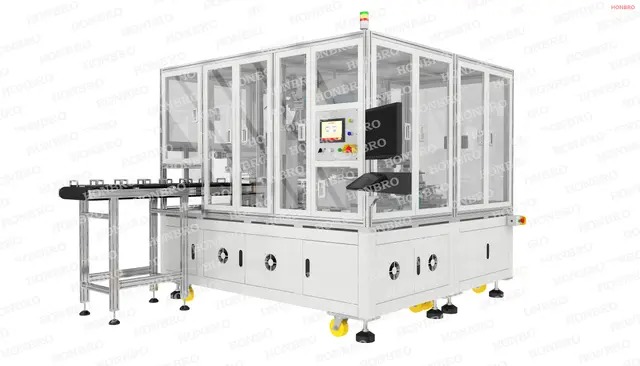
The electrode-making process is integral to the overall battery production process. Electrodes serve as the core components that store and release energy within a battery, and they play a critical role in determining the performance, safety, and lifespan of the battery. An electrode-making machine simplifies and optimizes the production of both anode and cathode electrodes, ensuring that each electrode meets the stringent standards required for high-performance batteries.
Electrode-making machines automate several key stages of electrode production, such as:
Mixing and preparing electrode materials: The machine ensures a homogeneous mixture of active materials, conductive additives, and binders.
Coating: A thin, uniform layer of the electrode material is applied to the current collector, which is crucial for energy efficiency.
Drying: The coated electrodes are dried to remove excess solvents and moisture, which can affect performance.
Pressing and calendaring: The electrodes are compressed to achieve the desired thickness and density.
By automating these processes, the electrode-making machine reduces human error, increases throughput, and ensures that each batch of electrodes meets the required specifications. This directly translates to improved consistency and quality in the final battery product.
How Electrode Making Machines Affect Battery Efficiency
Battery efficiency is one of the primary concerns when designing energy storage systems. The efficiency of a battery depends largely on the materials used in the electrodes, as well as the precision with which they are manufactured. Electrode-making machines contribute to this efficiency in several ways:
Precision in Material Application
The uniformity of the electrode coating is essential for ensuring optimal energy storage and discharge. Any inconsistencies in the electrode's material distribution can lead to inefficient energy transfer, which can degrade battery performance. Electrode-making machines are designed to apply the active material in a controlled and precise manner, ensuring that each electrode has the correct thickness and density. This precision contributes to higher energy efficiency by optimizing the surface area of the electrodes available for charge/discharge cycles.
Reduction of Overcharging and Undercharging
Electrode-making machines help to ensure that the electrodes are properly aligned and calibrated, reducing the likelihood of overcharging or undercharging issues during the battery's lifecycle. This results in more consistent energy output and better overall battery performance, preventing premature degradation of the battery's capacity.
Improving Energy Density with Advanced Electrode Manufacturing
One of the key metrics in battery performance is energy density—the amount of energy a battery can store relative to its size. The higher the energy density, the longer the battery can last on a single charge. Electrode-making machines directly influence the energy density of batteries by enabling the production of electrodes with optimized material distribution and structural integrity.
Optimized Electrode Materials
Modern electrode-making machines can handle a variety of advanced materials, including high-capacity anode materials like silicon and high-performance cathode materials such as lithium cobalt oxide. These materials require precise handling and application to maximize their potential. By using an electrode-making machine, manufacturers can ensure that these advanced materials are properly incorporated into the electrode structure, resulting in improved energy density.
Thicker Electrodes for Higher Energy Storage
Electrode-making machines also allow for the creation of thicker electrodes without compromising the battery's overall performance. Thicker electrodes can store more active material, which directly increases the battery's capacity and energy density. Advanced machines can apply coatings with high precision to ensure that thicker electrodes do not result in structural weaknesses that could compromise the battery's lifespan.
Enhanced Uniformity and Consistency in Electrode Production
Consistency in the production of electrodes is paramount for achieving uniform battery performance across different units. Variability in electrode thickness, material application, and overall structure can lead to significant differences in battery performance, reducing their reliability and longevity.
Electrode-making machines significantly improve the uniformity of electrode production in the following ways:
Automated Coating Process: The machine ensures that the electrode material is applied evenly, resulting in electrodes with consistent properties across all units.
Precision Pressing: Pressing the electrodes to a specific density ensures that all units meet the desired specifications, enhancing the overall battery performance.
By eliminating the potential for human error and increasing the level of control during the production process, electrode-making machines help create batteries with consistent performance characteristics.
Reduction of Manufacturing Defects and Waste
Manufacturing defects and waste are significant challenges in battery production. The process of electrode fabrication is complex and requires careful attention to detail at each stage. Inconsistent electrode quality can lead to faulty batteries, which may fail prematurely or pose safety risks. Additionally, waste generated during production can drive up costs and negatively impact the environment.
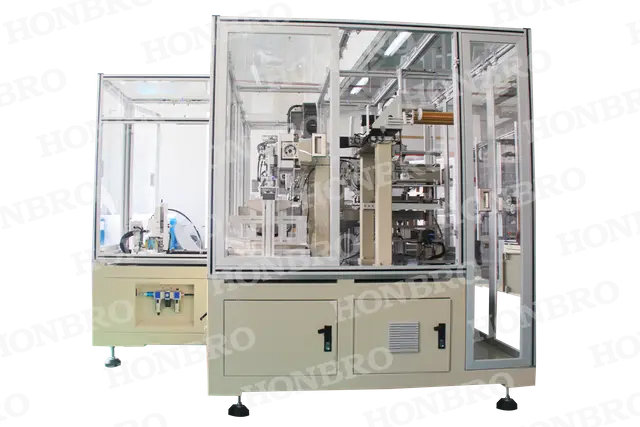
Electrode-making machines address these challenges by:
Minimizing Defects: The automated and precise nature of the machine reduces the likelihood of defects such as uneven coating or incorrect material proportions.
Efficient Use of Materials: The machines ensure that the electrode materials are used optimally, reducing waste during the production process.
Increased Yield: With fewer defects and less waste, the overall yield of high-quality electrodes increases, making the manufacturing process more cost-effective.
This efficiency not only improves the bottom line but also makes battery production more sustainable by reducing material waste.
Electrode Making Machines and Cost-Effectiveness in Battery Production
The cost of manufacturing batteries is a key factor that influences their price in the market. While advanced battery technologies promise higher performance, they can also be more expensive to produce. However, electrode-making machines help manufacturers reduce costs in several ways:
Reduced Labor Costs
By automating the electrode production process, electrode-making machines minimize the need for manual labor, which is both time-consuming and prone to error. This results in lower labor costs and higher production efficiency.
Lower Defect Rates
The reduced defect rate resulting from the use of automated machines means fewer rejected products, which can otherwise lead to increased material costs and waste. This contributes to a more cost-effective production process, helping to bring down the overall cost of battery manufacturing.
The Future of Electrode Making Machines in Battery Technology
As battery technology continues to advance, the role of electrode-making machines will only become more significant. The development of new materials, such as solid-state batteries, and the increasing demand for higher-capacity and longer-lasting batteries will place more pressure on manufacturers to produce electrodes with ever-increasing precision and efficiency. The future of electrode-making machines lies in their ability to adapt to these challenges and integrate with cutting-edge technologies such as artificial intelligence and machine learning for even greater process optimization.
Conclusion
In conclusion, electrode-making machines play a vital role in improving battery performance by ensuring the precise, efficient, and consistent production of high-quality electrodes. From enhancing energy density to reducing waste and defects, these machines contribute directly to the overall efficiency, cost-effectiveness, and longevity of batteries. As battery technology continues to evolve, the role of electrode-making machines will remain central to meeting the increasing demand for high-performance, sustainable, and cost-effective batteries.
FAQs
1. How do electrode-making machines impact battery lifespan?
Electrode-making machines contribute to battery lifespan by ensuring that the electrodes are manufactured with uniformity and precision. This helps prevent issues such as overcharging, undercharging, and premature degradation, all of which can shorten a battery's life.
2. Are electrode-making machines only used for lithium-ion batteries?
No, electrode-making machines are used for a variety of battery types, including lithium-ion, solid-state, and even emerging technologies like sodium-ion batteries. They are adaptable to the requirements of different electrode materials and battery chemistries.
3. Can electrode-making machines help reduce battery production costs?
Yes, by automating the production process, reducing defects, and minimizing waste, electrode-making machines help reduce labor costs and improve overall manufacturing efficiency, leading to cost savings in battery production.
4. What are the environmental benefits of using electrode-making machines?
Electrode-making machines contribute to more sustainable manufacturing by reducing material waste and increasing the efficiency of resource usage. This minimizes the environmental impact of battery production.


