Battery safety is a critical concern in the manufacturing and operation of rechargeable batteries, particularly lithium-ion batteries, which are widely used in applications ranging from electric vehicles (EVs) to portable electronics. One of the potential dangers during the production and use of these batteries is gas accumulation, which can lead to dangerous outcomes such as swelling, leakage, and even thermal runaway.
The Battery Degassing Sealing Machine plays an essential role in preventing these safety risks by ensuring that any unwanted gases are removed from the battery cells before they are sealed. By integrating this technology into the production process, manufacturers can improve battery safety, increase longevity, and enhance performance.
In this article, we will explore how a Battery Degassing Sealing Machine works, why gas management is crucial for battery safety, and the various benefits that degassing brings to the manufacturing process. We will also highlight best practices and common issues related to degassing and sealing in battery production.
1. What is a Battery Degassing Sealing Machine?
A Battery Degassing Sealing Machine is a specialized piece of equipment designed to remove excess gases from battery cells before they are sealed. During the battery manufacturing process, gases can be generated from several sources, such as the electrolyte decomposition, overcharging, or temperature fluctuations. If these gases are not removed, they can cause various safety issues during the battery's operation.
Functions of a Battery Degassing Sealing Machine
The core functions of a Battery Degassing Sealing Machine include:
Degassing: The machine uses various methods to extract gas from the battery cells, typically by vacuum or pressure systems, ensuring that no excess gases remain before sealing.
Sealing: Once the gas is removed, the machine seals the battery cells tightly to prevent any external air or moisture from entering, which could compromise the battery's performance and safety.
By performing both these tasks, the Battery Degassing Sealing Machine ensures that the battery is free from dangerous gas buildup and is sealed to prevent any leaks during its lifecycle.
2. The Importance of Degassing in Battery Manufacturing
In any battery manufacturing process, managing the gas content within the cells is crucial to ensuring both performance and safety. Let's explore the significance of degassing during battery production:
a. Gas Generation in Batteries
Gas can be generated in a battery during the manufacturing process or even during its operation. Several factors contribute to gas formation, including:
Electrolyte Decomposition: Overcharging, high temperatures, or improper chemical composition of the electrolyte can lead to gas formation. Common gases generated include oxygen, carbon dioxide, and hydrogen.
Temperature Fluctuations: Batteries operating in high-temperature environments may experience gas buildup due to heat-induced chemical reactions, which could lead to swelling and leakage if not managed properly.
Overcharging: If a battery is overcharged, it can cause the electrolyte to break down, resulting in the release of gases.
Source of Gas Generation | Possible Gases Produced |
Electrolyte Decomposition | Oxygen, Carbon Dioxide, Hydrogen |
Temperature Fluctuations | Oxygen, Carbon Monoxide, Methane |
Overcharging | Hydrogen, Oxygen |
b. Risks of Gas Accumulation
The accumulation of gases inside a battery can lead to several dangerous consequences:
Swelling: Gas buildup inside the cell can cause it to swell, compromising the structural integrity of the battery. This can lead to mechanical failures or even cause the battery to rupture.
Leakage: Excess gas can result in leakage of electrolyte or other battery components, which may cause electrical shorts, contamination, or even fires.
Thermal Runaway: Gas buildup can lead to an increase in internal pressure, and if not properly managed, it could trigger thermal runaway, a chain reaction that can cause the battery to catch fire or explode.
Proper degassing removes these gases, preventing these potential hazards and ensuring that the battery remains safe throughout its life cycle.
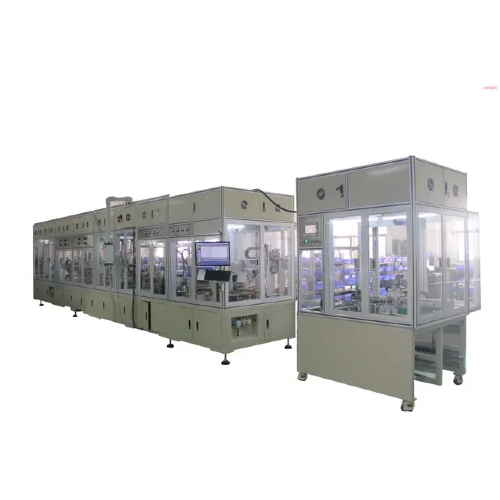
3. How a Battery Degassing Sealing Machine Works to Improve Safety
The Battery Degassing Sealing Machine plays a vital role in battery production by removing excessive gases from the cells before they are sealed. The process involves several critical steps to ensure that no gas remains trapped inside the cells, which could compromise the battery's safety and performance.
a. Degassing Process
The degassing process begins once the battery cells are assembled, and all the necessary components, such as electrodes and separators, are in place. The key function of the degassing machine is to create a vacuum or apply pressure to the battery cells, which removes the trapped gases.
Vacuum Degassing: The machine uses a vacuum pump to create low pressure inside the cell, causing gases to expand and escape from the battery. This method is particularly effective in removing gases produced during the electrolyte filling process.
Pressure-Based Degassing: Alternatively, pressure can be applied to push the gas out of the battery cell. This method ensures that any residual gases that are not removed by vacuum degassing are efficiently expelled.
b. Sealing Process
Once the degassing process is complete, the Battery Degassing Sealing Machine proceeds to the sealing stage. This is crucial to ensure that the battery is airtight and protected from external elements that could lead to degradation or failure.
Heat Sealing: In this method, the machine applies heat to the edges of the battery cell casing, causing the materials to melt and fuse together. This creates a secure and airtight seal that prevents gas leaks and contamination.
Ultrasonic Sealing: In some cases, ultrasonic waves are used to create vibrations that generate heat, causing the battery casing to seal tightly. This method is known for its precision and speed.
Degassing Process | Sealing Process |
Vacuum Degassing | Heat Sealing |
Removes trapped gases by reducing pressure. | Fuses the cell casing using heat to create an airtight seal. |
Pressure-Based Degassing | Ultrasonic Sealing |
Applies pressure to force gas out of the cell. | Uses ultrasonic waves for precise and quick sealing. |
4. Benefits of Using a Battery Degassing Sealing Machine for Safety
Implementing a Battery Degassing Sealing Machine in the manufacturing process provides multiple benefits, particularly related to battery safety, performance, and longevity.
a. Enhanced Battery Durability
By removing unwanted gases and creating an airtight seal, the degassing and sealing machine prevents internal battery damage. Proper degassing ensures that the battery is free of excessive gas buildup, which could otherwise lead to swelling and premature failure.
Longer Lifespan: A battery that has been properly degassed and sealed operates more efficiently and experiences less wear over time.
Reduced Chemical Degradation: Without excess gas inside the cell, the electrolyte remains stable, preventing degradation that could otherwise shorten the battery's life.
b. Improved Battery Performance
Precise degassing and sealing allow for optimal internal conditions, which in turn enhance battery performance. A properly degassed battery functions more effectively in terms of energy storage and discharge, resulting in better overall performance.
Stable Electrolyte: Removing gases ensures the electrolyte can function without interference, providing efficient ion flow between electrodes.
Consistent Power Output: With gas-free cells, the battery maintains steady power output during operation, ensuring reliable energy supply for applications.
c. Prevention of Safety Hazards
The main purpose of degassing is to prevent the dangerous accumulation of gases that can lead to swelling, leakage, or even explosions. By implementing a Battery Degassing Sealing Machine, manufacturers can mitigate these risks:
Leak Prevention: Sealing the battery effectively prevents the leakage of electrolyte or gases, ensuring that the battery remains safe throughout its lifecycle.
Prevents Overheating and Fire Hazards: Proper degassing reduces the risk of thermal runaway by eliminating gas buildup that could increase internal pressure.
5. Common Issues Addressed by Battery Degassing Sealing Machines
Battery manufacturers often encounter several challenges when degassing and sealing cells. A Battery Degassing Sealing Machine addresses these challenges effectively:
a. Gas Leaks
Even minor gas leaks can compromise battery performance and safety. The Battery Degassing Sealing Machine ensures that all gas is removed, and the battery is sealed tightly, reducing the likelihood of leaks.
b. Inefficient Sealing
Improper sealing can lead to electrolyte leakage or contamination, which can degrade the battery. Degassing machines ensure that the battery is sealed properly, preventing any unwanted substances from entering the cell.
c. Inconsistent Gas Removal
Inconsistent degassing can lead to pockets of gas being trapped inside the battery, causing performance issues. By using automated and controlled degassing processes, these machines ensure consistent results for each battery produced.
6. Maintenance and Best Practices for Battery Degassing Sealing Machines
To ensure optimal performance, regular maintenance and calibration of the Battery Degassing Sealing Machine are essential.
a. Regular Calibration
Calibration ensures that the machine is accurately removing gas and sealing the batteries. Regular checks help maintain precision and prevent errors in the degassing and sealing process.
b. Preventive Maintenance
Routine maintenance, such as checking for wear and tear on seals, pumps, and sensors, is critical for maintaining machine efficiency. Preventive care reduces downtime and ensures long-term functionality.
c. Real-Time Monitoring
Continuous monitoring of gas levels and seal quality during production helps detect issues early and make adjustments in real time, ensuring consistent battery quality.
7. Conclusion
The Battery Degassing Sealing Machine plays a crucial role in enhancing battery safety, performance, and longevity by efficiently removing excess gas from battery cells and ensuring secure, airtight seals. By investing in high-precision degassing and sealing technology, manufacturers can significantly reduce the risk of safety hazards like leakage and swelling, while improving the overall performance and durability of the batteries. This advanced technology is integral to the modern battery production process, ensuring that every battery cell produced is both safe and efficient for use in a wide range of applications.
At HONBRO, we specialize in providing state-of-the-art Battery Degassing Sealing Machines designed to meet the highest industry standards. Our machines offer unparalleled precision and reliability, helping manufacturers optimize their production processes and achieve consistent, high-quality results.
If you're looking to enhance your battery production line and ensure top-notch safety and performance, we invite you to connect with us. Our team is ready to assist you in finding the best solution tailored to your needs, ensuring the long-term success of your battery manufacturing operations. Let’s work together to improve your production efficiency and battery quality.
FAQ
What is the role of a Battery Degassing Sealing Machine in battery production?
It removes excess gases from battery cells and ensures the cells are sealed tightly, preventing gas buildup that could lead to performance issues or safety hazards.
Why is gas buildup dangerous in batteries?
Gas buildup can cause swelling, leakage, and internal pressure that may lead to thermal runaway or battery explosions, compromising safety.
How does a Battery Degassing Sealing Machine improve battery performance?
By removing unwanted gases, the machine ensures that the electrolyte functions optimally, leading to better energy storage and consistent power output.
What maintenance is required for a Battery Degassing Sealing Machine?
Regular calibration, cleaning, and inspection of components like pumps and seals are necessary to ensure the machine operates efficiently and maintains precision over time.


