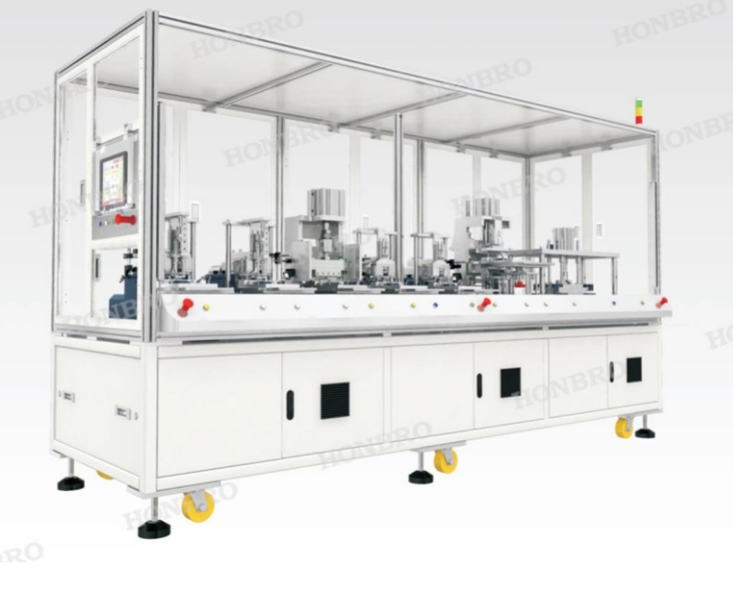
Are you still relying on manual machines for electrode production? In today’s fast-paced manufacturing world, the choice between manual and automated electrode making machines can significantly affect your productivity and quality. Electrode making machines are essential in industries like welding, automotive, and aerospace, where precision is key. In this post, we’ll discuss the differences between manual and automated systems, and help you determine which one best suits your needs.
The Basics of Electrode Making Machines
What is an electrode?
Electrodes are essential components in welding and metalworking. They serve as the filler material that joins two pieces of metal together during the welding process. The quality of the electrode plays a critical role in the strength and durability of the weld. Key factors determining electrode quality include consistency and durability. Consistency ensures the electrode produces a smooth, stable arc, while durability is crucial for preventing premature wear during welding. A high-quality electrode is able to withstand intense heat and provide a reliable, long-lasting bond.
How Electrode Making Machines Work
Electrode making machines are responsible for transforming raw materials into finished electrodes. The manufacturing process begins with wire drawing, where metal wires are pulled through a machine to reduce their diameter. This process is followed by coating, where a layer of material is applied to the wire to enhance the welding process. In manual systems, workers perform these steps by hand, offering flexibility for custom designs. However, automated machines streamline the process, allowing for faster production with higher consistency. Automated systems can perform each step precisely, from wire drawing to coating, reducing human error and ensuring uniform quality across large production batches. The steps in an automated system typically include:
Wire Drawing – Reducing the wire diameter to the desired size.
Coating – Applying a protective layer to the wire.
Extrusion – Shaping the electrode, ensuring it meets the specifications required for welding applications. While manual machines can handle small batches and custom electrodes, automated machines excel in high-volume, mass production environments, offering superior efficiency and quality control.
Manual Electrode Making Machines: Pros and Cons
Pros of Manual Electrode Making Machines
Greater FlexibilityManual machines are incredibly flexible, allowing for custom and specialized electrodes. Whether it's a unique design or a small batch, they can adapt to meet specific welding job requirements. This makes them ideal for projects that need a personal touch or special configurations.
Lower Initial InvestmentFor businesses working on a smaller budget, manual machines are more affordable than automated systems. They don't require large upfront costs, making them an accessible option for smaller businesses or startups. If you're not yet ready to invest in high-end automation, manual machines offer a cost-effective solution.
Suitability for Complex TasksManual machines shine when dealing with intricate electrode designs. They are great for tasks that require skilled craftsmanship, such as custom welding applications. This hands-on approach ensures precision in designs that might be too complex for automated systems.
Advantages in Non-Repetitive JobsManual machines work well for jobs that don't need high-volume or repetitive production. If you're handling a few unique pieces or repairs, a manual machine will give you the control needed to get it just right, without the need for mass production.
Cons of Manual Electrode Making Machines
Lower ProductivityManual machines are much slower than automated systems. This slow pace can impact overall productivity, especially when large production volumes are required. For businesses with high production demands, this could lead to delays and longer lead times, affecting efficiency in the long run.
Inconsistent QualityThe quality of electrodes produced by manual machines can vary. Human error, fatigue, or lack of attention can result in inconsistencies, such as uneven coating or improper sizing. This lack of precision can lead to defects, compromising the overall quality of the electrodes.
Higher WasteManual systems often generate more waste compared to automated machines. Since there’s less control over material usage, mistakes or inefficiencies during production can lead to wasted materials, increasing overall costs and reducing profitability.
Safety RisksWorking manually exposes operators to certain risks, such as handling heavy machinery and dealing with potentially harmful materials. There’s also the risk of accidents during machine operation, especially when workers are tired or working in high-pressure environments.
Automated Electrode Making Machines: Pros and Cons
Pros of Automated Electrode Making Machines
Increased Speed and ProductivityAutomated systems can produce electrodes much faster than manual machines. They handle high-volume manufacturing with ease, ensuring quicker turnaround times. With automation, production is more consistent and uninterrupted, making it ideal for businesses needing large quantities of electrodes.
Improved Consistency and QualityAutomation ensures precise control over size, material composition, and coating. Each electrode is produced to the same high standard, minimizing human error. This leads to consistent, high-quality products without the variability seen in manual processes.
Lower Long-Term Labor CostsBy reducing the need for manual labor in repetitive tasks, automated machines significantly cut down operational costs. Once set up, they can run for long periods, producing more electrodes with less oversight. This increase in throughput makes it more cost-effective for large-scale production.
Reduced WasteAutomated systems are designed to optimize material usage. With precise control, they minimize excess waste, ensuring that each electrode is made using the right amount of material. This efficiency reduces costs and improves profitability.
Enhanced SafetySince automated systems limit human interaction, there is less exposure to hazardous machinery. Operators can oversee the process from a distance, reducing the risks associated with manual labor. The machines are often equipped with safety features to protect workers from accidents.
Cons of Automated Electrode Making Machines
Higher Initial InvestmentThe upfront cost of automated systems can be quite high. This includes not only the machines themselves but also the necessary setup and installation. For small and medium-sized businesses, this can pose a significant financial challenge. Many companies may lack the necessary cash flow or access to capital to cover these expenses. As a result, automation may seem like an unattainable goal, especially for businesses just starting or those operating on tight budgets. Despite the long-term savings, the initial investment can be a substantial barrier.
Less FlexibilityWhile automated machines excel in high-volume production, they are often designed to handle standardized products efficiently. This can be a limitation when it comes to more intricate or custom electrode designs. If you need to produce small batches or electrodes with unique specifications, manual machines might be better suited. The rigidity of automated systems makes it difficult to adapt quickly to variations in production, making them less ideal for industries or applications that require frequent adjustments or specialized tasks.
Potential DowntimeAutomated systems, like all machinery, are susceptible to breakdowns and malfunctions. When these issues arise, the production process can come to a halt, leading to costly downtime. Repairs or maintenance are necessary to keep systems running smoothly, but they can disrupt the overall production schedule. For businesses with tight timelines or large orders, this downtime can result in delayed shipments and missed deadlines. The cost of repairs, coupled with lost production time, can add up quickly, affecting profitability and customer satisfaction.
Key Trends Shaping the Future of Electrode Making Machines
Sustainability in Electrode Manufacturing
Environmental ImpactManufacturers are shifting towards eco-friendly practices to reduce their environmental footprint. Energy-efficient machines help minimize waste and lower energy consumption. This movement is driven by both regulatory requirements and the desire to create more sustainable manufacturing processes.
Material EfficiencyAdvances in material optimization are helping manufacturers reduce scrap and waste. By improving electrode quality, these innovations ensure that less material is wasted during production. This not only helps the environment but also cuts down on production costs.
Integration with AI and IoT
Smart ManufacturingAI-driven systems are increasingly being used to monitor production in real time. These systems can detect any variations, ensuring consistent quality control throughout the process. AI also allows for better decision-making by analyzing large sets of data from the machines, leading to smoother operations.
IoT IntegrationIoT technology connects machines to the internet, enabling real-time performance tracking. By collecting data continuously, manufacturers can optimize their processes and perform predictive maintenance, which helps avoid unexpected downtime. IoT makes the production process more transparent and manageable.
Customization and Adaptability
Flexible Production SystemsNew advancements in automated systems allow for easier switching between different electrode sizes, types, and compositions. This flexibility makes it possible to quickly adjust to changing customer demands without significant downtime. Automated machines are now more adaptable, handling both high-volume production and specialized tasks.
Choosing the Right Machine for Your Needs
Factors to Consider When Choosing Between Manual and Automated Systems
Production VolumeAre you focused on high-volume production or smaller, specialized batches? Automated systems are ideal for mass production, providing faster output and more efficiency. However, manual systems excel in custom, low-volume runs where flexibility is essential.
Complexity of the TaskConsider whether you need simple electrodes or intricate designs. Manual machines allow for fine craftsmanship and adaptability for complex tasks. Automated machines are better suited for consistent, high-quality production of standardized electrodes.
BudgetThe upfront cost of automated machines can be steep. Manual systems have lower initial costs but might incur higher long-term operational expenses due to labor and inefficiency. Balancing your budget with your production goals is key when deciding.
Quality ControlConsistency in quality is crucial for many applications. Automated machines excel in maintaining uniformity, minimizing defects. Manual systems can produce high-quality electrodes but may vary depending on the operator’s skill and attention to detail.
Maintenance and DowntimeAutomation offers faster production but requires regular maintenance. Automated systems can have downtime if machines break or need repairs. Manual machines, though slower, may be easier to maintain and have fewer disruptions.
Safety and Worker WelfareAutomated machines reduce direct human interaction, minimizing exposure to potential hazards. Manual systems, on the other hand, often involve more hands-on work, which can pose risks related to heat, fumes, and repetitive strain injuries.
Conclusion: Which is Better for You?
Manual Machines Ideal for flexibility and smaller-scale production, especially for specialized tasks where precision is not the main focus.
Automated Machines Best suited for high-volume production, providing consistent quality, speed, and reducing labor costs.
Hybrid Approach Combining manual and automated systems offers flexibility and productivity, ensuring efficiency and high-quality results.
FAQ
Q: What is the primary difference between manual and automated electrode making machines?
A: Manual machines are flexible and suited for custom, low-volume production, while automated machines are designed for high-volume, standardized production, ensuring consistent quality and speed.
Q: Can automated electrode making machines be customized for unique tasks?
A: Yes, automated systems can be adjusted to handle different sizes, compositions, and types of electrodes. However, they are more suited for high-volume, standardized production and may have limitations in customization.
Q: Are manual machines still relevant in today's manufacturing world?
A: Yes, manual machines remain essential for niche and customized electrode production. They are perfect for industries requiring flexibility or small batch runs that automated machines may not handle efficiently.
Q: How much does an automated electrode making machine cost?
A: The cost of automated machines can vary significantly depending on the machine's size, capabilities, and technology. They generally require a larger initial investment compared to manual systems, but offer long-term cost savings due to efficiency and reduced labor costs.
Q: What are the maintenance requirements for automated electrode making machines?
A: Automated machines require regular maintenance, including system checks, cleaning, and occasional repairs. Proper maintenance ensures consistent performance and reduces the risk of costly downtime. This can be a significant factor to consider when evaluating automation.
Call to Action
Encourage readers to assess their production needs carefully and choose the machine type that best fits their business model, whether it's manual for flexibility or automated for efficiency.
Honbro is a national high-tech enterprise integrating R&D, design, manufacturing, sales and service of lithium battery automation production equipment and a private technology enterprise in Guangdong Province.