Have you ever wondered how the electrodes that power the welding industry are made? These machines play a crucial role in producing the components that drive the welding process. In this article, we’ll explore how electrode making machines work, their significance in industries like construction, automotive, and aerospace, and how they’ve evolved over time. You’ll learn about the step-by-step process involved and why understanding these machines is essential for modern manufacturing.
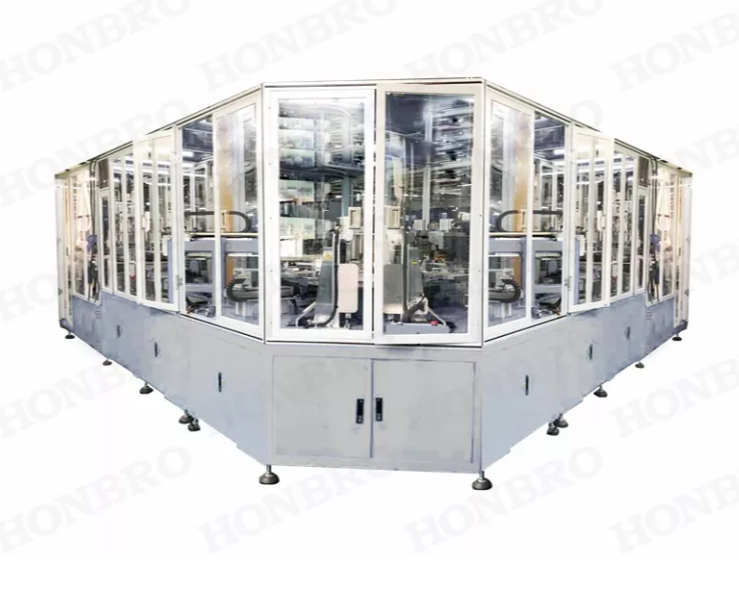
What Is an Electrode Making Machine?
Definition and Purpose
An electrode making machine is a specialized piece of equipment designed to produce welding electrodes. It plays a vital role in ensuring that electrodes are consistent and ready for the welding process. Electrodes are essential for conducting the electrical current that creates the arc in welding, enabling materials to be fused together. These machines ensure the right balance of strength and stability in the electrode coating. A good electrode helps welders achieve strong and clean welds in various applications, such as in construction, automotive manufacturing, and aerospace industries.
Components of an Electrode Making Machine
An electrode making machine consists of several key components that work together to create high-quality electrodes:
Mixing Units: These are responsible for combining raw materials like powders, binders, and additives to create the electrode coating. The mixture must be precise to ensure a strong and stable electrode.
Wire Feeders: These feed the steel wire, which forms the core of the electrode. The wire must be straightened and evenly fed through the machine for coating.
Extrusion Presses: The extrusion press applies the coating to the wire. It ensures the coating is applied evenly and consistently, which is crucial for electrode quality.
Drying Ovens: Once the electrode is coated, it passes through a drying oven to remove excess moisture. This ensures the coating stays intact and doesn't crack during use.
Packing Machines: After electrodes are made, they’re packaged for storage and distribution. This process ensures they’re kept safe from moisture and contamination until they’re ready to be used.
Conveyor Systems: These help transport the electrodes through various stages of the manufacturing process, ensuring smooth transitions between different components and stages. Each part has a unique function that contributes to the overall process of creating a quality electrode. Without these components working together, it would be nearly impossible to produce electrodes efficiently or consistently.
Step-by-Step Process of Electrode Manufacturing
1. Raw Material Preparation
Material Selection
To create high-quality electrodes, specific materials are needed. The core wire is usually made of steel, while the coating uses a blend of iron powder, mineral powders, and binders. These materials are selected for their ability to conduct electricity and form a strong weld. The combination of these ingredients ensures the right properties for different welding tasks.
Weighing and Blending
Machines use digital scales to weigh each ingredient with high precision. The raw materials are then blended using mixers. This step is crucial, as the right ratios ensure that the electrode coating is consistent and durable. Accurate blending helps achieve the ideal balance for coating strength, which is essential for successful welding.
2. Slurry Mixing
How is the Powder Turned into Slurry?
Once the materials are prepared, they are turned into a slurry. Water or light oil is added to the powder mix to create a paste-like consistency. This slurry is what will coat the steel wire.
Consistency of Slurry
The slurry must have the perfect thickness. If it’s too thin, it won’t coat properly; if it’s too thick, it could form lumps. Equipment like water tanks and agitators ensure the slurry is smooth and even, enabling consistent coverage.
3. Core Wire Feeding
Feeding the Steel Wire
The steel wire serves as the electrode's core. It’s pulled from large coils and passed through a straightening system. Straightening is key to ensure the wire remains uniform in shape, preventing bends that could affect the coating.
Straightening and Speed Control
Straightening rollers align the wire as it moves through the machine. The speed control adjusts how quickly the wire feeds, which is essential for achieving consistent coating. The correct speed ensures that the wire receives a uniform amount of coating.
4. Coating Application
Methods of Applying the Coating
The slurry is applied to the steel wire using various methods:
Dipping: The wire is dipped into the slurry.
Extrusion: The slurry is forced through a die around the wire.
Compaction: Rollers press the slurry onto the wire, ensuring an even coat. Each method helps achieve uniformity in the coating. A consistent coat is crucial for the electrode’s performance during welding.
Special Coatings
Some electrodes require special coatings for specific purposes, such as rust inhibitors or stabilizers. These coatings enhance the electrode’s performance in various welding conditions, especially for high-temperature or corrosive environments.
5. Drying and Setting
Drying Process
After the coating is applied, the electrodes are placed in a drying oven. The heat removes excess moisture from the coating, ensuring it hardens without sticking to surfaces. Proper drying prevents cracks or deformations.
Preventing Cracks and Sticking
The drying system uses controlled airflow and precise temperature settings to prevent defects. Without proper drying, the coating could crack or stick to other surfaces, ruining the electrode.
6. Cutting and Sizing
How Are Electrodes Cut?
Once the electrodes are dry, they are cut to the desired length. This is done using cutting machines that provide high-speed, precise cuts.
Precision Cutting
Machines use measuring wheels to track the length of the wire as it moves. Cutting blades ensure clean, accurate cuts, which are important for ensuring each electrode is the correct size for welding applications.
7. Secondary Coating (If Necessary)
Flux and Alloy Coating
Some electrodes require a secondary coating of flux or alloy powders. These coatings improve the performance of the electrodes by stabilizing the welding arc and preventing defects.
Improving Arc Stability
The secondary coating ensures the electrode performs well under different conditions, making the weld stronger and more stable.
8. Final Drying
How Is the Electrode Finished?
After any additional coatings, the electrode undergoes final drying. This ensures the coating fully hardens and remains intact for the welding process.
Quick-Heat Zones
Higher heat in the final drying phase helps set the coating, making sure it hardens without losing its integrity. This step is critical for achieving a durable, long-lasting electrode ready for welding.
Quality Control in Electrode Making
Testing and Inspection
Quality control is essential in the electrode manufacturing process to ensure each electrode meets the necessary standards for strength, performance, and consistency. Here’s a look at the key checks:
Coating Thickness: The thickness of the coating is measured to ensure it’s uniform. This affects how well the electrode performs in welding.
Straightness: The wire must be straight. Any bends could interfere with the coating process or affect the welding performance.
Welding Test: Electrodes undergo tests to check if they perform well during actual welding, ensuring they create a strong, clean weld. Modern technologies, including AI and IoT, help in real-time monitoring and defect detection. AI algorithms can analyze coating thickness variations or track wire straightness, while IoT sensors provide continuous data, making it easier to spot potential issues early on.
Common Defects and How They Are Prevented
Electrode manufacturing, while precise, can encounter defects. Some common issues include:
Uneven Coating: This happens when the slurry is applied inconsistently. It can be prevented by fine-tuning the coating process, ensuring the slurry is applied smoothly.
Cracked Coating: Cracks may form during the drying process. These are avoided by controlling temperature and airflow in the drying ovens.
Bends in the Wire: Bends can lead to poor coating adhesion or welding performance. Straightening rollers are used to ensure the wire stays perfectly straight during feeding.
Sampling and Final Testing
Before electrodes are packed, a sample batch is tested. This includes:
Visual Inspection: Ensures no visible defects in the coating or wire.
Performance Tests: Some electrodes are tested in welding simulations to check their behavior under real-world conditions. These final checks ensure only high-quality electrodes are shipped out, ready for use in various welding applications.
Packaging and Storage of Welding Electrodes
How Are Electrodes Packed for Distribution?
Once welding electrodes are made and tested, proper packaging is crucial to ensure they maintain their quality until they reach their destination. Several packing methods are used:
Cardboard Boxes: Small quantities of electrodes, typically weighing 2.5 to 5 kilograms, are packed in cardboard boxes.
Master Cartons: Larger quantities, often holding 20 to 25 kilograms, are packed into master cartons for easier handling and shipping.
Plastic Sealing: To protect electrodes from moisture and other environmental factors, they are often sealed in plastic bags. Moisture protection is essential, as exposure to water can compromise the coating and reduce the electrode's performance during welding. Effective packaging prevents contamination and keeps the electrodes safe from rust and other damage.
Packaging Machines
Automation plays a vital role in electrode packaging. Modern packaging machines ensure:
Consistency: They package electrodes in uniform quantities and sizes, ensuring quality control.
Prevention of Contamination: These machines use sealed environments to prevent exposure to dust or moisture.
Efficiency: Automation speeds up the packing process, reducing human error and increasing production efficiency. By using packaging machines, manufacturers can ensure electrodes are protected during storage and ready for shipping without compromising their quality.
Common Challenges and Solutions in Electrode Manufacturing
Challenges in Coating Uniformity
One of the most significant challenges in electrode production is ensuring uniform coating. Issues like lumps, cracks, and inconsistent coating can compromise the electrode's performance during welding. Here are some common problems:
Lumps in the Coating: These occur when the slurry isn’t mixed properly or is applied unevenly. To solve this, machines need to use high-quality mixing equipment and regularly monitor the slurry’s consistency.
Cracks in the Coating: Cracks may form during the drying process, especially if the temperature or airflow isn’t controlled. Proper drying techniques and uniform heat distribution are essential to prevent this.
Inconsistent Coating Thickness: If the coating isn’t applied evenly, it can affect the strength of the weld. Adjusting the coating application methods, such as dipping or extrusion, can help achieve a more consistent layer.
Equipment Maintenance
Regular equipment maintenance is crucial for ensuring the smooth operation of electrode manufacturing. Equipment wear and tear can lead to downtime, reduced quality, and inefficiencies. Key maintenance tasks include:
Cleaning: Regular cleaning of components like mixers, wire feeders, and coating stations ensures there’s no buildup that could affect performance.
Lubrication: Ensuring that moving parts are properly lubricated helps prevent friction-related damage and extends the equipment’s lifespan.AI and IoT SolutionsModern technologies like AI and IoT offer valuable solutions to maintenance challenges. They help predict and solve issues before they affect production. Here's how they work:
Predictive Maintenance: AI systems can analyze machine data and predict when a part is likely to fail, allowing maintenance teams to take action before a breakdown occurs.
Real-Time Monitoring: IoT sensors provide live data on equipment performance, helping manufacturers adjust parameters for optimal efficiency. By integrating these technologies, manufacturers can avoid unexpected downtimes and improve overall production quality.
Benefits of Electrode Making Machines
Automation and Precision
One of the key benefits of modern electrode making machines is automation. Automation significantly improves both efficiency and quality. By minimizing human involvement, machines can:
Increase Speed: Automated systems can produce electrodes at a much faster rate than manual methods.
Ensure Consistency: Machines consistently apply coating and feed wire with precision, ensuring uniform results for every electrode.
Reduce Errors: Automation reduces the risk of errors that can occur during manual processes, leading to fewer defective electrodes. These improvements allow manufacturers to meet high-demand requirements while maintaining top-notch quality control.
Customization for Different Electrode Types
Electrode making machines are highly adaptable. They can be tailored to produce various electrode types for different welding applications. For example:
Wire Feed Adjustments
To accommodate varying electrode thicknesses and lengths, the machine can:
Adapt Wire Speed: The wire feed rate can be altered, allowing manufacturers to produce electrodes with different diameters.
Modify Cutting Lengths: The machine can be programmed to cut electrodes into various lengths, meeting the needs of different welding tasks. This flexibility ensures electrodes are created precisely according to the application, whether it's for thin metal sheets or heavy-duty welding jobs.
Conclusion
In this article, we’ve explored the step-by-step process of electrode making. Understanding this process is crucial for welding businesses aiming to produce high-quality electrodes efficiently. With advancements in automation and AI, the future of electrode making machines looks promising, offering even greater precision and speed for diverse welding applications.
Frequently Asked Questions (FAQ)
Q: What is an electrode making machine?
A: An electrode making machine is a specialized machine used to produce welding electrodes. It combines materials, applies coatings, and prepares the wire for welding.
Q: What materials are used to create electrodes?
A: Electrodes are typically made from steel wire coated with a mixture of iron powder, mineral powders, and binders, providing strength and stability.
Q: How do electrode making machines improve efficiency?
A: Automation speeds up production, ensures consistent quality, and reduces human error, leading to higher efficiency and fewer defects.
Q: Can electrode making machines be customized for different applications?
A: Yes, they can be adjusted to produce electrodes of varying thickness and length for different welding needs.
Q: What are the common challenges in electrode manufacturing?
A: Challenges include uniform coating, cracks, and wire straightness. These issues are addressed using quality equipment and monitoring systems.
Q: How is quality control ensured in electrode manufacturing?
A: Quality checks like coating thickness, wire straightness, and welding tests ensure high standards. AI and IoT monitor performance and predict issues.


